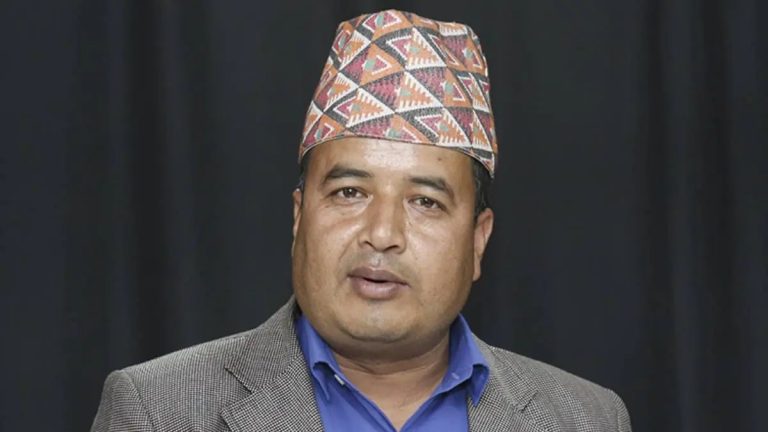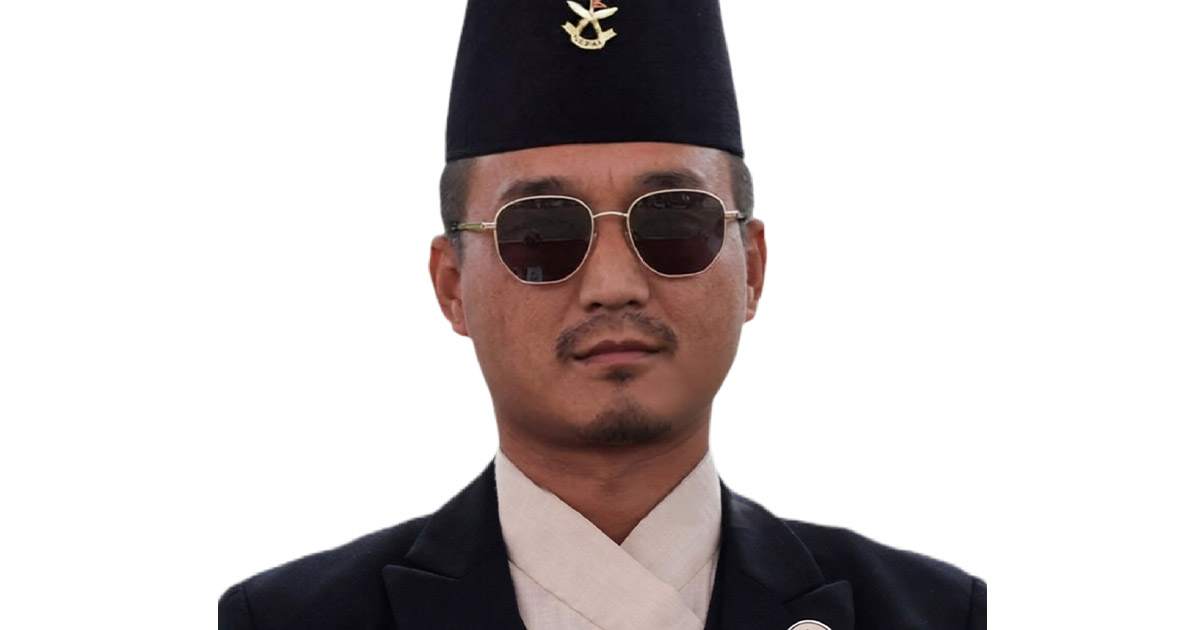
Sudan Gurung, Nepal’s Home Minister, has come under widespread criticism after questions were raised about the source of his wealth. In response, he published a detailed clarification through Facebook. However, the explanation he provided appears to contradict the asset declaration he had submitted just days earlier.
For background reporting:Full report on Sudan Gurung share controversy
Loan Claim Linked to Founder Shares
Gurung has acknowledged that he is a founder shareholder in companies linked to controversial middleman Dipak Bhatt. He stated that he had taken a loan in 2080 BS to purchase those shares.
Soon after his claim, a loan document surfaced publicly. The document, dated Shrawan 21, 2080, states that Gurung borrowed NPR 3.75 million from 68-year-old Bijay Kumar Shrestha of Kathmandu Metropolitan City Ward No. 1.
The loan was reportedly used to purchase 12,500 shares each in Liberty Micro Life Insurance and Star Micro Insurance through NMB Bank on Baisakh 26, 2080. The document appears to have been verified with the signature of Ward No. 5 Chairperson Birendra Prajapati.
However, the document does not specify key financial details such as loan duration, interest rate, or whether any collateral was pledged.
Loan Missing from Official Asset Declaration
Despite claiming that the shares were purchased through a loan, Gurung’s official asset declaration does not mention any such borrowing.
In the declaration submitted after becoming Home Minister:
- He attributes all share investments to business income, ancestral property, and investments
- The section for loans taken, repaid, or given has been left completely blank
This creates a direct contradiction between his official records and his recent public statement.
Claim About Market-Traded Shares Questioned
Gurung has also stated that he did not hide shares worth NPR 2.5 million and argued that different types of shares exist. He claimed that he had already declared more than NPR 20 million in share investments under market-traded securities.
However, this claim does not align with facts. Liberty Micro Life Insurance and Star Micro Insurance are not listed on NEPSE and have not issued IPOs. Therefore, these shares cannot be categorized as publicly traded securities.
Timing of Share Purchases Raises Further Concerns
Another question raised against Gurung relates to share purchases worth NPR 5.3 million made from the secondary market after the Gen Z movement and just days before he became Home Minister.
The issue is that:
- The loan he refers to dates back to 2080 BS
- The questioned share purchases took place in 2082 BS
No clear explanation has been provided for this mismatch in timeline.
Response Focuses on Investment, Not Source
In his statement, Gurung responded by saying that investing in shares is not a crime. However, the issue raised is not about investing itself but about the source of funds used for those investments.
He has stated that all transactions were conducted through banks and are therefore transparent. However, banking transactions only show the movement of money and do not confirm its original source unless formally verified.
Party Discussion and Political Pressure
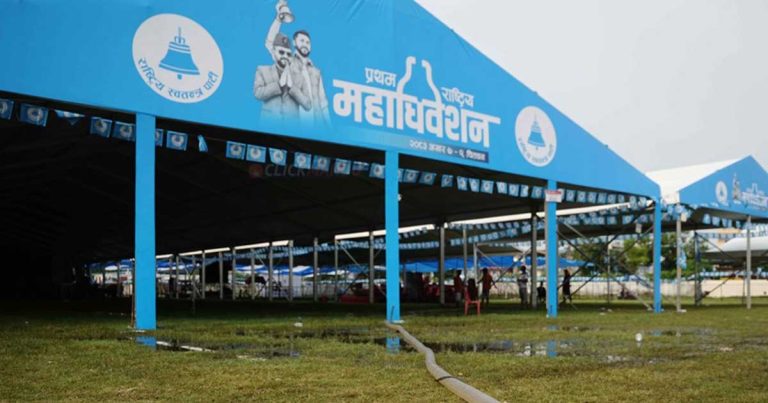
The Rastriya Swatantra Party is currently holding a meeting to discuss the controversy. According to available information, Gurung has already met party president Rabi Lamichhane and explained the matter, submitting relevant documents.
His Facebook clarification was posted after this meeting. The party’s disciplinary committee is expected to investigate and decide whether any action will be taken.
Meanwhile, opposition parties have openly demanded his resignation. However, such demands are common in political situations when questions are raised against a sitting minister.
Conclusion: Issue of Transparency and Accountability
The central issue is not whether Gurung should resign, but whether the questions raised about transparency, ethics, and accountability are properly addressed.
Gurung has stated that he is ready to face investigation and accept any decision taken by the party. However, the contradictions between his statements and official records remain unresolved.
A clearer and more detailed response, supported by evidence and provided through formal channels such as a press conference, may be necessary to address public concerns and restore credibility.