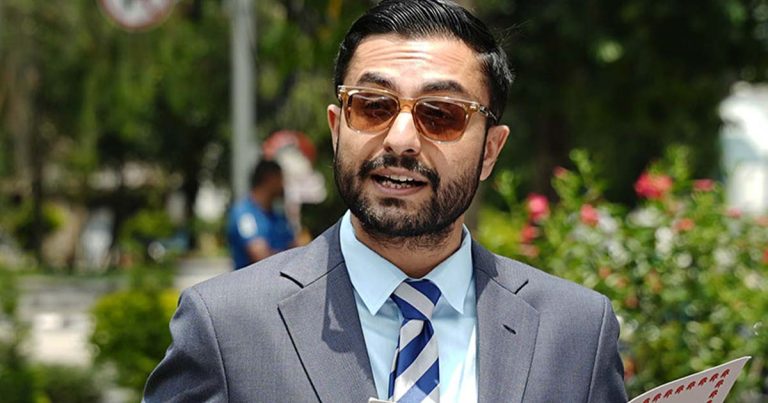
Nepal’s Home Minister Sudan Gurung is facing growing scrutiny after a series of media reports raised questions about his financial disclosures, undisclosed share investments, and alleged links to business networks currently under investigation for financial crimes.
The controversy comes at a time when Gurung himself has been leading a crackdown on individuals accused of money laundering and illegal financial activities. However, emerging details suggest that he may have had business associations with figures connected to the same network, intensifying public concern over potential conflicts of interest.
At the centre of the debate are claims that Gurung failed to disclose certain shareholdings in his official asset declaration after assuming office. Reports indicate that he held founder shares worth millions of rupees in microinsurance companies, some of which are allegedly linked to businessman Deepak Bhatt and corporate groups currently under investigation.
These revelations have not only triggered political debate but also raised broader questions about transparency, accountability, and the rapid growth of Gurung’s personal wealth over a relatively short period.
From Anti-Corruption Push to Personal Controversy
Following his appointment, Gurung initiated a series of high-profile arrests targeting alleged intermediaries and business figures. Several individuals linked to major corporate groups were detained under accusations related to money laundering.
However, the situation took a dramatic turn when reports suggested that Gurung himself had business ties with companies connected to those same individuals. This overlap has led to accusations of possible conflict of interest, although no formal charges have been filed against him.
Undisclosed Shares and Asset Declaration Concerns
A major issue in the controversy is the alleged omission of certain investments from Gurung’s official asset declaration. Media reports claim that he held founder shares worth approximately NPR 2.5 million in Star Micro Insurance Company, which were not disclosed after he became Home Minister.
Further reports suggest that he also invested in another microinsurance company linked to similar networks, raising concerns about transparency and compliance with disclosure requirements.
Timing of Investments Raises Questions
The timeline of Gurung’s financial activities has also come under scrutiny. Reports indicate that he purchased shares worth over NPR 5.3 million just days before assuming office.
Additionally, investments exceeding NPR 5 million were reportedly made in the months following a major political movement, prompting questions about the source of funds and whether proper procedures were followed.
Wealth Growth and Conflicting Narratives
The controversy has further intensified due to conflicting accounts regarding Gurung’s financial background. In earlier media interviews, his father described raising the family in poverty, suggesting that Gurung did not come from a wealthy background.
In contrast, Gurung has reportedly attributed some of his wealth to inherited assets, including gold passed down through generations. These differing narratives have fueled public curiosity about the origins of his assets.
Career History and Income Gap
Gurung, currently 38, is reported to have been actively involved in social work through a non-profit organisation following the 2015 earthquake. Given the nature of non-profit work, questions have emerged about how significant financial assets were accumulated within a relatively short timeframe.
Observers argue that this gap between his professional background and current wealth requires further clarification.
Company Links and Ongoing Investigations
The companies in which Gurung reportedly invested are said to have received licenses in recent years, allegedly under the influence of individuals now under investigation.
These firms are also linked to larger business groups whose executives are currently in police custody as part of ongoing money laundering probes, adding another layer of complexity to the case.
Silence and Growing Public Pressure
As of now, Sudan Gurung has not publicly responded to the allegations. His political party has also remained silent, further increasing speculation and public pressure for transparency.
Conclusion: Key Questions Remain
While the allegations have not been legally proven, the controversy has raised serious questions about transparency, accountability, and political ethics in Nepal.
The central question remains: Where did the money come from, and will a clear explanation be provided?