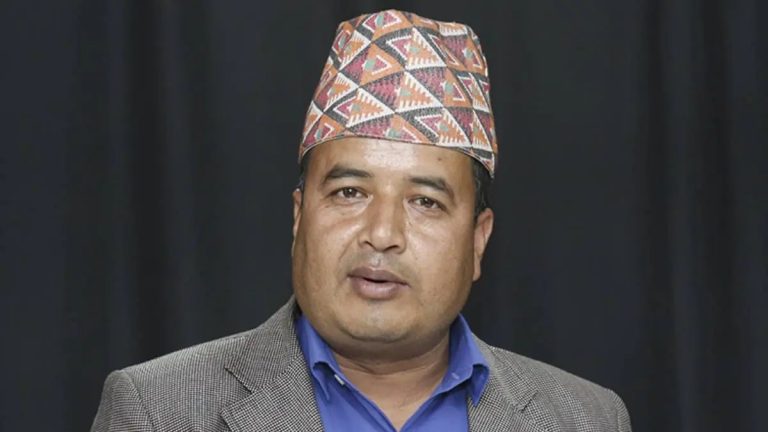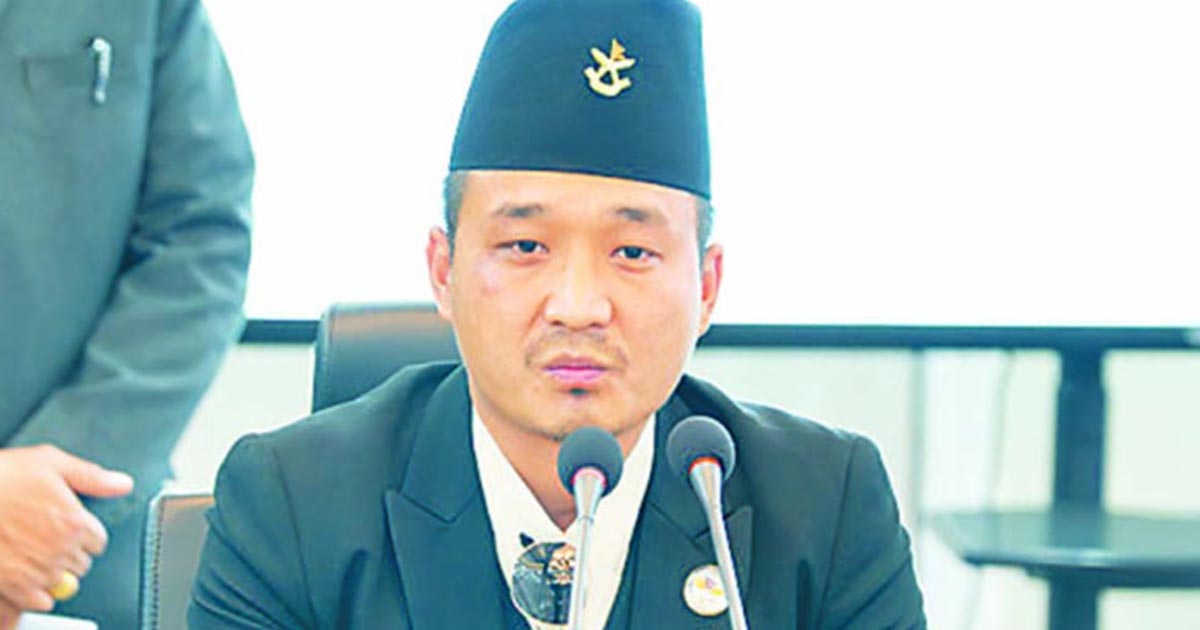
Nepal’s Home Minister Sudan Gurung has resigned following intense public scrutiny over alleged undisclosed shares, conflicting financial disclosures, and possible links to business networks under investigation. The controversy, which rapidly escalated across media and social platforms, raised serious questions about conflict of interest, transparency, and the source of his wealth.
Reports pointed to discrepancies between his official asset declaration and subsequent public statements, including claims about loan-funded investments that were not previously disclosed. As pressure mounted from citizens, opposition voices, and a growing youth-led demand for accountability, the issue evolved into a major political flashpoint—ultimately forcing Gurung to step down, citing ethics and public trust above power.
Full Resignation Statement
In a statement shared on Facebook today, Sudan Gurung said:
I, Sudan Gurung, have been serving honestly as the Home Minister since Chaitra 13, 2082 (B.S.). In recent days, I have taken seriously the questions, comments, and public concerns raised by citizens regarding my shares and related matters.
For me, ethics is greater than position, and there is no power bigger than public trust. The ongoing Gen Z movement demanding good governance, transparency, and accountability also carries the same message — public life must be clean, and leadership must be responsible.
Therefore, to ensure a fair investigation and to avoid any conflict of interest while in office, I have decided to resign from the post of Home Minister effective from today.
I have fulfilled my moral responsibility. If we truly want change, we must all stand for truth, honesty, and integrity.
For my country, for the respect of our security forces, and for the youths of Nepal.
Background: Share Controversy and Key Allegations
The resignation follows serious allegations regarding Gurung’s financial disclosures and business links. Reports claimed that he failed to disclose certain founder shares worth millions in microinsurance companies in his official asset declaration.
He was also linked to companies connected with individuals under investigation for financial crimes, raising concerns about a possible conflict of interest while holding office. Additionally, questions were raised about the rapid growth of his wealth and the timing of investments made just before assuming office.
Full investigation report: Sudan Gurung Share Controversy & Hidden Wealth
After Clarification: Questions Still Remained
Following the controversy, Gurung issued a public clarification stating that his share investments were funded through loans and legitimate income sources. However, his explanation triggered further questions instead of resolving concerns.
Key issues highlighted after his clarification include:
- Loan used to buy shares was not mentioned in his official asset declaration
- Claimed “market-traded shares” were actually not listed on NEPSE
- Timeline mismatch between loan (2080) and share purchases (2082)
- No clear explanation of source of funds
These contradictions raised doubts about transparency and accuracy in his disclosures, keeping public suspicion alive.
Full follow-up report: Questions Persist After Sudan Gurung Clarification
Why He Resigned
Facing mounting pressure, Gurung stated that remaining in office could affect the fairness of any investigation. He said his resignation was necessary to ensure:
- Independent investigation
- No misuse of authority
- Protection of public trust
Final Take
Sudan Gurung’s resignation reflects growing public demand for transparency and accountability in Nepal’s political system. While he has stepped down citing ethics, key questions about his financial disclosures and business links remain unanswered.