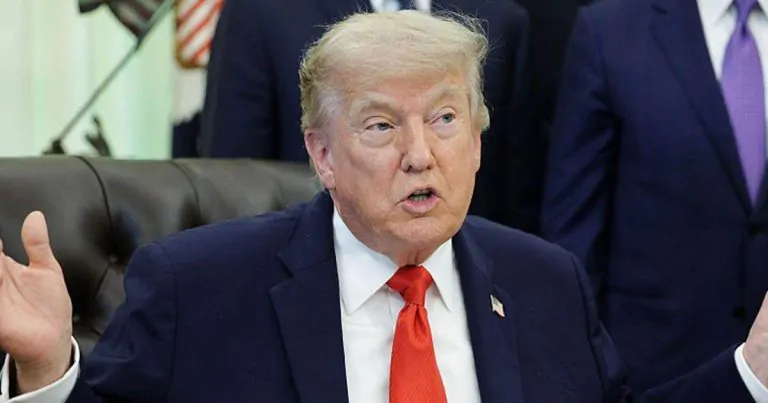
Trump Imposes Iran Blockade, Sparks Gulf Tensions and Global Shipping Risks
US naval blockade on Iranian ports escalates conflict after failed talks, raising fears of regional instability and trade disruption


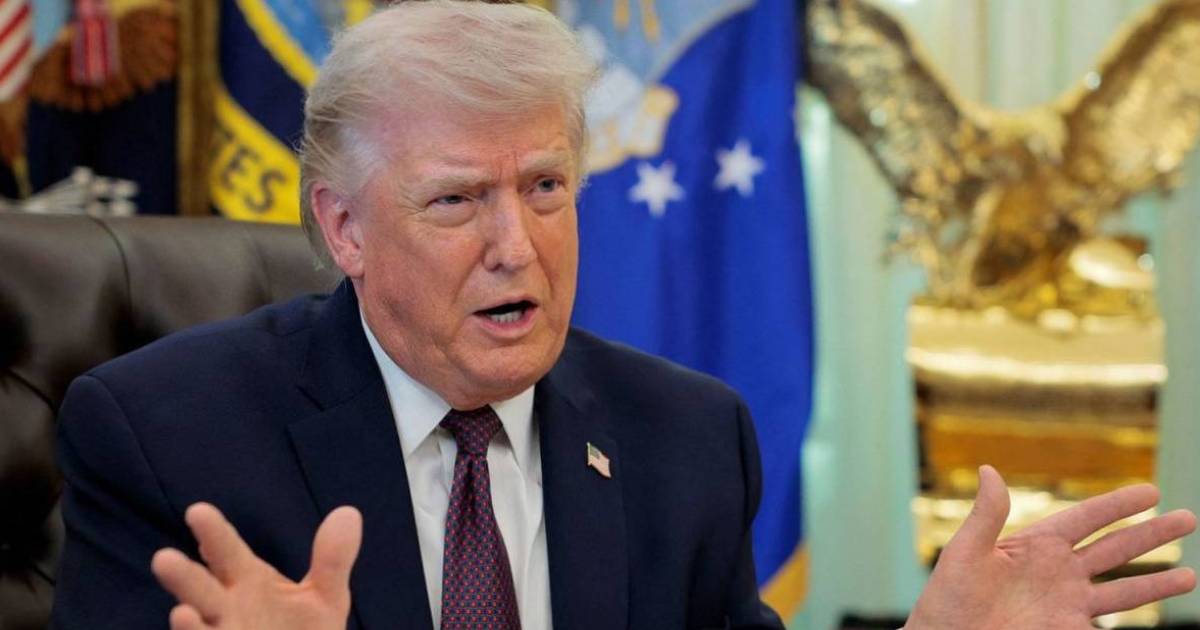
The United States has imposed a naval blockade on Iran, a move announced by Donald Trump that significantly escalates tensions in the Gulf and threatens global shipping routes. The decision follows failed negotiations between Washington and Tehran, raising fears of a broader regional conflict.
According to US officials cited by Reuters, American forces have begun enforcing restrictions on vessels entering and leaving Iranian ports, marking a sharp shift in strategy after diplomatic efforts collapsed.
Failed Talks Trigger Sharp Escalation
The blockade comes after high-level talks between the US and Iran in Pakistan ended without agreement. JD Vance, who led the American delegation, said Tehran rejected Washington’s proposals, particularly demands related to nuclear restrictions.
“Iran was not ready to accept our conditions,” Vance said, adding that the details of the proposal would not be made public. Iran, in turn, accused the US of presenting “unrealistic and excessive” demands, further deepening the diplomatic deadlock.
Strait of Hormuz Emerges as Flashpoint
Tensions have centered on the Strait of Hormuz, a critical global oil shipping route. Iran had already restricted access to the strait following earlier military clashes involving the US and Israel.
In response, Washington has now extended its blockade to ships traveling to and from Iranian ports via the strait. However, US authorities said vessels transiting to other countries would not be obstructed.
The move risks disrupting global energy supplies, as a significant portion of the world’s النفط exports pass through the narrow waterway.
Iran Warns of Retaliation
Iran has condemned the blockade as illegal and warned of strong retaliation. Officials in Tehran have threatened to target ports in Gulf countries if the US action continues.
Despite the escalating rhetoric, Trump claimed Iran had recently reached out seeking a deal. “They want an agreement, but we will not allow Iran to have nuclear weapons,” he told reporters at the White House.
Regional Stability Under Threat
The blockade follows a joint US-Israel strike on Iran earlier this year and a short-lived two-week ceasefire. With diplomacy now stalled, concerns are growing that the situation could spiral into a wider conflict involving multiple regional actors.
Shehbaz Sharif said efforts to mediate between the two sides are ongoing, but acknowledged that progress remains fragile. As tensions rise, analysts warn the blockade could have far-reaching consequences, not only for Middle Eastern stability but also for global trade and energy markets.


Written by Roshani Shrestha Pathak
Roshani Shrestha Pathak is the English Bureau Chief at Khoj Samachar, overseeing English-language editorial operations and newsroom coordination.

Germany: Six died in Stade Shooting
Neymar Gives $250K for Venezuela Earthquake Victims
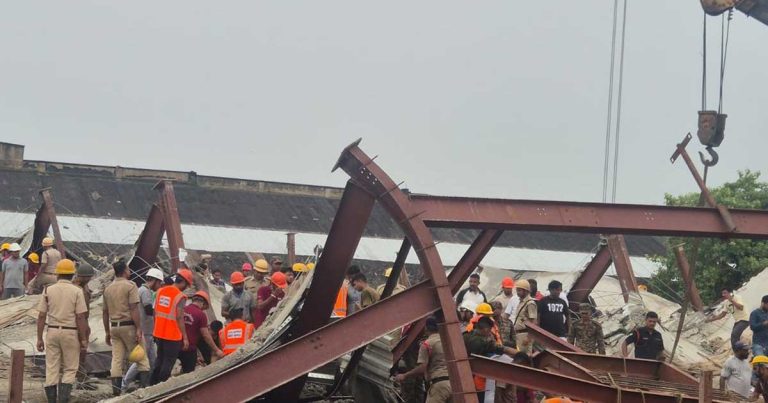
Kolkata Warehouse Collapse Update: 5 Dead, 2 Arrested

Colombia Beat Uzbekistan 3-1 in World Cup Opener
6.7-Magnitude Earthquake Shakes Indonesia’s Sulawesi

Saudi Arabia vs Uruguay Ends 1-1

Sweden Crush Tunisia 5-1 in Group F Opener