Nepali Congress Discipline Panel Move Sparks Internal Clash Over Membership Dispute
Rival factions led by Sher Bahadur Deuba and Purna Bahadur Khadka escalate tensions ahead of key meeting


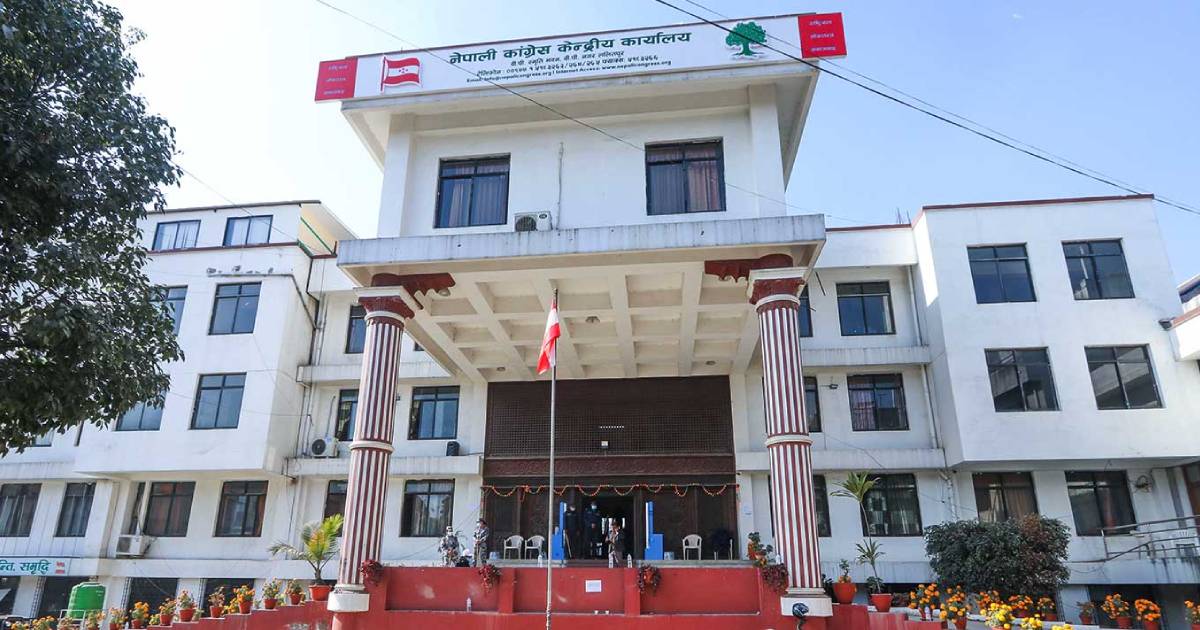
The Nepali Congress has called a central disciplinary committee meeting, triggering fresh internal tensions over its ongoing membership renewal campaign. The dispute matters as it exposes deepening factional divides within Nepal’s largest democratic party.
The meeting is scheduled for april 15, to be held at the party’s central office in Sanepa, according to secretary Dinesh Thapa Magar.
Membership Campaign Sparks Internal Dispute
The party is preparing to roll out a month-long campaign to update its active membership base, a crucial step ahead of future organizational decisions. However, the initiative has drawn strong opposition from the faction aligned with former party president Sher Bahadur Deuba.
Leaders close to Deuba argue that the membership process is being handled without adequate consensus, raising concerns over transparency and internal balance.
Khadka Statement Deepens Leadership Tensions
Senior leader Purna Bahadur Khadka further escalated the situation by issuing a statement in his capacity as acting president, asserting that no individual has the authority to revoke party membership.
His move has intensified friction within the party, with some leaders questioning both the timing and legitimacy of the statement.
Disciplinary Action Debate Gains Momentum
Prior to this development, discussions were already underway within the party about possible disciplinary action against Khadka. These reportedly included options ranging from seeking clarification to suspending his membership renewal.
Party officials had also advised Khadka not to issue statements in the capacity of acting president, signaling internal disagreement over leadership roles.
Growing Signs of Factional Divide
The unfolding dispute highlights a broader struggle within the Nepali Congress over authority, organizational control, and internal processes. Analysts say the outcome of the disciplinary committee meeting could shape the party’s direction in the coming months.
With membership renewal tied closely to future leadership contests and internal power structures, the current clash underscores rising stakes within Nepal’s political landscape.


Written by Pushpa Tamang
Pushpa Tamang is Managing Editor at Khoj Samachar, leading English and Nepali bureaus, newsroom operations, and editorial standards.
Nepal, Australia Hold Talks on Trade, Investment and Tourism
Nepal Signs Helicopter, Drone and Raft Rescue Agreements
Nagarik App Now Shows Blood Stocks Across Nepal
Sudan Gurung Meets Predatory Lending Victims in Bara
Hetauda Textile Industry Set to Reopen
Ghorahi Ward Member Arrested Over Engine Oil Attack
Rasuwagadhi Hydropower Stops Power Generation as Rivers Rise