Rajendra Bajgain Quits Nepali Congress, Slams Membership Policy and Leadership Crisis
Former lawmaker’s exit highlights deepening internal rifts and growing dissatisfaction within Nepal’s main opposition party


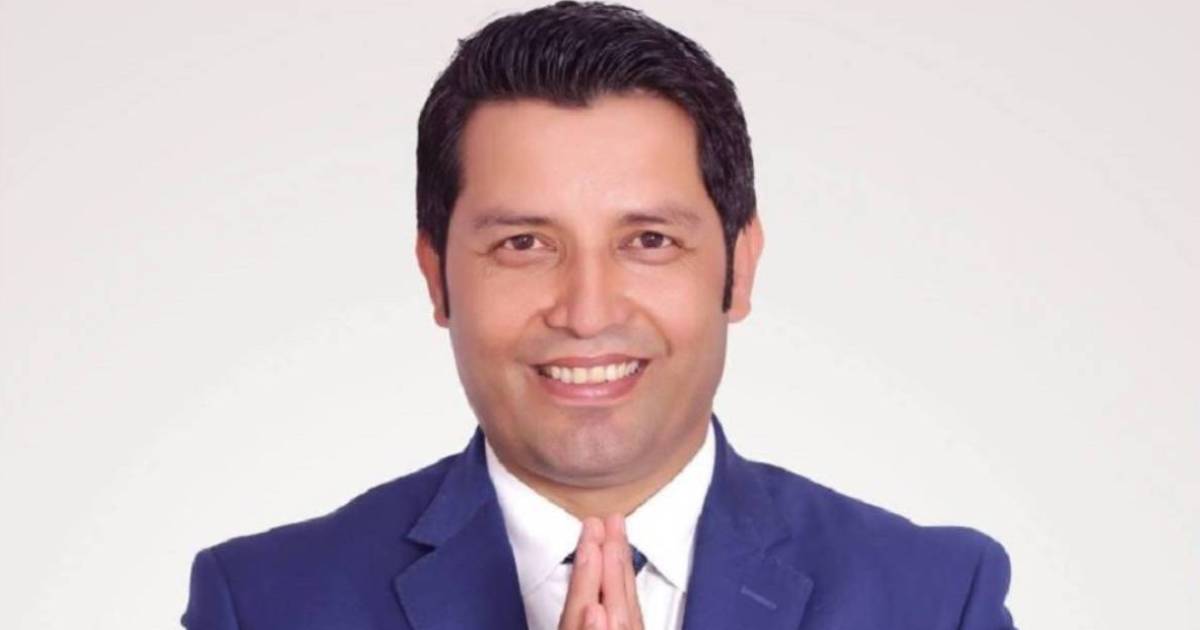
Former lawmaker Rajendra Bajgain has quit the Nepali Congress, publicly criticizing its leadership and membership policies, a move that underscores rising internal tensions within the party. Bajgain announced his departure via X on Sunday, saying he could no longer remain in a party he believes has lost its direction and values.
Leadership Criticism Sparks Exit
In a strongly worded statement, Bajgain expressed frustration with the party’s leadership, accusing it of drifting away from its foundational principles. He suggested that internal decision-making had become inconsistent and lacked ideological clarity.
“Ultimately, I could not stay in Congress,” he wrote, using metaphorical language to describe what he sees as confusion and misplaced priorities within the party. His remarks point to broader dissatisfaction among some leaders who feel sidelined or disillusioned with the current leadership structure.
Membership Policy Triggers Discontent
A key issue behind Bajgain’s resignation appears to be the party’s controversial membership policy, particularly the decision to reinstate certain memberships. He questioned the rationale behind re-enrolling previously removed members, calling the move unjustified and lacking clear purpose.
The criticism reflects ongoing disputes within the party over how membership is managed, with some leaders warning that such decisions could weaken internal cohesion.
Allegations of Internal Power Struggles
Bajgain also alleged that specific groups within the party are attempting to consolidate control through systematic strategies. He claimed that “special circles” are engaged in a phased effort to capture the party’s structure.
According to him, these efforts include both overt influence and covert mechanisms, such as data-driven approaches to membership that could enable internal manipulation. Such allegations highlight fears of factionalism and growing mistrust among party ranks.
Broader Concerns Over Party Direction
Beyond immediate grievances, Bajgain accused the party of losing its historical identity and progressive direction. He described the organization as being overwhelmed by individuals with “disturbed mindsets,” suggesting a deeper ideological crisis.
His departure adds to concerns about unity within the Nepali Congress, which has long been a central force in Nepal’s democratic politics. Political analysts say such high-profile exits could have implications for the party’s future, particularly as it navigates internal reform and prepares for upcoming political challenges.


Written by Roshani Shrestha Pathak
Roshani Shrestha Pathak is the English Bureau Chief at Khoj Samachar, overseeing English-language editorial operations and newsroom coordination.
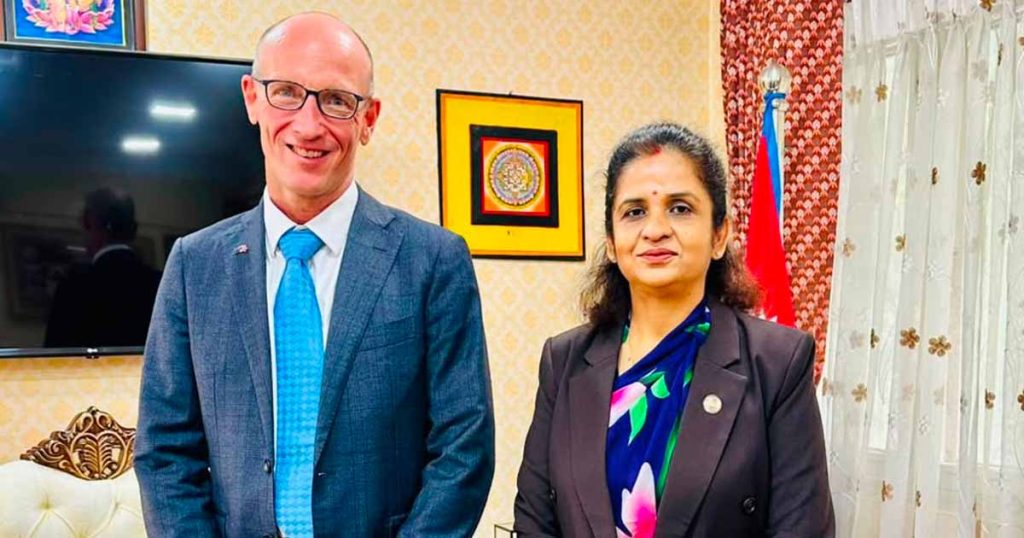
Nepal, Australia Hold Talks on Trade, Investment and Tourism
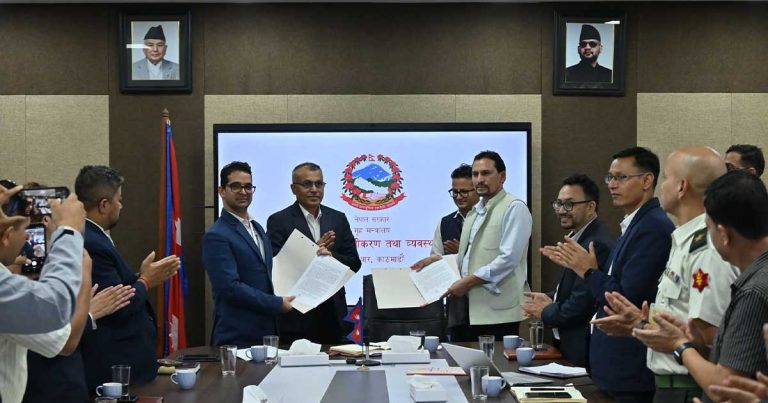
Nepal Signs Helicopter, Drone and Raft Rescue Agreements
Nagarik App Now Shows Blood Stocks Across Nepal
Sudan Gurung Meets Predatory Lending Victims in Bara
Hetauda Textile Industry Set to Reopen

Ghorahi Ward Member Arrested Over Engine Oil Attack
Rasuwagadhi Hydropower Stops Power Generation as Rivers Rise