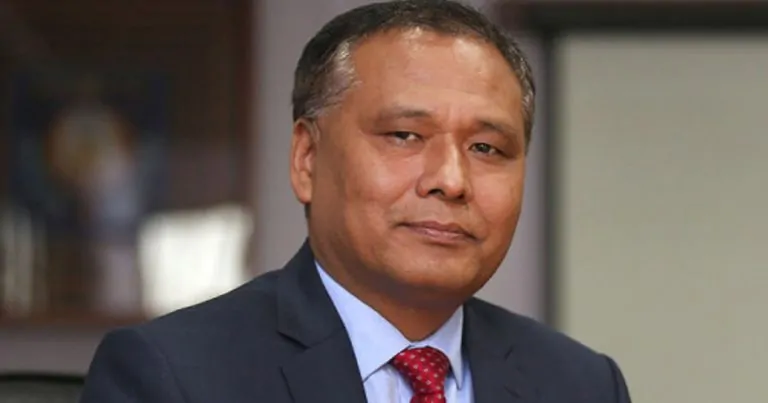
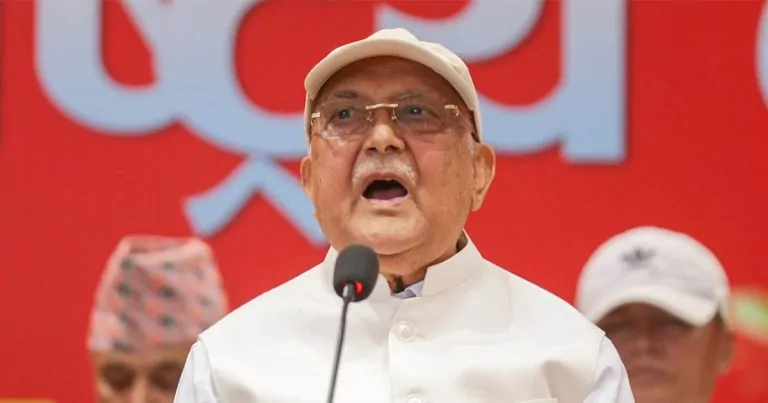
Shankar Pokhrel has signaled a strong comeback strategy for the Communist Party of Nepal (Unified Marxist–Leninist) following its recent election setback, vowing the party will re-emerge as a decisive national force. The move is significant as UML attempts to regain lost ground and rebuild public trust.
Pokhrel declared the Nepali year 2083 as a “year of revival and reorganization,” aiming to energize party members and reset its political direction.
UML Moves to Recover From Election Blow
Admitting the impact of the election results, Pokhrel said the setback had left many party workers discouraged. However, he framed the moment as an opportunity for renewal rather than decline. He reminded supporters that UML had faced similar doubts in 2064, only to stage a strong comeback in 2070, suggesting that history could repeat itself.
Grassroots Campaign to Rebuild Public Connection
Pokhrel acknowledged that UML’s increasing focus on power and central leadership had weakened its bond with the public. To address this, he announced a renewed “Mission Grassroots” campaign.
The initiative aims to reconnect with citizens through direct engagement, taking the party back to communities and addressing local concerns.
Turning Setback Into Momentum
In a message to party cadres, Pokhrel stressed the need to transform disappointment into determination. He said the struggles of 2082 would be overcome by the successes of 2083. His remarks highlight an effort to shift the party’s narrative from defeat to revival, a strategy often used during political rebuilding phases.
UML Targets Return as National Power
Pokhrel reaffirmed UML’s ambition to reestablish itself as a reliable force capable of delivering prosperity in Nepal. He positioned the party as central to achieving long-term national development goals.
As Nepal’s political landscape evolves, UML’s revival push could play a key role in shaping future electoral outcomes and alliances.