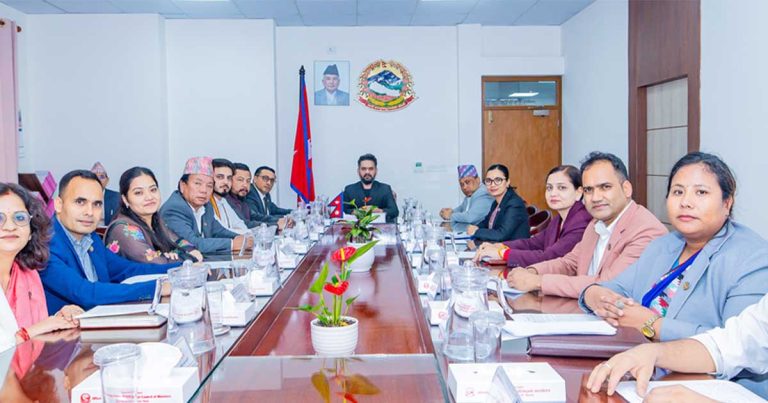
Supreme Court Orders Release of KP Sharma Oli and Ramesh Lekhak
Court blocks extended detention of KP Oli and Ramesh Lekhak, citing health issues, mourning, and legal inconsistency.


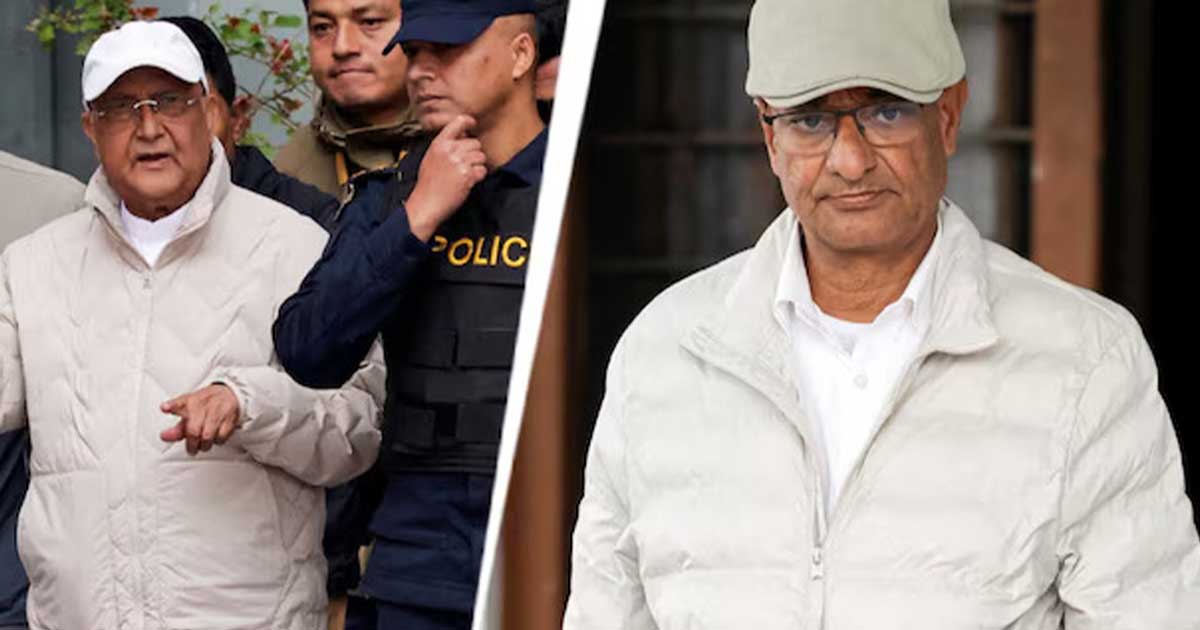
Nepal’s Supreme Court has ordered the release of KP Sharma Oli and Ramesh Lekhak, halting the government’s plan to keep them in prolonged custody after their recent arrests in a high-profile criminal case.
Supreme Court Stops Custody Extension
The Supreme Court issued a mandamus order directing authorities not to extend the detention of former Prime Minister KP Sharma Oli and former Home Minister Ramesh Lekhak, who were arrested on March 28, 2026, following recommendations from the Karki Commission.
Both leaders had challenged their detention through habeas corpus petitions filed by their families. While the court initially refused to grant immediate release, a joint bench of Justices Binod Sharma and Sunil Kumar Pokharel later ordered their release citing multiple legal and humanitarian grounds.
Four Reasons Behind the Court’s Decision
The court highlighted four key reasons. First, both Oli and Lekhak are currently in mourning. Oli recently lost his father, while Lekhak lost his mother, and the court found it inappropriate to keep them in custody during such a period.
Second, the court noted Oli’s health condition. Medical documents show that he requires continuous supervision from doctors, making detention unsuitable at this stage.
Third, the court raised concerns over unequal treatment. Former Kathmandu Chief District Officer Chhabi Rijal, arrested in the same case, was released on attendance conditions. The court questioned why Oli and Lekhak were treated differently.
Fourth, the court observed that statements from the accused have already been recorded and there is minimal risk of evidence tampering. Therefore, further investigation can proceed without keeping them in detention.
When Will They Be Released?
The Kathmandu District Court had earlier granted a five-day remand, which is set to expire at midnight on March 25. Following the Supreme Court’s order, both leaders are expected to be released by March 26, although authorities may release them earlier.
Why Was Chhabi Rijal Released Earlier?
The government’s earlier decision played a key role. The first cabinet meeting under the Balen-led administration decided to implement the Karki Commission report but required further study before taking action against security officials.
As the then Chief District Officer, Rijal was part of the security structure during the Bhadau 23 protest, which allowed him to be released on attendance conditions on the same day of his arrest.
This same reasoning was later used by the Supreme Court to justify equal treatment for Oli and Lekhak.
Case Not Over Yet
Despite the release order, the case remains active. Police can continue the investigation while both leaders remain outside custody.
The case will now proceed at Kathmandu District Court, which may decide whether to send them to judicial custody or release them on bail. Legal experts say the case could take more than a year for a district-level verdict, followed by appeals in higher courts.
Conclusion: The Supreme Court’s decision ensures immediate release for KP Sharma Oli and Ramesh Lekhak, but the legal battle is far from over, with a long judicial process still ahead.


Written by Roshan Shrestha
Roshan Shrestha is a Nepali investigative journalist and founder of Khoj Samachar, covering corruption, transparency, and public-interest issues.
What Did Gyanendra Shahi Say to His Trolls?
Sobita Gautam Leads Nepal’s 166-Bill Legal Reform Drive
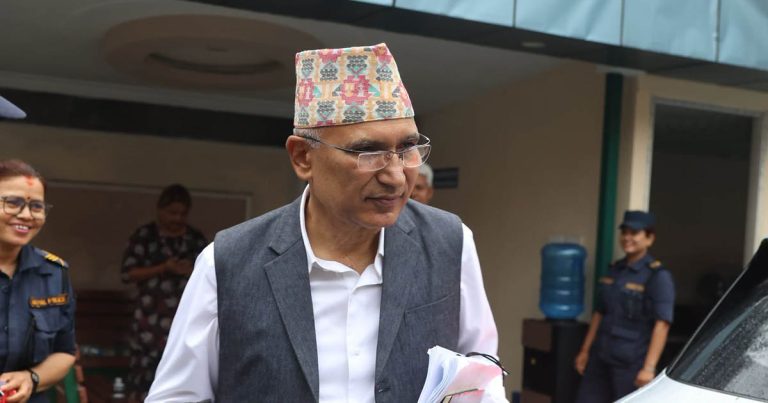
Bishnu Paudel Released Without Bail by Special Court
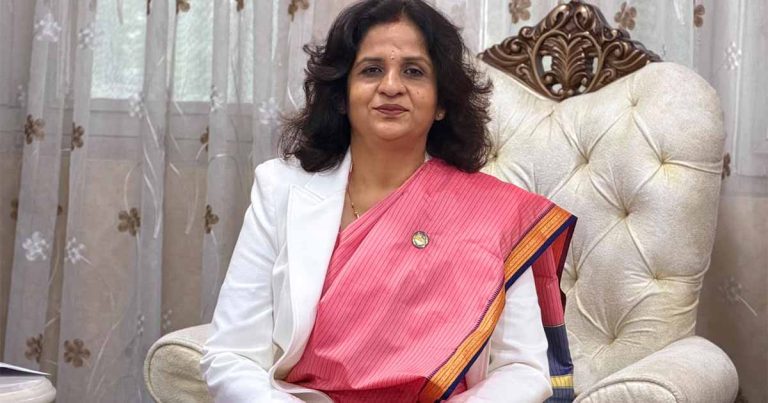
Industry Ministry Recovers Rs 467 Million in Unpaid Rent

Rekha Thapa Criticises Taxes, Says ‘Swarnim Nepal’
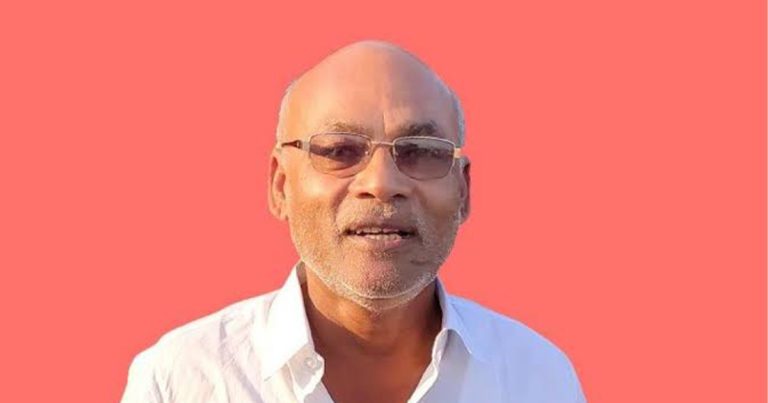
Supreme Court Orders Immediate Release of Former UML MP Koiri
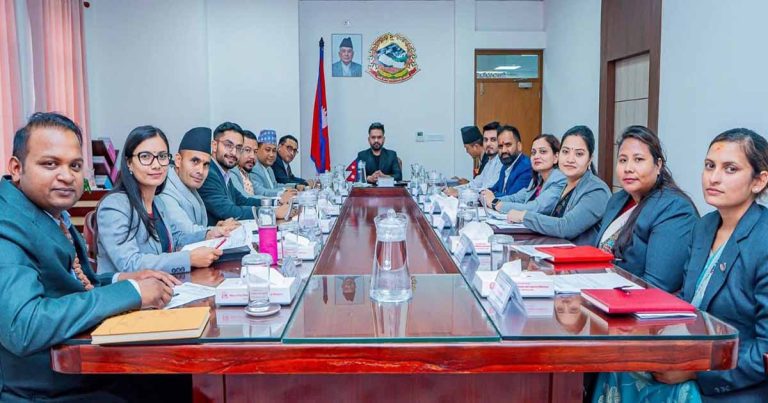
Government Restores Personal Secretary Facility for Lawmakers