US Seizes Second Oil Tanker Carrying Venezuelan Crude
The United States has intercepted another oil tanker carrying Venezuelan crude oil, marking the second such seizure amid heightened maritime surveillance and growing diplomatic tensions involving Venezuela and Iran.


The United States has seized another oil tanker carrying Venezuelan crude, according to multiple international media reports. The tanker, which was transporting Venezuelan oil toward Asia, was intercepted on Saturday while sailing from Venezuela’s coastal waters.
US maritime security forces, with support from the military, took control of the vessel while it was traveling through international waters. US Homeland Security Secretary Kristi Noem shared a video showing helicopters flying over the tanker and said the operation was completed before sunrise.
This marks the second time the United States has seized a tanker carrying Venezuelan oil. Earlier, on December 10, the United States took control of a large oil tanker named Skipper, which had been placed under sanctions due to its links with Iran.
Following the announcement of a policy by the Trump administration to block sanctioned oil tankers, the United States has intensified maritime surveillance operations. However, officials said the vessel stopped on Saturday was not under any US sanctions. Crew members aboard the tanker reportedly did not resist the US operation.
Following the seizure, Venezuela’s Foreign Minister Iván Gil described the action as an act of piracy. After the incident, Iran’s Foreign Minister Abbas Araghchi held talks with his Venezuelan counterpart.
Gil said via Telegram that he discussed emerging threats and risks in the Caribbean region with Araghchi, including the seizure of vessels carrying Venezuelan oil, and that Iran proposed a joint response.
The Trump administration has recently warned that sanctioned oil tankers will not be allowed to depart. Previously, the US military has deployed thousands of troops and warships in the Caribbean, conducting operations against boats accused of involvement in drug trafficking.
According to CNN, US operations have resulted in 104 deaths and the destruction of 29 boats. Venezuelan Vice President Delcy Rodríguez accused the United States of “stealing private vessels” and warned that Venezuela would raise the issue at the United Nations Security Council, other multilateral institutions, and with governments worldwide.


Written by Khoj Samachar Editorial Team | News Desk
Editorial team of Khoj Samachar responsible for publishing and managing news content, quality and timely coverage of national and global developments.
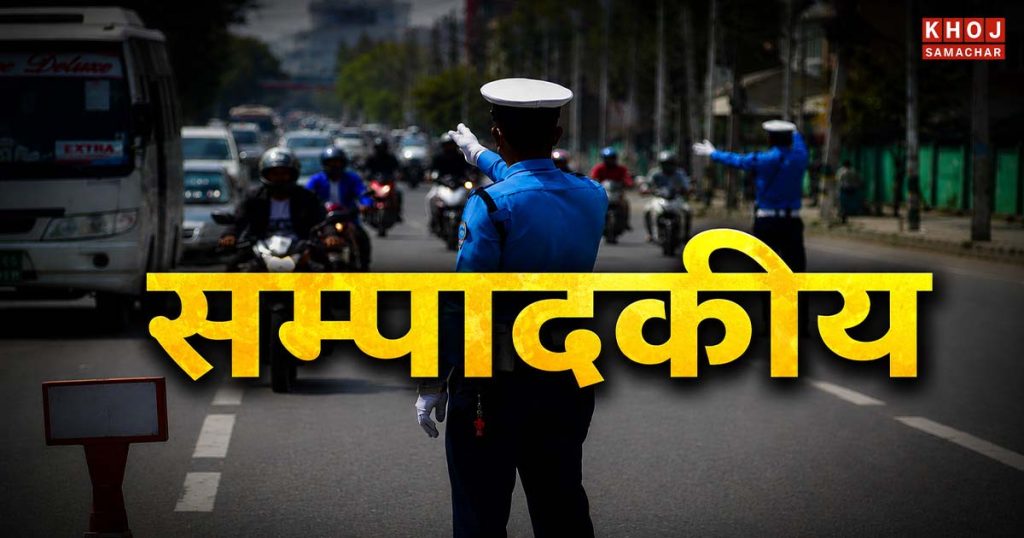
Why Nepal Needs an AI-Based Digital Traffic Management System
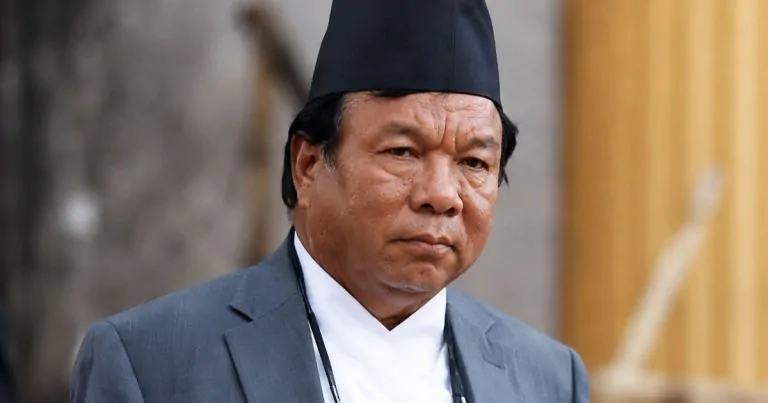
Mahabir Pun Appointed Minister of Science and Innovation in Nepal

Don’t Worship Leaders

What Nepal’s NHRC Gen Z Protest Report Reveals
Khoj Samachar Expands Multilingual Publishing With Hindi Edition
Climate Change Is Draining Oxygen From Rivers Worldwide
Summer Heat Is Rising, Follow These Simple Precautions