UML Questions Speaker Over Removed Parliament Remarks
Opposition lawmakers seek clarification after disputed comments by Ram Bahadur Thapa were removed from parliamentary records


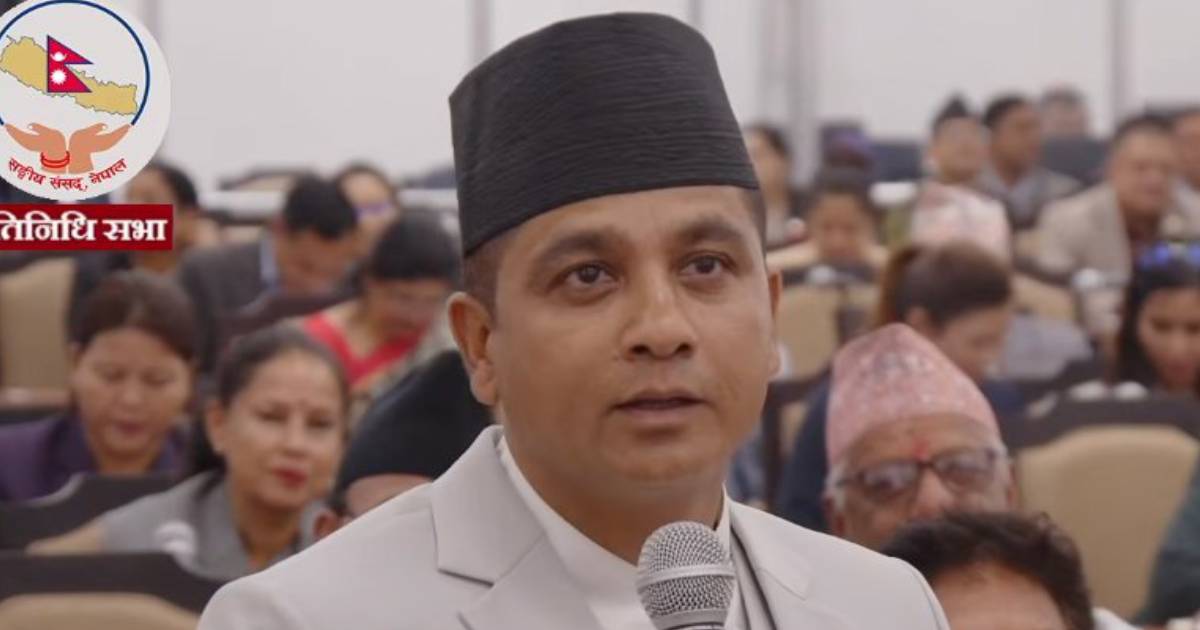
Kathmandu witnessed fresh debate inside the House of Representatives on Wednesday after the main opposition party questioned the decision to remove remarks made by one of its parliamentary leaders from the official record. The issue quickly drew attention across the chamber as lawmakers argued over what should be considered inappropriate language during parliamentary proceedings.
The dispute began after the Speaker directed Parliament Secretariat officials to strike several statements delivered by a senior opposition leader, describing them as disrespectful and inconsistent with parliamentary conduct. The decision prompted the opposition to seek clarification on exactly which words had violated parliamentary rules and why they were removed from the record.
The controversy added tension to an already heated parliamentary session, with lawmakers from different parties accusing each other of using language they claimed was unsuitable for the House. The debate also highlighted growing disagreements over the limits of political criticism and acceptable expression during discussions in Parliament.
Opposition Demands Clarification From Speaker
During Wednesday’s meeting of the House of Representatives, the chief whip of the opposition party formally asked Speaker Dol Prasad Aryal to clarify which remarks made by parliamentary party leader Ram Bahadur Thapa had been classified as unparliamentary.
Speaking in the chamber, the chief whip referred to provisions in the House regulations related to inappropriate language and questioned the basis for removing the remarks from the parliamentary record. He asked the Speaker to specify the exact words that were considered offensive or disrespectful.
The opposition leader argued that lawmakers should be informed clearly whenever statements are removed from official records. According to him, such decisions should be transparent and consistent with parliamentary procedures.
Remarks Removed From Official Parliamentary Record
The controversy emerged after Speaker Aryal instructed Parliament Secretariat officials to delete several comments made by Ram Bahadur Thapa during his address earlier in the session.
According to the Speaker, the expressions used by the leader were considered disrespectful and unsuitable for parliamentary proceedings. The Speaker later confirmed that phrases referring to “a crowd of anarchists,” “those who burn the country while wrapped in the national flag,” and remarks suggesting the Nepal Army was acting as a silent observer had been removed from the official record.
The ruling from the chair became a major point of debate inside the House, with opposition lawmakers insisting they deserved a detailed explanation for the decision.
Questions Raised Over Equal Standards in Parliament
The opposition also argued that similar scrutiny should be applied to statements made by lawmakers from other political parties. During the discussion, the chief whip claimed that remarks used by members of the ruling side should also face parliamentary review if they violated standards of conduct.
He specifically objected to comments allegedly directed at judges by a lawmaker from another party. According to the opposition, terms such as “supporters” and “followers” used in reference to members of the judiciary should also be removed from parliamentary records.
The issue widened the debate beyond a single speech and turned it into a broader discussion about fairness and consistency in parliamentary discipline.
Concerns Raised Over Comments Related to Judiciary
During the session, opposition lawmakers cited constitutional provisions that prevent discussion in Parliament regarding matters currently under judicial consideration and the performance of judges.
They argued that remarks targeting judges could violate those principles and damage the dignity of constitutional institutions. As a result, they called on the Speaker to take immediate action regarding statements they believed crossed parliamentary boundaries.
The lawmakers maintained that all parties should follow the same standards regardless of whether they belong to the government or the opposition.
- The opposition demanded equal treatment for all lawmakers.
- Questions were raised over comments directed at judges.
- Lawmakers sought clarification on parliamentary language rules.
- The Speaker defended the decision to remove disputed remarks.
Another Lawmaker’s Statement Also Challenged
The parliamentary dispute expanded further after the opposition objected to another statement delivered during the session. Lawmakers argued that the use of the word “genocide” by another member of Parliament should also be considered unsuitable for official parliamentary proceedings.
The opposition requested that the expression be removed from the official record in the same way the earlier remarks had been deleted. This demand added another layer to the growing disagreement over parliamentary language and acceptable political expression.
As the exchanges continued, the atmosphere inside the chamber became increasingly tense, with lawmakers interrupting each other while raising procedural objections.
Speaker Explains Decision During Heated Session
Following repeated questions from opposition members, Speaker Aryal addressed the House and clarified the exact statements that had been removed from the record.
He explained that the deleted remarks were considered both disrespectful and unparliamentary under the standards of the House. The Speaker maintained that preserving parliamentary dignity was essential and that the chair had authority to remove language viewed as inappropriate.
His explanation briefly calmed the debate, although opposition lawmakers continued to insist that clearer standards should be applied in future sessions.
The exchange over parliamentary language dominated much of Wednesday’s proceedings and reflected rising political tensions inside the House of Representatives.
Debate Highlights Growing Political Friction
The argument over parliamentary conduct showed the increasingly confrontational atmosphere in the national legislature. What began as a procedural matter over recorded remarks quickly turned into a wider political dispute involving multiple parties and lawmakers.
The debate also exposed differing interpretations of what qualifies as unparliamentary speech and how such rules should be enforced. While the Speaker defended the removal of specific remarks, opposition lawmakers argued that similar standards must apply equally to all sides of the House.
Wednesday’s session ultimately became a reflection of broader political friction inside Parliament, where disputes over language, procedure, and accountability continue to shape discussions during key legislative meetings.


Written by Roshan Shrestha
Roshan Shrestha is a Nepali investigative journalist and founder of Khoj Samachar, covering corruption, transparency, and public-interest issues.
Kirtipur Holding Centre Resident Arrested After Video Post

Nepal Celebrates Asar 15 with Dahi Chiura and Paddy Day
Nepal New Traffic Bill Proposes Fines of Rs 500 to Rs 1 Lakh
Why Is Nepal Emptying Holding Centres in Five Days?
Kathmandu Traffic Fines Top Rs 2.3 Million in a Day
The Story of Shree Krishna BK
NEB Publishes Grade 12 Results, 64.13 Percent Students Pass