
Thapathali Sukumbasi Eviction Crisis in Kathmandu Nepal
Eviction drive in Thapathali sparks tension as thousands of Sukumbasi face displacement and growing political unrest


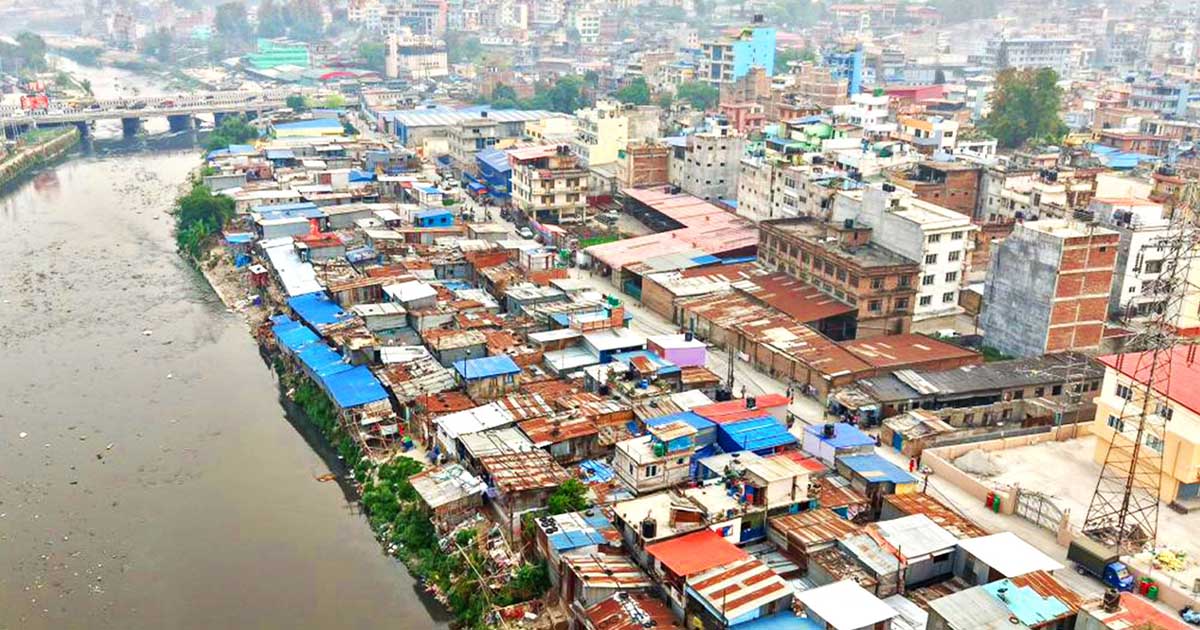
Nepal is once again heading toward a potentially explosive situation within the next 24 hours as authorities prepare to begin a large-scale eviction of Sukumbasi (landless settlers) settlements in Thapathali, Kathmandu, following an order issued by Prime Minister Balen Shah to clear the area from Saturday. The decision has raised fears that a large number of people could be injured, thousands may become homeless, and unrest could spread across the country.
There are also concerns that groups waiting to exploit instability may attempt to create further conflict, while political tension could rise even within ruling circles as the decision has been taken without wider consultation with parties or leadership.
The Scale of Sukumbasi Problem in Nepal
According to recent government data, around 160,000 to 170,000 families in Nepal are true Sukumbasi who do not own any land at all. In addition, around 600,000 to 900,000 families have houses but lack legal ownership documents and are classified as unmanaged settlers.
When combined, nearly one million families, representing around 4 to 5 million citizens, are affected by land-related issues in Nepal. This shows that the Sukumbasi issue is widespread across almost every district, making it a complex national problem that cannot be solved easily, although it is not impossible.
Eviction Order and Immediate Ground Situation
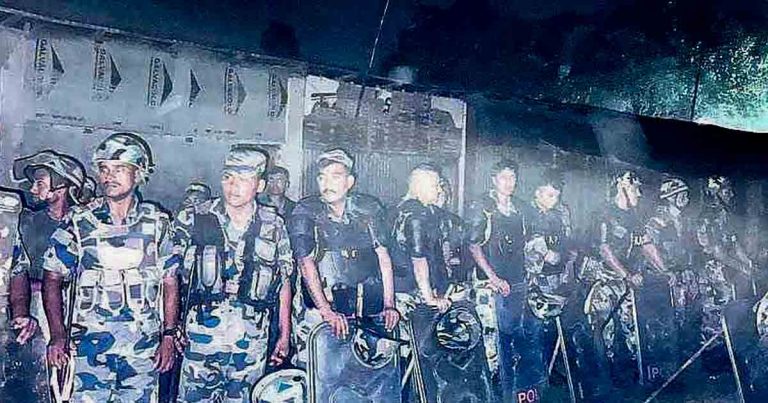
Following the order, public announcements were made in the Thapathali Sukumbasi settlement informing residents that bulldozers would begin operation from Saturday morning. Residents were asked to remove their belongings on time and to relocate vulnerable individuals such as pregnant women, sick people, elderly, and physically weak individuals to safer places.
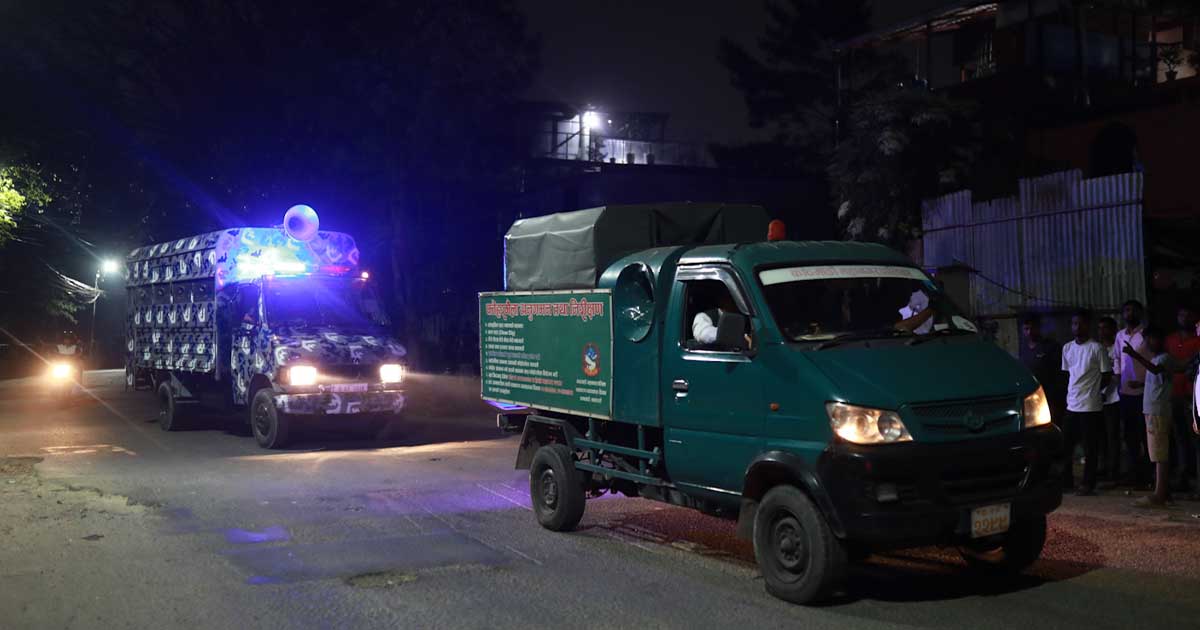
Night miking in Thapathali Sukumbasi area before eviction
After this announcement, Sukumbasi communities across the country have started to unite, while most political parties have stood against the decision. Several groups and local leaders have openly opposed the move, and even voices from within the same political sphere have raised concerns. On the ground, some families have already started moving their belongings, while others have taken a firm stance, saying they are ready to die but will not leave the settlement.
Not a New Issue: History of Eviction Since BS 2068–2070
This issue did not start recently. Around 2068–2070 BS (approximately 2011–2013 AD), during the tenure of former Prime Minister Baburam Bhattarai, the government initiated a campaign to remove Sukumbasi settlements as part of urban development projects, including road expansion and clearing riverbank areas.
During that time, more than 250 huts were demolished in Thapathali, leaving over 1,000 people displaced. The move faced strong criticism not only within Nepal but also from international human rights organizations. Following widespread criticism, within a week, then Prime Minister Baburam Bhattarai met with affected Sukumbasi families and provided immediate relief of NPR 15,000 per family, while also promising long-term rehabilitation.
Ichangu Narayan Housing Project: Investment and Failure
As part of the rehabilitation effort, the government initiated a housing project in Ichangu Narayan through the Department of Urban Development and Building Construction. More than eight ropani of land was acquired, and within around two years, housing was constructed at a cost of approximately NPR 230 million, capable of accommodating at least 227 families. However, Sukumbasi families refused to relocate there.
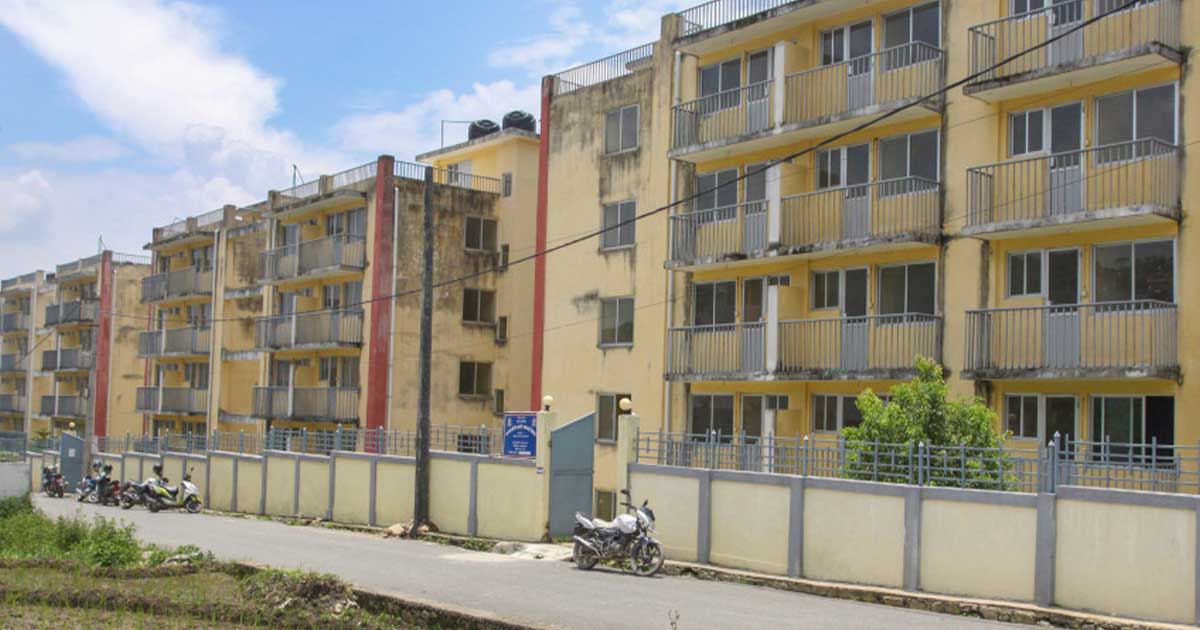
Housing built for Sukumbasi during former PM Baburam Bhattarai’s tenure
The main reasons included the distance from Kathmandu where their jobs and businesses were based, lack of drinking water facilities, absence of schools for children, and the government’s plan to provide housing on a rental basis instead of free ownership. After Baburam Bhattarai left office, the project was neglected, and today, even after more than 12 years, the building remains unused and in deteriorating condition.
Reality, Misconceptions, and Legal Framework
Not all residents currently living in Thapathali are real Sukumbasi. According to land commission data, many people living there already have land in their name but still do not want to leave due to the high value of the land in that area. At the same time, there are allegations of organized land encroachment networks operating under political protection, occupying public land in the name of Sukumbasi.
There is also a common misconception that Sukumbasi means extremely poor people, but legally it refers to individuals who do not have land ownership across generations, not their income or lifestyle. Nepal’s land laws clearly state that Sukumbasi living in unsafe or restricted areas such as riverbanks, roads, forests, or high-risk zones cannot be settled there and must be relocated to safer areas.
However, Sukumbasi living in safe areas can be provided land, with limits of around 130 square meters in urban areas and around 340 square meters in rural areas, while agricultural land provisions can go up to around 2000 square meters in Terai and around 3000 square meters in hilly regions. Despite multiple commissions formed over the years, implementation has remained weak, and the challenge now is to properly identify real Sukumbasi, ensure fair resettlement, and provide basic services such as housing, jobs, water, electricity, and education before carrying out eviction.


Written by Roshan Shrestha
Roshan Shrestha is a Nepali investigative journalist and founder of Khoj Samachar, covering corruption, transparency, and public-interest issues.
Health Worker Security Bill Feedback Ends Today
Home Minister Reviews Security After Sunsari Clash
One Arrested After Doctor Assault at Narayani Hospital
Nepal Plans IVF Rules to Strengthen Patient Safety
Heavy Monsoon Rain Raises Flood Risk Across Nepal
Young Doctors Demand Legal Limits on Hospital Duty Hours
Heavy Monsoon Rain Puts Nepal on Alert