License Distribution Begins in Nepal for Backlog from 2022–2025
Within just 27 days, the new government has shown visible progress through key reforms, faster services, and major policy decisions


Kathmandu — Nepal’s new government has begun showing early signs of action within just 27 days in office, rolling out a mix of long-awaited reforms and controversial decisions that have drawn both praise and criticism from the public.
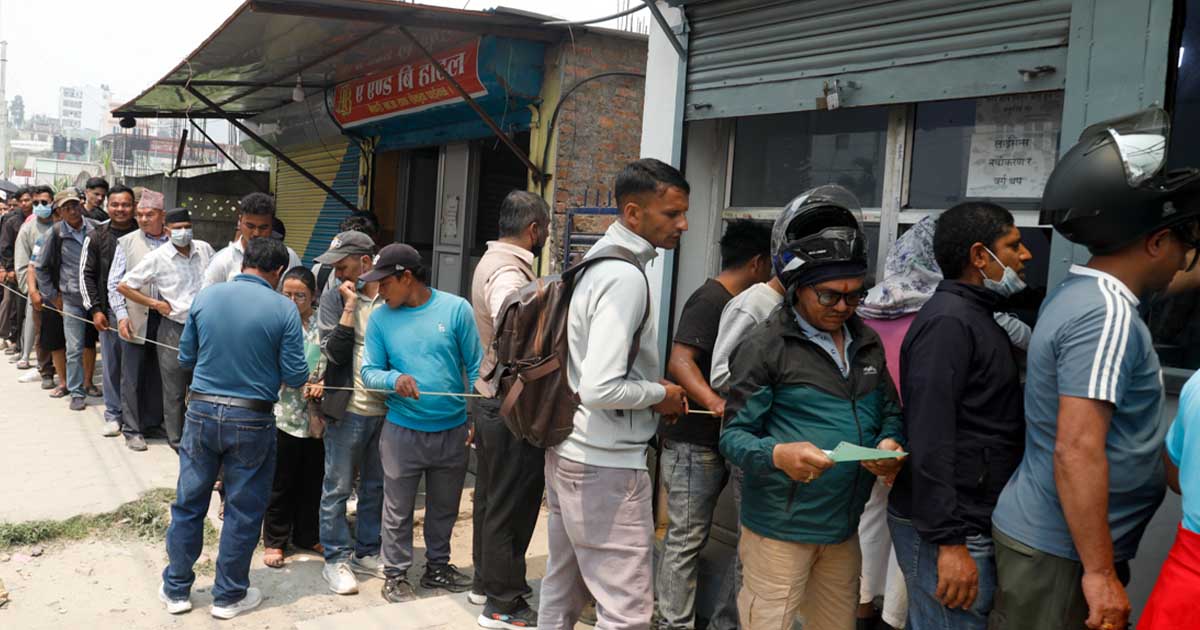
One of the most noticeable changes has been in the long-pending distribution of driving licenses. After years of delays, authorities have now started issuing licenses in bulk, particularly from the Bhaktapur Transport Office, where crowds of applicants can be seen collecting their long-awaited documents. For many, this marks the end of carrying temporary slips for years while waiting for the official license.
Officials say the government is working to clear all pending licenses issued between 2022 and 2025 by the end of Asar. More importantly, a new system is being prepared that aims to provide driving licenses within 24 hours of passing the trial and paying the required revenue, starting from Shrawan.
Faster Public Services and Digital Push
Alongside license distribution, the government has expanded passport delivery services via postal systems. After initial rollout in Makwanpur, the service has now reached Gulmi, allowing citizens to receive passports at home instead of waiting weeks and making repeated visits to government offices.
Public service delivery has also improved in several areas. From transport offices to land revenue (Malpot) offices, citizens are reporting smoother and more efficient services. The Ministry of Land Management’s effort to remove middlemen from Malpot offices has especially made a visible difference, making processes more transparent and accessible.
Ride-Sharing Rules and Rising Concerns
In another significant move, the government has introduced fixed fare rates for ride-sharing platforms such as Pathao and InDrive. Under the new rule, two-wheelers can charge up to Rs 25 per kilometer, while four-wheelers are capped at Rs 55 per kilometer. Previously, the lack of regulation allowed companies to set fares arbitrarily.
While some users feel the new rates are slightly expensive, officials argue that the pricing reflects the current fuel situation. With petrol and diesel prices nearly doubling due to supply issues, fare hikes are seen as unavoidable. Authorities have indicated that rates may be revised once the fuel supply stabilizes.
However, not all decisions have been well received. The government’s move to declare Sunday as a public holiday, citing fuel shortages, has sparked widespread criticism. Many argue that the decision has negatively affected patients seeking medical care and disrupted academic schedules for students. Several local governments have even refused to implement the directive.
At the same time, concerns over inflation and black marketing continue to rise. Prices of essential goods, including vegetables and food items, have surged sharply. For instance, bananas sold by farmers at around Rs 85 per dozen are reaching consumers at prices as high as Rs 350 in the market, highlighting issues in supply chains and market regulation.
Despite these mixed reactions, the government’s early performance is being compared favorably to previous administrations, which often spent their initial weeks in ceremonial activities. In contrast, the current government has initiated multiple reforms within a short time frame.
As Nepal moves forward, the coming weeks will be crucial in determining whether these early actions translate into long-term improvements or remain short-lived momentum.


Written by Roshan Shrestha
Roshan Shrestha is a Nepali investigative journalist and founder of Khoj Samachar, covering corruption, transparency, and public-interest issues.
Health Worker Security Bill Feedback Ends Today
Home Minister Reviews Security After Sunsari Clash
One Arrested After Doctor Assault at Narayani Hospital
Nepal Plans IVF Rules to Strengthen Patient Safety
Heavy Monsoon Rain Raises Flood Risk Across Nepal
Young Doctors Demand Legal Limits on Hospital Duty Hours
Heavy Monsoon Rain Puts Nepal on Alert