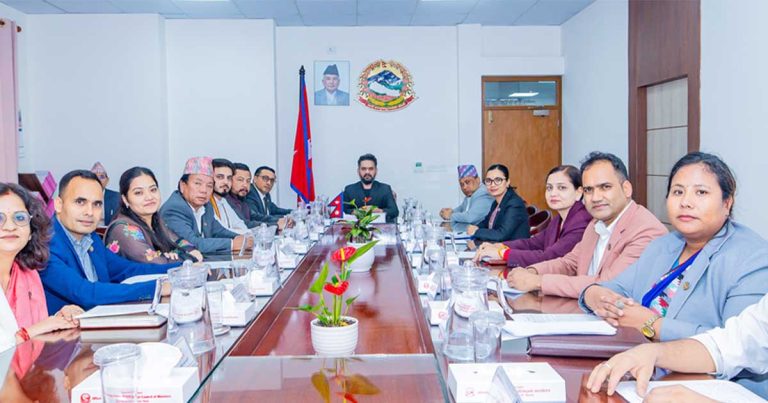
Why Are RSP’s Internal Disputes Reminding Supporters of Old Parties?
Clashes and organizational disputes in Parsa, Sunsari and Bara have raised uncomfortable questions about whether RSP can maintain the political culture it once promised.


For years, scenes of party workers fighting over positions, influence and organizational control were associated with Nepal’s established political parties. Those incidents often became a rallying point for supporters of alternative politics, who argued that a new political culture was possible.
Now, similar questions are being directed at the Rashtriya Swatantra Party (RSP).
Within days, disputes linked to district-level organizational processes in Parsa and Sunsari have drawn attention, while an earlier confrontation in Bara has added to concerns among supporters who viewed the party as a break from traditional political practices.
Clash Before Parsa Convention
Tensions surfaced in Parsa ahead of the district convention scheduled for Sunday.
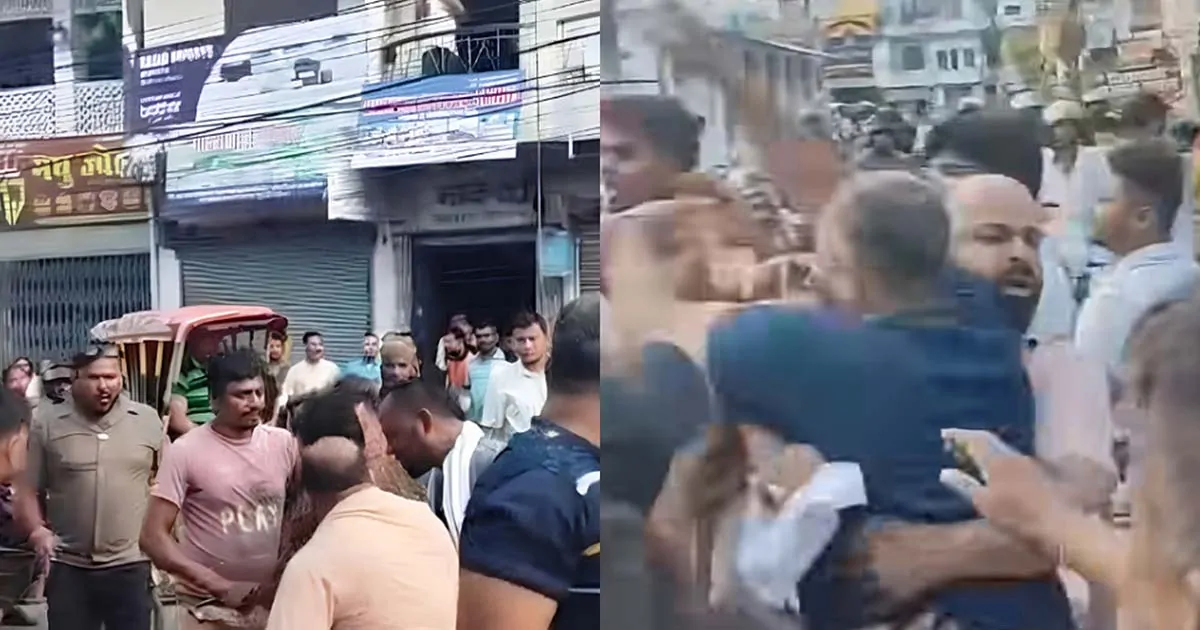
A dispute broke out on Saturday at Gateway Hotel near the District Administration Office in Birgunj-9 during the representative selection process for the convention. One group had demanded that the convention be postponed, arguing that the selection process was not satisfactory.
The disagreement escalated into a physical confrontation between party workers.
Mahadev Prasad Kurmi, Gautam Shrestha and another individual were injured in the incident.
What began inside the hotel later spilled onto the street. Witnesses described workers engaging in scuffles, with helmets also being used during the clash.
Representation Dispute in Sunsari
Before discussions around the Parsa incident had settled, a similar dispute emerged in Sunsari.
At the party’s first district convention held at Laukahi City Hall, dissatisfaction grew over representation issues. Some young members staged a sit-in protest after claiming they had been removed from the list of representatives.
The situation worsened when efforts were made to continue the election process by removing those participating in the protest.
The episode exposed another layer of internal dissatisfaction within the party’s local structure.
Earlier Tension in Bara
A few weeks earlier, tensions had already surfaced in Bara district.
In Kalaiya, disagreements between supporters of a former district chairperson and activists close to an elected RSP lawmaker nearly turned into a physical confrontation.
As the situation became increasingly tense, police escorted four lawmakers away from the area for security reasons.
Why the Incidents Are Drawing Attention
The immediate political impact of these incidents may be limited, but they carry symbolic weight.
RSP rose rapidly on promises of alternative politics, attracting voters frustrated with the Congress, UML and Maoist parties. Its support base was built not only on electoral appeal but also on the belief that it could avoid many of the organizational habits that weakened older parties.
That is why many supporters appear more unsettled by these incidents than political rivals, who have been quick to point out the similarities.
The concern is less about a single clash and more about whether internal competition for positions and influence is beginning to shape the party in the same way it has shaped others before it.
A New Party, Familiar Political Habits?
There is another reality that many within Nepal’s political landscape acknowledge.
While RSP is a relatively new political party, many of the people active within it are not newcomers to politics. A significant number previously spent years in established parties before joining the new force.
As organizational contests become more competitive, allegations of factionalism, power struggles and position-driven politics have also become more visible.
Among some supporters, there is a growing perception that the challenge facing the party is not its age but whether it can build institutions stronger than the personal ambitions that often dominate Nepali political organizations.
A Test for the Leadership
Many of the problems that now trouble Nepal’s major political parties did not emerge overnight. They developed gradually through unresolved internal rivalries, weak organizational discipline and competing power centers.
For RSP, the recent incidents serve as an early warning.
Whether these disputes remain isolated events or become part of a larger pattern may depend on how effectively the leadership responds. The party’s supporters, too, face a choice between defending every action uncritically and demanding accountability when internal practices fall short of the standards that helped bring the party to prominence in the first place.

Written by Pushpa Tamang
Pushpa Tamang is Managing Editor at Khoj Samachar, leading English and Nepali bureaus, newsroom operations, and editorial standards.
What Did Gyanendra Shahi Say to His Trolls?
Sobita Gautam Leads Nepal’s 166-Bill Legal Reform Drive
Bishnu Paudel Released Without Bail by Special Court
Industry Ministry Recovers Rs 467 Million in Unpaid Rent

Rekha Thapa Criticises Taxes, Says ‘Swarnim Nepal’
Supreme Court Orders Immediate Release of Former UML MP Koiri
Government Restores Personal Secretary Facility for Lawmakers