Rasuwagadhi Hydropower Stops Power Generation as Rivers Rise
Rising water in Lhende Khola also puts the customs yard and Mailung road at risk as authorities urge caution.


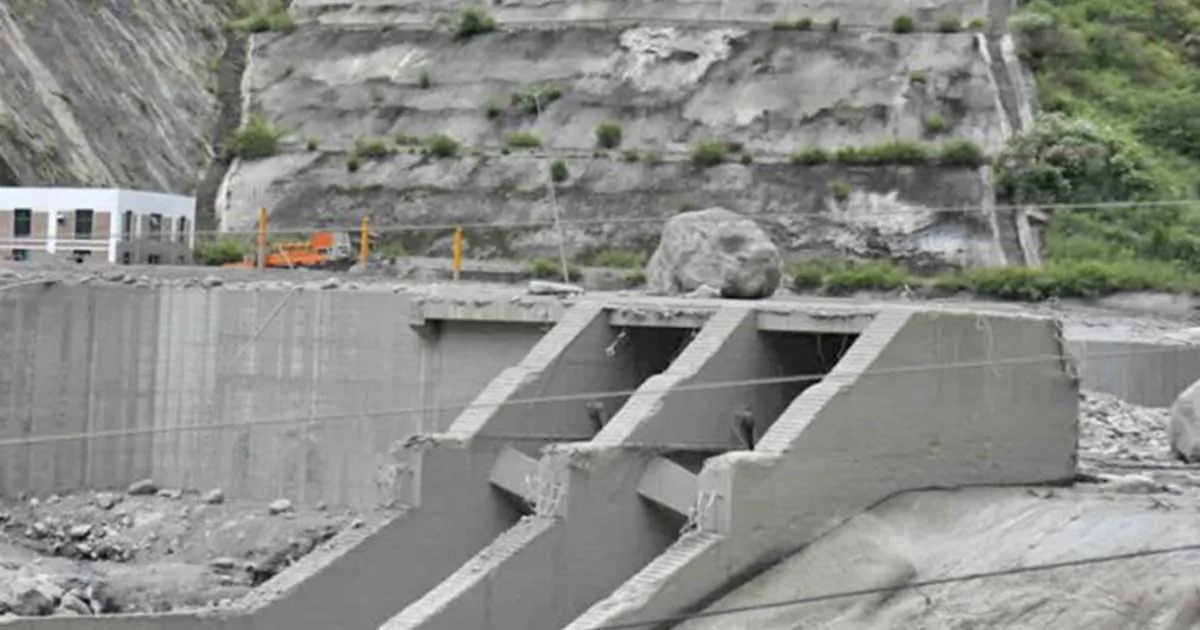
The 111-megawatt Rasuwagadhi Hydropower Project has temporarily stopped electricity generation after continuous rainfall raised the water level in Lhende Khola and brought mud-laden floodwater towards the project area.
The project closed the gate sending water into its tunnel on Sunday evening. The move was taken before the river could again damage structures that were only recently repaired after last year’s destructive flood.
The shutdown is not being treated as a routine interruption. A hydropower plant, the Rasuwagadhi customs yard and the road used by vehicles travelling towards Kerung are all facing pressure from the same rising river system. For authorities in Rasuwa, the immediate concern is no longer electricity production alone, but protecting infrastructure and keeping people and vehicles away from exposed areas.
Santosh Adhikari, chief of the Rasuwagadhi Hydropower Centre, said generation was stopped as a precaution after changes were observed in the flow of Lhende Khola.
Production will resume only after the water level and river conditions are found to be normal and safe, he said.
Technical team keeps watch on river flow
The project’s technical team is continuously monitoring Lhende Khola.
Satyaram Jyakhwa, executive director of Rasuwagadhi Hydropower, said preparations were in place to restart generation once the level of risk had fallen and the project could operate safely.
The caution follows the damage caused by a flood in the same river on Asar 24 last year. The flood severely damaged the project’s dam and several other structures.
The plant remained out of operation while repair and reconstruction work continued. It was brought back into service only after the damaged structures had been restored.
This time, the project stopped generation as soon as the river flow began rising. Officials said the decision was taken to prevent a repeat of last year’s losses rather than wait for the water to reach a dangerous stage.
Vehicles moved from Rasuwagadhi customs yard
Rising water in Lhende Khola has also increased the flow of the Bhotekoshi River.
Cargo vehicles and newly imported vehicles parked at the Rasuwagadhi customs yard have been moved to safer ground after concerns that floodwater could enter from the northern side of the yard.
Security personnel said that section remains vulnerable.
Drivers have asked the Nepal Intermodal Transport Development Board to strengthen protection around the customs yard and build an effective embankment along the river.
Kami Chhiring Tamang, ward chair of Gosaikunda Rural Municipality-2, urged local residents and drivers not to approach Lhende Khola or the Bhotekoshi River. He also asked them not to park vehicles along the riverbank.
Mailung road unsafe, old route advised
A light flood on Sunday evening put the Mailung road section at risk.
Assistant Chief District Officer of Rasuwa Dhruva Prasad Adhikari said no significant damage had been reported from other areas apart from Mailung.
The District Administration Office has asked vehicles travelling towards Kerung not to use the Mailung route because the road condition is not considered safe.
Drivers have instead been advised to take the older route through Betravati, Kalikasthan, Dhunche and Syafrubesi before reaching Rasuwagadhi.
Chief District Officer Narendra Pariyar said rainfall was continuing to increase water flow in rivers, streams and smaller channels. He urged the public to remain away from vulnerable areas and exercise particular caution while travelling.
The administration has asked people to immediately report floods, landslides or other disaster-related emergencies by calling the toll-free emergency number 1234.

Written by Roshan Shrestha
Roshan Shrestha is a Nepali investigative journalist and founder of Khoj Samachar, covering corruption, transparency, and public-interest issues.
Five Year Old Boy Dies in Dhorpatan Wall Collapse
Ekmaya Nepali Receives Citizenship After Ganesh’s Death

What Did Ganesh Nepali’s Family Agree With Government?
Home Minister Leads Team to Kharipati Holding Centre

Ganesh Nepali Dies During Treatment at Bir Hospital
What Kulman Ghising Said After the Ganesh Nepali Incident
Unpaid Traffic Fines to Block Transport Services