Nepal Sees Sharp Price Rise Within One Month, Daily Life Becomes Harder
A sharp rise in food, fuel and daily essentials within one month is pushing low-income families in Nepal to the edge.


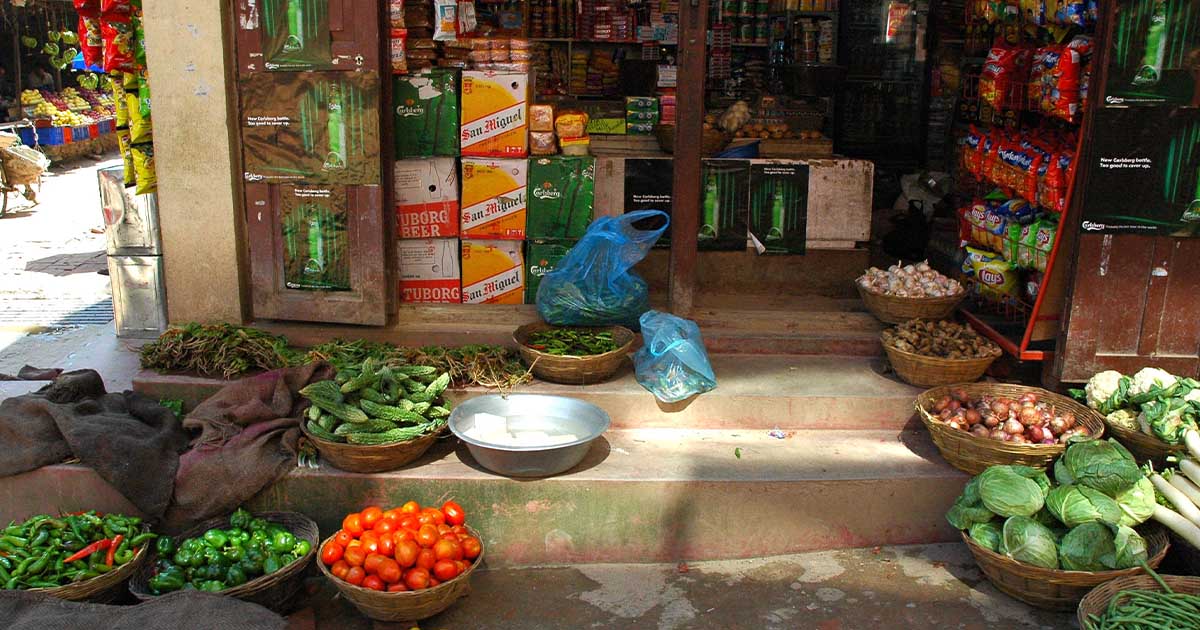
Prices in Nepal have increased sharply within just one month, making daily life difficult for ordinary people. Workers earning around NPR 1,200–1,500 a day say they now struggle to afford even two basic meals.
From cooking oil and drinking water to vegetables and rice, almost everything has become more expensive. Overall prices are estimated to have risen by more than 40 percent in a short period.
Daily Life Is Getting Harder
Low-income families, riders, and daily wage workers are under pressure. Income has not increased, but expenses have gone up quickly. One example shows the problem clearly. Bananas are sold in the market for about NPR 350 per dozen, but farmers receive only around NPR 85. The large gap raises concerns about middlemen and market control.
What Became Expensive in 1 Month
- Lemon: NPR 250 → NPR 355
- Carrot: NPR 40 → NPR 55
- Cabbage: NPR 25 → NPR 45
- Cauliflower: NPR 30 → NPR 50
- Radish: NPR 17 → NPR 30
- Pumpkin: NPR 14 → NPR 30
- Bitter gourd: NPR 25 → NPR 50
- Green onion: NPR 51 → NPR 80
- Broccoli: NPR 32 → NPR 56
- Sona Masuli Rice: NPR 85 → NPR 95
- Steam Jeera Rice: NPR 85 → NPR 102
- Basmati Rice: NPR 170 → NPR 185
- Chiura: NPR 130 → NPR 170
- Lentils: NPR 155 → NPR 165
- Rajma: NPR 250 → NPR 310
- Ginger: NPR 130 → NPR 180
- Chicken: NPR 390 → NPR 430
Fuel Prices Also Increased
- Petrol: +NPR 62 per litre
- Diesel/Kerosene: +NPR 95 per litre
- Cooking Gas: +NPR 100 per cylinder
- Aviation Fuel: +NPR 135
Why Is This Happening?
Rising fuel prices linked to global tensions are often given as the reason. But many farmers say they still sell at old prices, while market prices keep increasing.
This has raised concerns about black marketing and weak market control.
What People Are Saying
A rider in Kathmandu says rising fuel costs have made his work unsustainable. Despite working all day, he struggles to support his family. Switching to an electric vehicle is too expensive for him. Many others share similar experiences.
What Needs to Be Done
People are asking for quick government action. Controlling black marketing, reducing fuel taxes, and providing relief could help. For most citizens, the need is simple — to afford food and live with basic dignity.
Sources
Vegetables: Kalimati Fruit and Vegetable Market Development Committee
Food items: Department of Commerce, Supplies and Consumer Protection


Written by Roshan Shrestha
Roshan Shrestha is a Nepali investigative journalist and founder of Khoj Samachar, covering corruption, transparency, and public-interest issues.
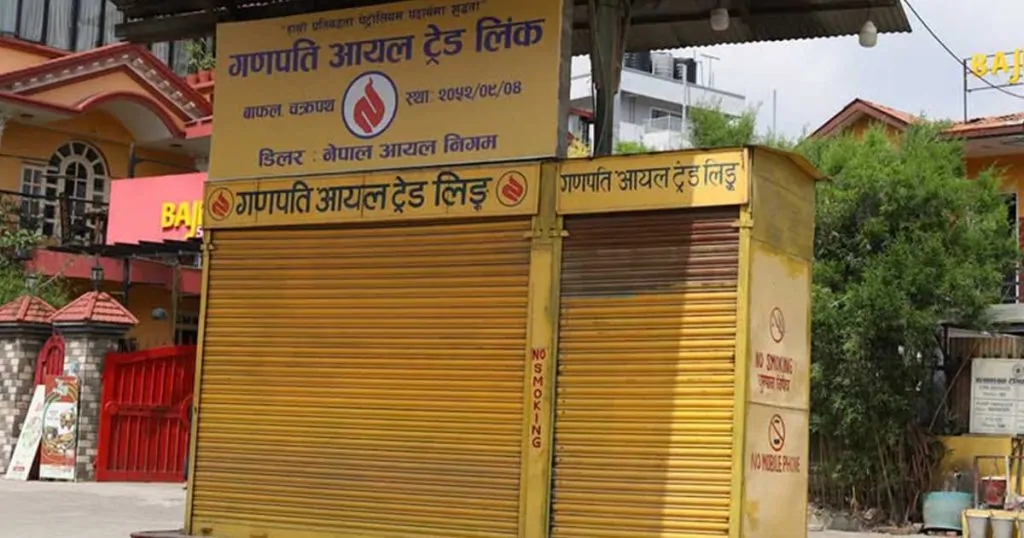
Nepal to Fine Fuel Pumps Up to NPR 1 Million for Shutting Down
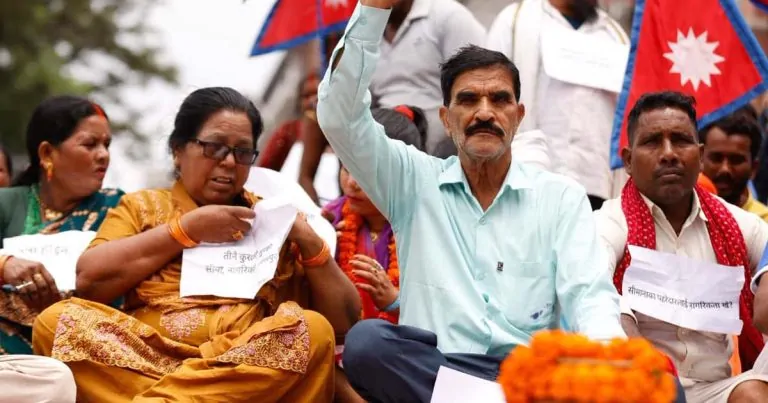
Why Susta Residents Have Come to Kathmandu?
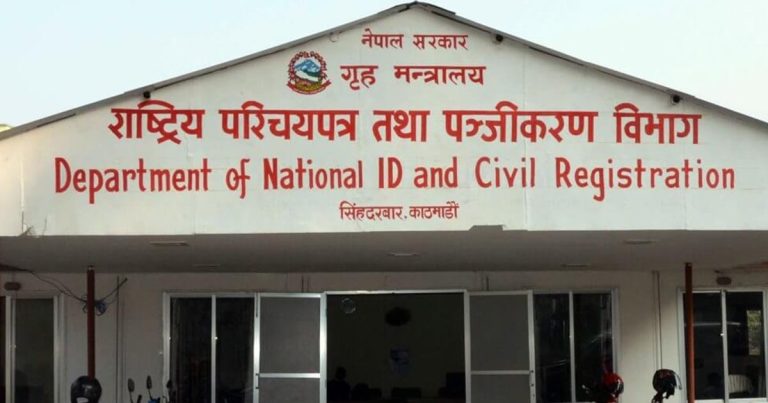
Nepal Government to Print National ID Cards Itself
Everything You Need to Know About the 2026/27 National Budget
Singha Durbar Toilets Remain in Poor Condition
Manoj Kumar Sharma Set to Become Nepal’s Chief Justice

Koshi Police Honors Inspector Sagar Sah for Innovative Policing