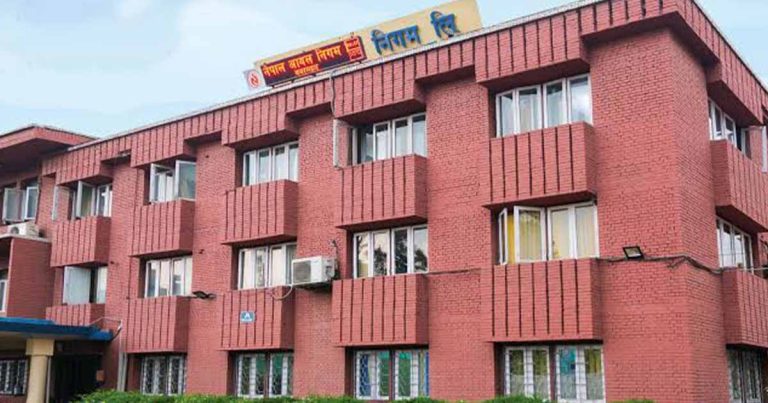
Nepal Petrol, Diesel Prices Highest in South Asia
Nepal’s fuel prices have surged far beyond India’s, raising concerns over policy, taxes, and the growing burden on citizens.


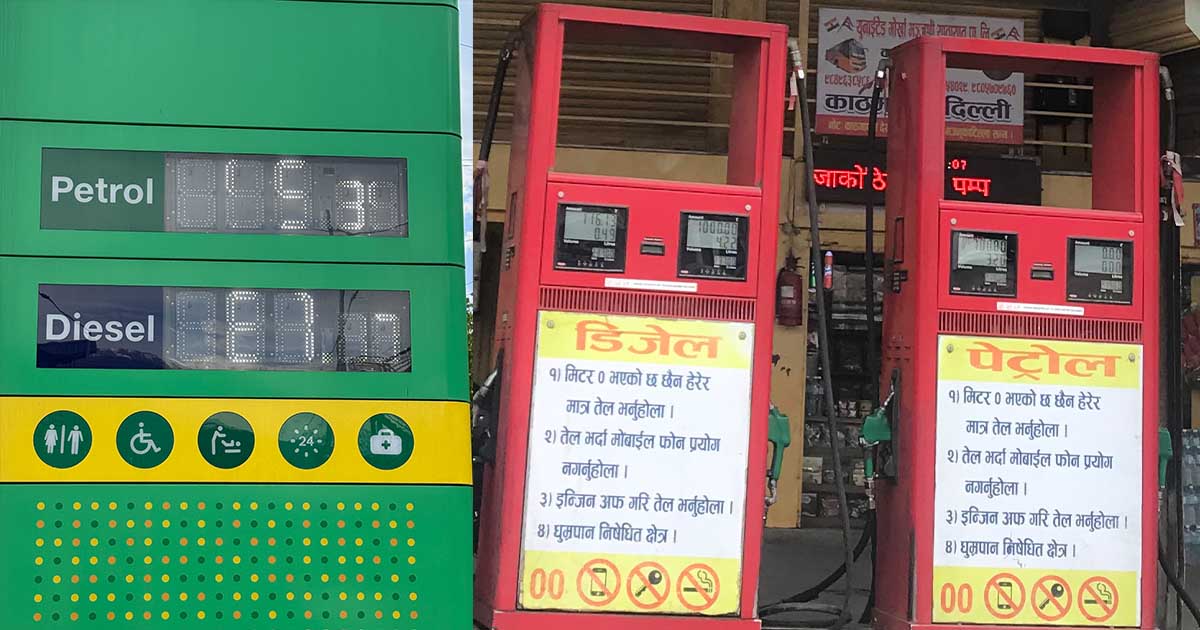
Nepal’s fuel prices have surged to record highs, far exceeding neighboring India and raising serious concerns over taxation, pricing policy, and the growing burden on citizens. The widening gap has placed Nepal among the most expensive fuel markets in South Asia.
Fuel Prices in Nepal vs India
As of April 18 (Baisakh 5), petrol prices in India range between INR 95 to 105 per liter, while diesel is priced between INR 85 and 100 depending on the state. In contrast, Nepal’s petrol price has reached NPR 219 per liter, and diesel stands at NPR 237 per liter.
This marks a substantial gap compared to previous years, when the difference in fuel prices between Nepal and India typically remained within NPR 2 to 4 per liter. Currently, petrol in Nepal is approximately NPR 66 higher per liter than in India, while diesel costs nearly NPR 97 more.
A Record Price Gap in Nepal’s History
The current disparity is believed to be one of the largest in Nepal’s history. Analysts suggest that Nepal may now rank among the most expensive countries in South Asia for fuel, placing an increased financial burden on consumers.
The price surge comes at a time when global oil markets are experiencing volatility due to geopolitical tensions in the Middle East. However, several neighboring countries, including India, Pakistan, Bangladesh, and Bhutan, have taken measures such as tax reductions or subsidies to cushion the impact on citizens.
Dependence on Indian Fuel Imports
Nepal imports 100 percent of its petrol and diesel from India. Despite this, fuel is sold domestically at significantly higher rates. For instance, diesel that costs roughly INR 87 in India (approximately NPR 140) is sold in Nepal at around NPR 237 per liter.
This discrepancy has raised questions about the pricing mechanism, including taxes, transportation costs, and institutional inefficiencies.
Nepal Oil Corporation’s Position
Despite high retail prices, the Nepal Oil Corporation (NOC) has repeatedly stated that it continues to operate at a loss. This claim has been met with skepticism by sections of the public and analysts.
Available estimates suggest that Nepal consumes approximately 2 to 2.5 million liters of petrol and 3.5 to 4 million liters of diesel daily. Based on these figures, some observers argue that the price difference could translate into substantial daily revenue, although official financial breakdowns remain limited.
Policy Measures and Public Reaction
The government recently announced a reduction in fuel-related taxes by up to 50 percent. However, shortly after the announcement, fuel prices were increased again by the NOC, effectively offsetting the intended relief.
Public response to the price hikes has been relatively muted compared to past instances when even minor increases triggered widespread criticism and forced policy reversals. Analysts suggest that shifting political dynamics and reduced public pressure may be contributing factors.
Impact on Daily Life
The rising cost of fuel is expected to have a cascading effect across the economy. Transport operators, daily wage workers, and ordinary commuters are among those most affected, as higher fuel prices often lead to increased costs of goods and services.
Economists warn that continued price increases could further strain household budgets and contribute to inflationary pressures.
A Broader Regional Context
While global oil prices have increased, many countries in South Asia have adopted measures to shield consumers from sharp price shocks. In contrast, Nepal’s pricing approach has led to a widening gap with regional markets.
The situation has prompted debate over whether current policies adequately balance fiscal needs with public welfare.
Conclusion
As Nepal navigates rising global oil prices and domestic economic challenges, the growing disparity in fuel costs compared to neighboring countries remains a pressing issue. Observers emphasize the need for greater transparency, policy clarity, and measures to mitigate the burden on citizens.


Written by Roshan Shrestha
Roshan Shrestha is a Nepali investigative journalist and founder of Khoj Samachar, covering corruption, transparency, and public-interest issues.
Nepal Moves to Standardise Burn Treatment Nationwide
Nepal to Impose VAT on Electricity Bills from Tomorrow
Nepal’s Free Treatment Portal Serves Over 2,200 in 90 Days
Minister Nisha Mehta Pushes Burn Care Across Seven Provinces
Nepal Supreme Court Opens Government Ads to Private Media
Full LPG Cylinders to Be Sold After Minister Yadav’s Order

Khawalung School Video: What Happened Between Teacher and Student?