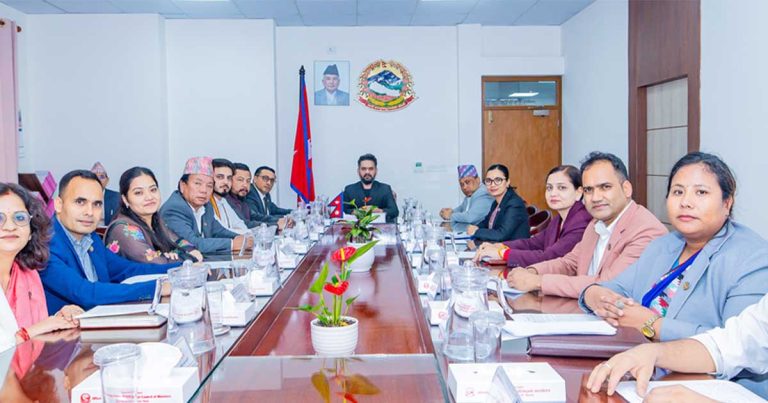
RSP Backs Ruby Kumari Thakur in Nepal Deputy Speaker Race
Multiple parties support Ruby Kumari Thakur, boosting her chances in Nepal’s deputy speaker election


Kathmandu — Nepal’s deputy speaker race has taken a decisive turn as major parties back Ruby Kumari Thakur, strengthening her position in parliament. The move signals a shift in political alliances ahead of the vote.
Two candidates have filed nominations for the deputy speaker post: Ruby Kumari Thakur from the Shram Sanskriti Party and Saraswati Lama from the Rastriya Prajatantra Party (RPP).
Party Support Strengthens Thakur’s Position
In a key development, the ruling Rastriya Swatantra Party (RSP) has decided to support Ruby Kumari Thakur. The decision follows constitutional provisions that prevent the same party from holding both Speaker and Deputy Speaker posts.
RSP’s Dol Prasad Aryal was elected Speaker unopposed on March 22, prompting the party to back an external candidate for the deputy speaker role.
Thakur’s nomination was proposed by Shram Sanskriti Party lawmaker Aren Rai and supported by RSP MP Ashok Kumar Chaudhary, reflecting coordinated political backing.
Confusion Over Earlier Political Signals
Earlier, RPP parliamentary leader Gyanendra Shahi had claimed that RSP chair Rabi Lamichhane had assured support for the RPP candidate.
That statement led to speculation of a possible RSP–RPP alignment. However, RSP’s latest move to support Ruby Kumari Thakur suggests a shift in strategy.
Opposition Support Adds Momentum
Adding to her advantage, the main opposition Nepali Congress has also indicated support for Ruby Kumari Thakur, according to a senior leader.
This broader backing significantly improves her chances, especially given the smaller parliamentary presence of both the Shram Sanskriti Party and RPP.
Election Reflects Shifting Political Alliances
Despite both candidates coming from opposition parties, the deputy speaker contest reflects evolving political dynamics within Nepal’s federal parliament.
With multiple parties aligning behind Ruby Kumari Thakur, the election is expected to highlight new cooperation patterns that could influence future legislative decisions and power-sharing arrangements.


Written by Roshan Shrestha
Roshan Shrestha is a Nepali investigative journalist and founder of Khoj Samachar, covering corruption, transparency, and public-interest issues.
What Did Gyanendra Shahi Say to His Trolls?
Sobita Gautam Leads Nepal’s 166-Bill Legal Reform Drive
Bishnu Paudel Released Without Bail by Special Court
Industry Ministry Recovers Rs 467 Million in Unpaid Rent

Rekha Thapa Criticises Taxes, Says ‘Swarnim Nepal’
Supreme Court Orders Immediate Release of Former UML MP Koiri
Government Restores Personal Secretary Facility for Lawmakers