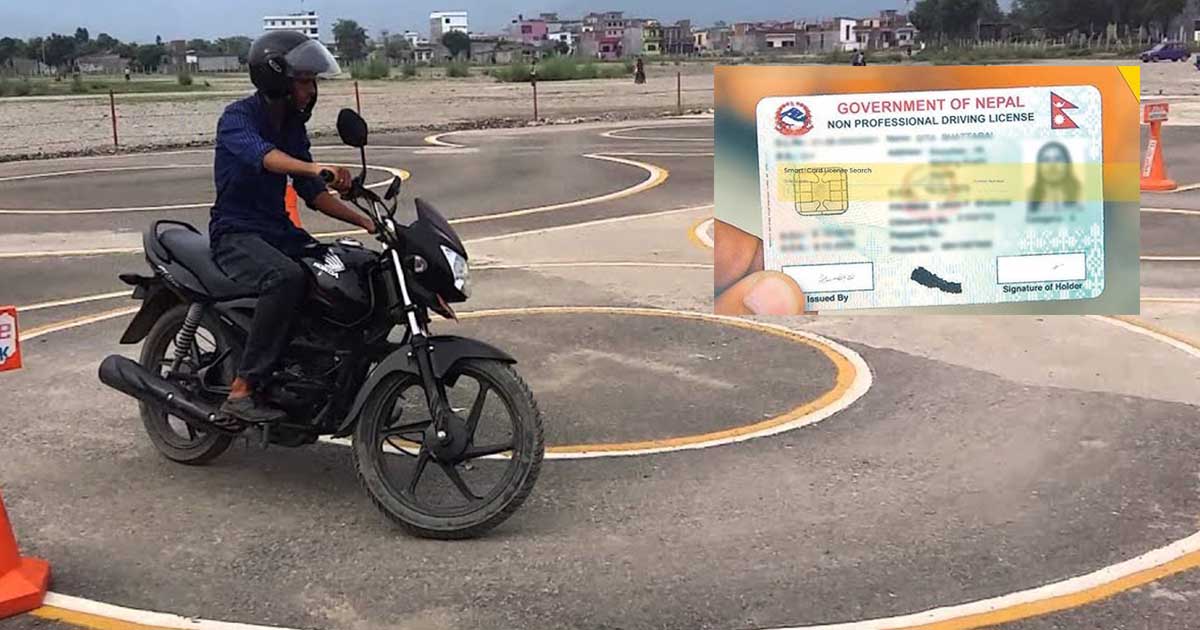
A long-standing problem faced by many Nepalis — waiting years to receive a driving licence even after passing the trial — may now be coming to an end.
Authorities have introduced a new system under which applicants are expected to receive their driving licence within 24 hours of passing the trial and paying the required fees.
Government Push to Speed Up Licence Distribution
The move follows recent instructions from Communication Minister Bikram Timsina, who during an inspection of the Security Printing Centre in Panauti, Kavre, directed officials to accelerate the printing process.
He stated that the government is committed to resolving delays in licence distribution and aims to clear the existing backlog by the end of the current fiscal year.
Officials say the new 24-hour service has now come into effect, with priority initially being given to citizens planning to travel abroad.
Why Delays Persisted for Years
For years, licence distribution in Nepal has been plagued by inefficiencies. The printing process was previously outsourced through tenders to domestic and international companies.
However, contractors often failed to complete the work on time. In some cases, delays in government payments also halted progress.
The system was further complicated by procedural issues, including tender processes, middlemen influence, and political interests, according to observers.
As a result, even after passing the driving test, applicants frequently had to wait several years to receive their licence.
Attempts at Reform and Ongoing Challenges
In recent years, the government began investing in its own printing infrastructure, including the purchase of high-value equipment. However, these facilities were not always fully operational, and delays continued.
The current administration has placed greater emphasis on improving service delivery and digital processes, aiming to reduce inefficiencies across public services.
Digitalisation Seen as a Long-Term Solution
Experts suggest that improving digital systems could further simplify the process. Since licence formats are already standardised, data entry, verification, and printing can be completed in a short time if systems are properly managed.
Some point to neighbouring countries like India, where citizens can access and download documents such as Aadhaar or PAN cards through official online portals.
Looking Ahead
While the introduction of a 24-hour licence system marks a significant change, its effectiveness will depend on consistent implementation.
Observers say that if managed properly, similar approaches could be extended to other public services, making them more accessible and efficient for citizens.
Conclusion
Nepal’s new initiative aims to address one of the most common administrative frustrations faced by the public. Whether it delivers lasting results will become clear in the coming months as the system is put into practice.