Mojtaba Khamenei Injured in Strike, Iran Power Vacuum Deepens
Reports of serious injuries to Iran’s new supreme leader raise concerns over leadership stability and ongoing US-Iran tensions


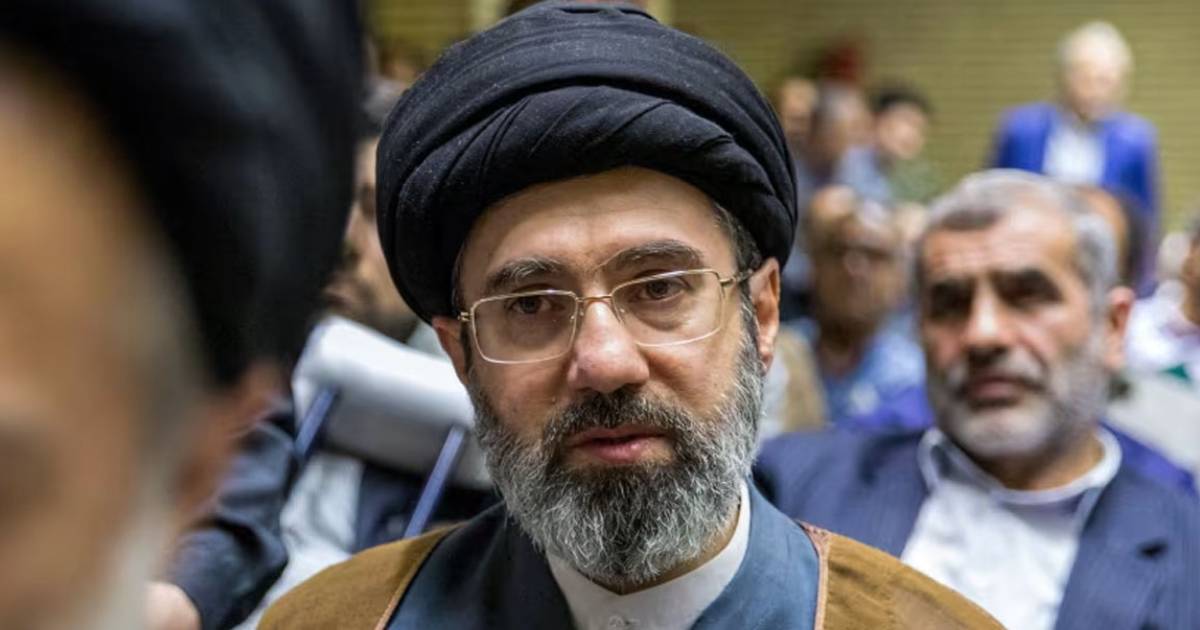
Mojtaba Khamenei, Iran’s newly appointed supreme leader, was seriously injured in a joint US-Israel strike, raising urgent concerns about leadership stability in Tehran. The development matters as it comes amid escalating conflict and sensitive diplomatic talks with Washington.
According to international media reports citing Iranian officials, the attack on February 28 left Khamenei with severe injuries, including damage to his face and legs. His absence from public view has intensified speculation over Iran’s internal power dynamics.
Strike Fallout Triggers Leadership Uncertainty
The reported strike not only injured Mojtaba Khamenei but also killed several high-ranking Iranian officials, including his father, former supreme leader Ali Khamenei. Family members were also among those reportedly killed in the attack.
Just ten days after his father’s death, Mojtaba was elevated to Iran’s most powerful position. However, his sudden injury has left a visible leadership gap at a critical moment.
Despite his condition, sources cited by Reuters say the 56-year-old leader remains mentally alert and continues to participate in high-level meetings via audio communication.
Absence Raises Questions During Critical Talks
Khamenei’s continued absence from public appearances has become more significant as Iran prepares for crucial negotiations with the United States in Islamabad. The timing has fueled speculation about who is truly steering Iran’s political and military decisions during the crisis.
While officials insist he remains involved behind the scenes, the lack of visual confirmation has amplified doubts. Iranian state television has referred to him as a “war-injured figure,” but has stopped short of providing detailed medical updates.
Power Shifts Within Iran’s Political System
In Khamenei’s absence, authority appears to have shifted among senior figures. Initially, Supreme National Security Council secretary Ali Larijani reportedly took charge, but he was also killed in the same wave of attacks.
Now, parliament speaker Mohammad Bagher Ghalibaf is widely seen as the most powerful acting figure within Iran’s political structure. A delegation led by Ghalibaf has already arrived in Islamabad for talks with US officials, signaling a temporary shift in operational leadership.
Analysts Warn of Fragile Authority
Experts say Mojtaba Khamenei may struggle to consolidate power in the same way his father did, especially under current conditions. “He will have influence, but becoming the decisive voice will take time,” analyst Alex Vatanka noted, highlighting the complexity of Iran’s power structure.
Iran’s supreme leader holds ultimate authority over the military, including the powerful Islamic Revolutionary Guard Corps (IRGC), making any uncertainty at the top particularly significant.
Public Speculation and Security Concerns Grow
Khamenei’s absence has triggered widespread speculation on social media, with viral posts questioning his whereabouts and condition. Supporters argue that security risks justify his low profile, while critics see it as a sign of instability within the regime.
Sources suggest that a public appearance or official images could emerge within the next one to two months, depending on his recovery and security considerations. For now, Iran’s leadership remains under intense scrutiny as both internal stability and international negotiations hang in the balance.


Written by Roshani Shrestha Pathak
Roshani Shrestha Pathak is the English Bureau Chief at Khoj Samachar, overseeing English-language editorial operations and newsroom coordination.
Is It Illegal for Nepalis to Get an Aadhaar or PAN Card in India?
Germany: Six died in Stade Shooting
Neymar Gives $250K for Venezuela Earthquake Victims
Kolkata Warehouse Collapse Update: 5 Dead, 2 Arrested
Colombia Beat Uzbekistan 3-1 in World Cup Opener
6.7-Magnitude Earthquake Shakes Indonesia’s Sulawesi
Saudi Arabia vs Uruguay Ends 1-1