Trump Signals US-Iran Talks Shift to Islamabad
Backchannel progress raises hopes for breakthrough as deep mistrust and sanctions continue to cloud nuclear negotiations


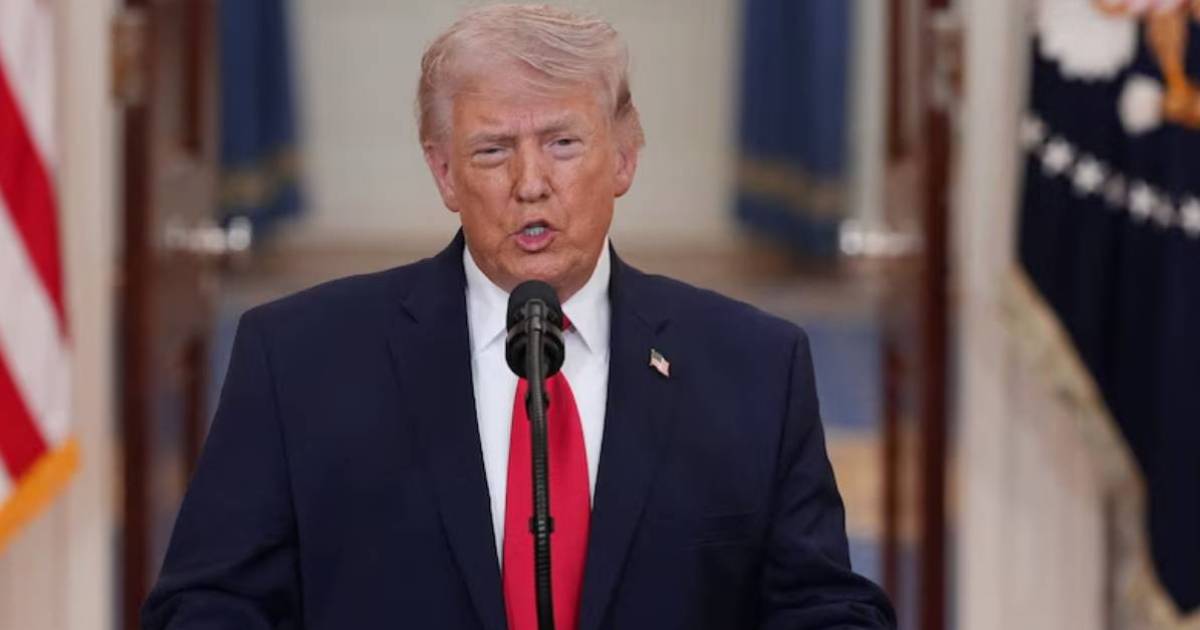
The United States and Iran are moving closer to a second round of talks in Islamabad, with US President Donald Trump signaling urgent progress despite ongoing nuclear tensions. The potential talks carry major implications for regional stability and global security.
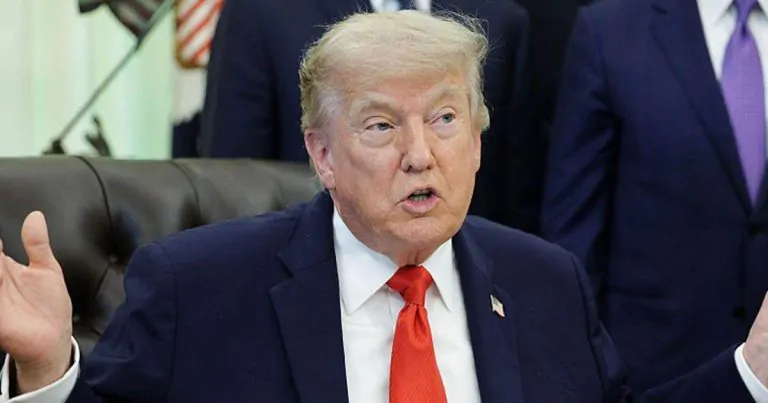
Trump, speaking to the New York Post, suggested that developments could unfold within days, indicating Islamabad as the likely venue for renewed negotiations. He praised Pakistan’s army chief, Field Marshal Asim Munir, for facilitating progress.
Islamabad Emerges as New Diplomatic Hub
“There is a strong chance something could happen in the next two days,” Trump said, hinting that stakeholders may need to remain in Islamabad as discussions evolve rapidly.
The remarks mark a shift from earlier expectations that Switzerland’s Geneva would host the next phase. Trump dismissed that option, questioning the logic of holding talks in a country not directly connected to the issue.
Deep Mistrust Continues to Stall Agreement
US Vice President JD Vance, speaking at an event in Georgia, acknowledged that while Washington seeks a major agreement, deep-rooted mistrust between the two nations remains a significant barrier.
“That problem won’t be solved overnight,” Vance said, underlining the fragile nature of the negotiations.
The first round of talks, held in Islamabad last week, lasted 21 hours but ended without a formal agreement. Vance led the US delegation, while Iran’s team was headed by Parliament Speaker Mohammad Bagher Ghalibaf.
Nuclear Dispute Remains Core Flashpoint
At the center of the dispute is Iran’s nuclear program. The United States has proposed a complete halt to Iran’s nuclear activities for 20 years, along with the removal of all enriched uranium from Iranian territory.
Tehran, however, has countered with a more limited proposal, offering only a temporary suspension of three to five years. Iranian officials have shown no indication of abandoning the nuclear program entirely.
Sanctions and Blockade Intensify Pressure
Following the failure of initial talks, Washington imposed a sweeping blockade on Iran. The measures target not only Iranian vessels but also foreign ships attempting to access Iranian ports.
US Central Command has reported that no ships have entered Iranian waters in the past 24 hours, highlighting the immediate impact of the restrictions.
Backchannel Talks Show Signs of Progress
Despite the lack of formal agreement, sources involved in the Islamabad discussions say backchannel communications have continued. These quiet exchanges appear to have narrowed gaps between the two sides.
Analysts suggest that this behind-the-scenes diplomacy could lay the groundwork for a more concrete framework in the upcoming round.The expected second phase of talks now carries heightened urgency, as both sides face mounting pressure to reach at least a partial agreement amid escalating tensions.


Written by Roshan Shrestha
Roshan Shrestha is a Nepali investigative journalist and founder of Khoj Samachar, covering corruption, transparency, and public-interest issues.
Neymar Gives $250K for Venezuela Earthquake Victims
Kolkata Warehouse Collapse Update: 5 Dead, 2 Arrested

Colombia Beat Uzbekistan 3-1 in World Cup Opener
6.7-Magnitude Earthquake Shakes Indonesia’s Sulawesi

Saudi Arabia vs Uruguay Ends 1-1

Sweden Crush Tunisia 5-1 in Group F Opener
US and Iran Move Toward Peace Agreement