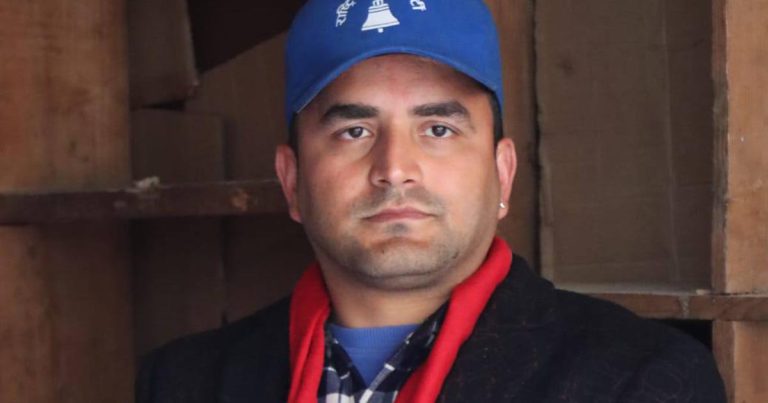
Mahabir Pun Minister Demand Grows as Merit Debate Intensifies in Nepal
A campaign led by Khoj Samachar since before the elections gains traction, as calls rise to appoint independent MP Mahabir Pun as minister


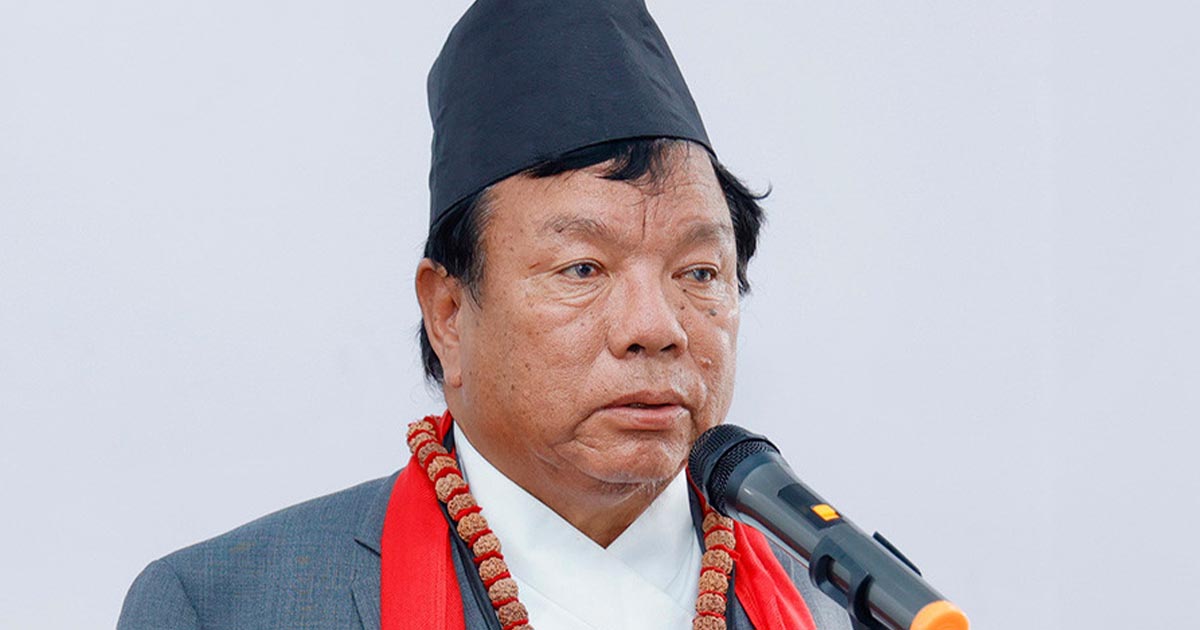
Debate over merit-based leadership in Nepal has intensified after a growing public campaign calling for the appointment of independent lawmaker Mahabir Pun as a minister in the current government led by the Rastriya Swatantra Party (RSP).
While the government has already formed its ministries, questions are being raised about the absence of a figure widely associated with science, innovation, and research. The issue has gained renewed attention following a sustained campaign by Khoj Samachar, which has been advocating for Pun’s inclusion in government since before the general elections.
Campaign Initiated Before Elections
According to published content and social media outreach by Khoj Samachar, the call to bring Mahabir Pun into a leadership role began during the election period. The platform highlighted his qualifications and potential role in shaping Nepal’s science and innovation sector. For example, one of its video reports published on YouTube during the election period shows how the issue was being raised before voting took place.
The discussion continued after the election, when the Rastriya Swatantra Party (RSP) had not yet formed the government, with Khoj Samachar again raising the issue through a video post shared on Facebook.
Following the formation of a single-party government by the RSP, the campaign has continued in a more sustained manner. Khoj Samachar has published additional video content and commentary across digital platforms, presenting arguments related to Pun’s experience in science and innovation. The campaign remains ongoing, as reflected in recent video content shared on YouTube.
Rising Public Support on Social Media
The campaign has also gained traction across social media, where a number of users have expressed support for the idea of appointing Pun as a minister. Videos and posts circulated by Khoj Samachar have contributed to wider public discussion, with many framing the issue as a test of merit-based governance.
Supporters argue that Nepal’s long-standing challenges in research, innovation, and technological development require leadership with direct experience in those fields. Others, however, note that ministerial appointments are often shaped by political considerations beyond technical expertise.
Can an Independent MP Be Appointed Minister?
Mahabir Pun was elected as an independent Member of Parliament from Myagdi . Under Nepal’s constitutional framework, the prime minister has the authority to appoint ministers, including individuals who are not affiliated with a political party, provided they are members of parliament.
This provision has been cited by those supporting the campaign, who argue that Pun’s independent status does not present a legal barrier to his inclusion in the cabinet.
Additionally, there appears to be no political obstacle either, as his appointment would not require coalition negotiations. During the election period in Myagdi, the RSP had extended support to Pun, as reflected in earlier reports . This context has been referenced in ongoing discussions about his potential inclusion in the government.
Who Is Mahabir Pun?
Mahabir Pun is a Nepali scientist, innovator, and social entrepreneur known for his work in expanding internet access in rural areas. He is the founder of the Nepal Wireless Networking Project, which connected remote communities using wireless technology.
In 2007, Pun was awarded the Ramon Magsaysay Award, often referred to as Asia’s equivalent of the Nobel Prize, in recognition of his efforts to bring technology-driven solutions to underserved regions.
He has also been actively involved in promoting research and innovation through initiatives such as the National Innovation Center, aimed at supporting young innovators and fostering a culture of scientific inquiry in Nepal.
Why Is His Appointment Being Demanded?
Those backing the campaign cite several reasons for proposing Mahabir Pun as a minister:
- Domain expertise: Extensive experience in science, technology, and innovation
- Practical impact: Proven track record in implementing community-based technological solutions
- International recognition: Global acknowledgment of his contributions
- Policy relevance: Advocacy for increased investment in research and development
Nepal’s investment in research and development remains relatively low compared to global standards, which has further fueled arguments for leadership with specialized knowledge in the sector.
Questions Around Merit-Based Governance
The debate has also drawn attention to the RSP’s core political message of prioritizing competence in leadership selection. Critics and observers have framed the current discussion as an early test of whether that principle is being reflected in government appointments.
While the party has not publicly responded in detail to the specific demand regarding Mahabir Pun, the broader conversation continues to unfold across media and public discourse.
What Happens Next?
It remains unclear whether the government will consider changes to its cabinet or expand ministerial roles in response to growing public discussion. However, the campaign led by Khoj Samachar has brought renewed focus to the question of how expertise and merit are incorporated into political decision-making.
Regardless of the outcome, the issue has sparked a wider national conversation about leadership, accountability, and the role of science and innovation in Nepal’s development trajectory.


Written by Roshan Shrestha
Roshan Shrestha is a Nepali investigative journalist and founder of Khoj Samachar, covering corruption, transparency, and public-interest issues.
Who Is Khem Bhandari and Why Was He Arrested in the Nirmala Pant Case?
Why Nepal Needs an AI-Based Digital Traffic Management System

Ramji Yadav Faces Scrutiny After Party Election Loss
National ID Download Service Restored With OTP Verification
National ID Download Service Disabled After Security Concerns Raised

Question for Sudan Gurung: When Will Nirmala’s File Reopen?
Why Som Sharma Should Be Nepal’s Labour Minister