Iran Warns of Retaliation if US Imposes Gulf Blockade
Tehran warns of Gulf escalation after US imposes maritime restrictions following failed nuclear talks


Iran has condemned a US-led blockade as illegal and warned of retaliation, escalating tensions in the Strait of Hormuz after nuclear talks collapsed. The move threatens global oil flows and raises fears of a wider regional conflict.
The United States announced restrictions on maritime traffic to and from Iranian ports following failed negotiations, prompting a sharp response from Tehran.
Iran Rejects Blockade as ‘Illegal Act’
Iranian authorities have described the US blockade as a violation of international law, accusing Washington of escalating tensions in already volatile waters. Military officials warned that restricting vessel movement in international waters amounts to “piracy,” signaling a strong stance against enforcement of the blockade.
Tehran has also made clear that it will not accept external control over its maritime access, particularly in the strategic Strait of Hormuz.
Retaliation Threats Raise Regional Concerns
Iran has warned that any enforcement of the blockade could trigger retaliation, including possible attacks on ports across Gulf nations. According to reports, Tehran views the move as a direct threat and has indicated it may respond beyond its own territory, raising fears of a broader Middle East escalation.
The warning highlights the risk of the conflict spreading to neighboring countries and disrupting regional stability.
Blockade Follows Collapse of Nuclear Talks
The escalation comes after US-Iran talks in Pakistan failed to reach an agreement, with both sides blaming each other for the breakdown. Washington has demanded firm commitments from Iran on nuclear development, while Tehran has accused the US of making unrealistic and overly strict demands.
Following the collapse, the US moved quickly to impose a blockade targeting ships entering or leaving Iranian ports in the Strait of Hormuz.
Strait of Hormuz at Center of Global Crisis
The Strait of Hormuz remains a critical chokepoint for global energy supplies, with a significant portion of the world’s oil passing through the narrow waterway. Recent tensions have already disrupted shipping traffic and pushed oil prices higher, with analysts warning of severe global economic consequences if the situation worsens.
Iran had earlier restricted access to the strait, allowing passage only under its conditions — a move that triggered the US response.
Conflict Risks Deepen After Fragile Ceasefire
The latest developments come after a temporary ceasefire that had briefly reduced hostilities following weeks of US and Israeli strikes on Iran. With both sides now escalating rhetoric and actions, the fragile calm appears to be collapsing, raising the risk of renewed military confrontation.
Analysts warn that continued escalation around the Strait of Hormuz could disrupt global trade and energy markets, with far-reaching consequences beyond the region.


Written by Roshani Shrestha Pathak
Roshani Shrestha Pathak is the English Bureau Chief at Khoj Samachar, overseeing English-language editorial operations and newsroom coordination.
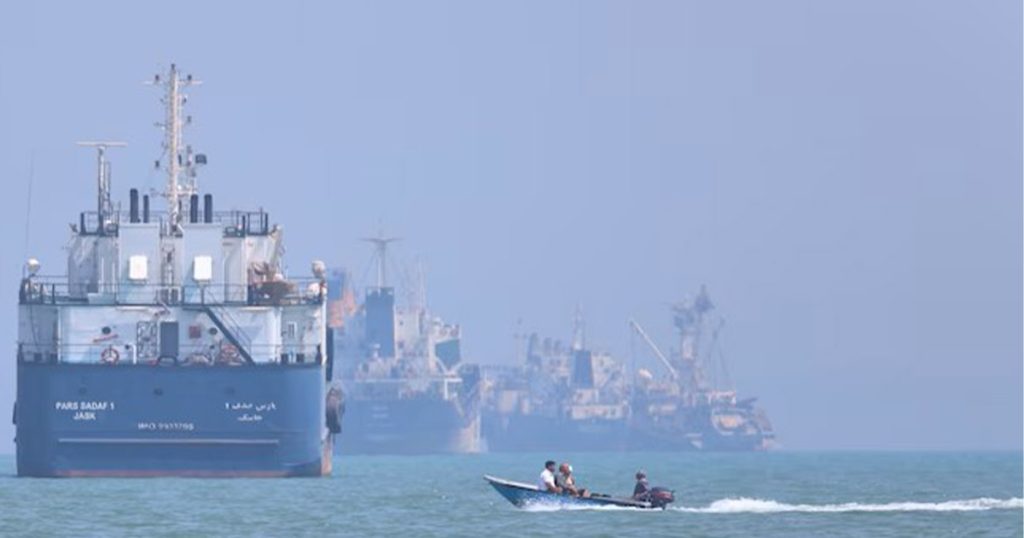
Indian Crew Member Killed in Hormuz Tanker Attack
South Korean Sailor Found Dead Near Northern Sea Border
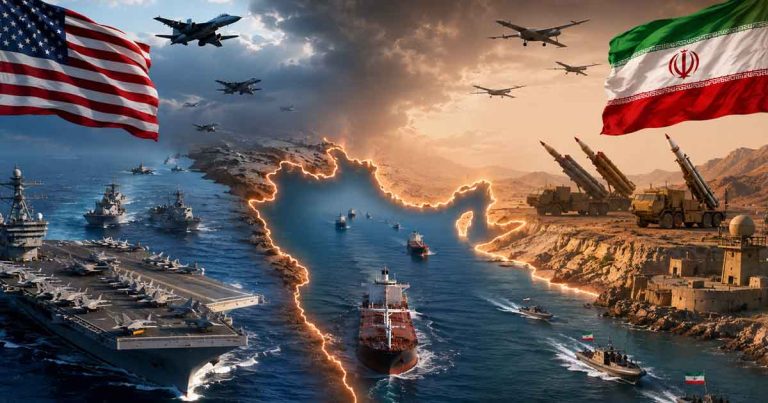
US-Iran Clash Raises Gulf Alarm After Drone Attacks
Iran-America War Update: Hormuz Strait Closed

Heavy Rain Triggers Landslides in Uttarakhand

Dalai Lama Birthday Controversy in Nepal: Tibet-China Risk Explained
Oil Prices Rise as US-Iran Tensions Flare