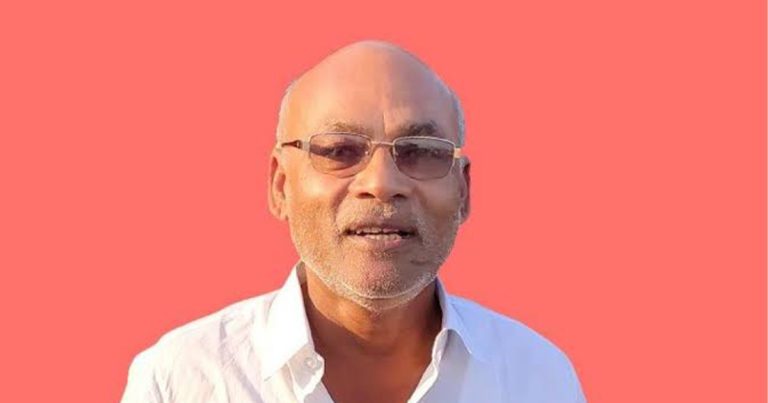
Harka Sampang Opposes Thapathali Eviction Drive
Shram Sanskriti Party chairman criticizes government action, urges housing support for displaced landless residents in Kathmandu


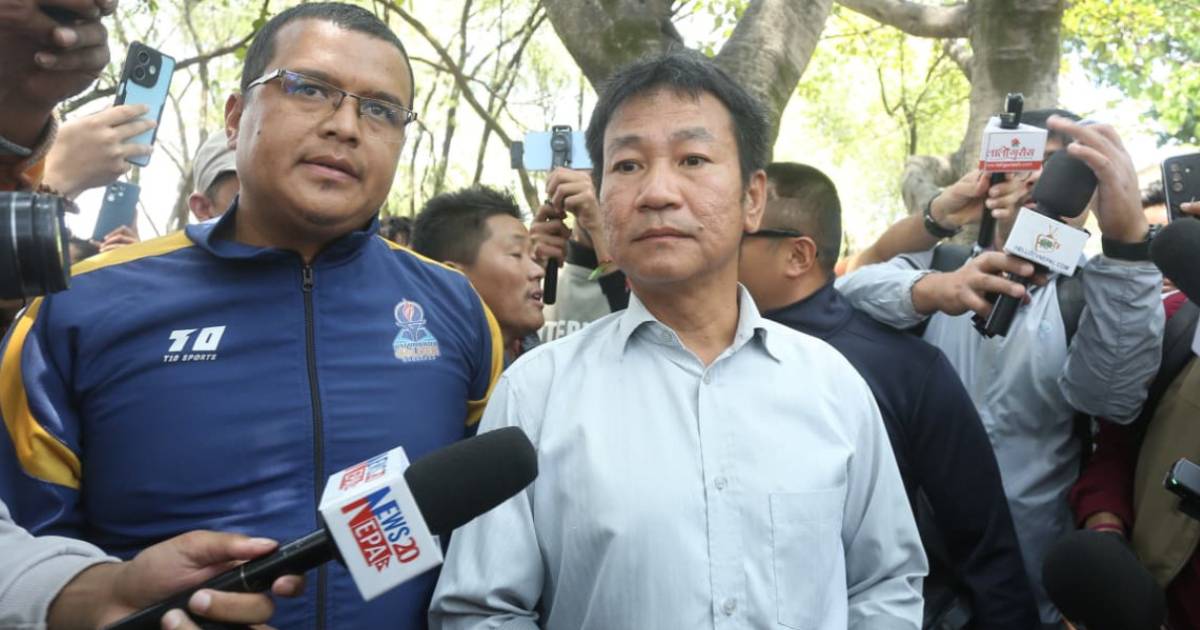
A political debate has intensified in the capital after the government cleared a settlement of landless residents in Thapathali, Kathmandu. The move has drawn criticism from leaders who argue that it has left vulnerable communities without shelter and exposed deeper concerns about housing rights and social justice.
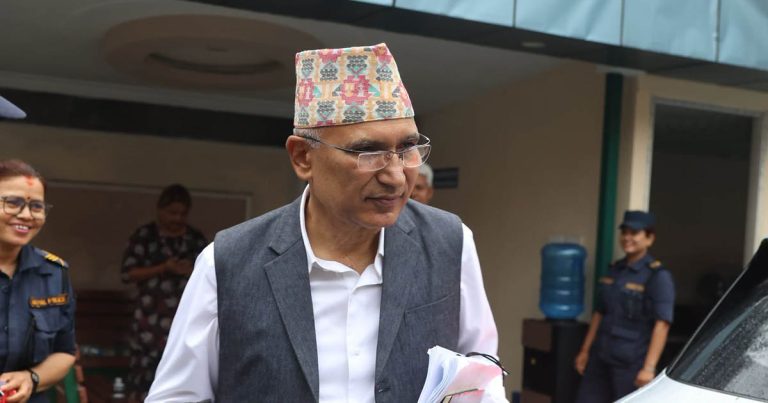
During a visit to the cleared site on Monday, the chairman of the Shram Sanskriti Party, Harka Sampang, openly opposed the government’s action, saying it risks pushing already disadvantaged citizens further into hardship. His remarks highlight growing tensions over how authorities are addressing the issue of informal settlements and landless populations.
Leader Visits Cleared Settlement in Kathmandu
The chairman arrived at the former settlement area in Thapathali shortly after the government carried out its clearance operation. The location, once home to a number of landless families, now stands empty following the eviction.
Speaking at the site, Sampang expressed concern about the immediate consequences faced by displaced residents. He noted that many of those affected had nowhere else to go, raising questions about the preparedness and planning behind the government’s decision.
The visit itself became a focal point for drawing attention to the issue, as the leader interacted with locals and observed the situation on the ground. His presence underscored the seriousness of the matter within political circles.
Strong Opposition to Government Policy
Sampang made it clear that his party does not support the current approach taken by authorities. He argued that forcing landless citizens out of their homes without proper arrangements is not an acceptable policy.
According to him, such actions fail to recognize the basic needs of people who are already struggling. He stressed that policies should aim to protect citizens rather than expose them to further uncertainty.
His criticism reflects a broader concern that eviction without alternatives may lead to increased hardship, particularly for those already living in poverty. The statement has added momentum to ongoing discussions about how best to address informal settlements.
Call for Basic Rights and Dignity
At the core of Sampang’s message was a strong emphasis on fundamental human needs. He pointed out that landless individuals are citizens who deserve equal rights, including access to food, shelter, and clothing.
He urged the government to recognize these rights as essential and non-negotiable. In his remarks, he highlighted that every citizen, regardless of economic status, should be treated with dignity.
The leader warned that ignoring these basic rights could deepen inequality and create long-term social challenges. His appeal was framed as both a humanitarian concern and a matter of national responsibility.
Demand for Proper Housing Arrangements
A key demand raised during the visit was the need for proper housing solutions. Sampang called on authorities to ensure that displaced families are provided with suitable alternatives before any eviction takes place.
He argued that simply removing settlements without offering viable options leaves people vulnerable and undermines trust in public institutions. Instead, he suggested that the government should focus on planned and sustainable housing management.
- Ensure relocation plans are in place before eviction
- Provide safe and secure housing for affected families
- Consider long-term solutions rather than short-term actions
These points highlight a policy direction that prioritizes stability and support for vulnerable groups.
Emphasis on Inclusive Governance
Beyond immediate concerns, Sampang also addressed the broader role of the state. He emphasized that the government must prioritize the problems of all citizens, including those from lower-income and marginalized groups.
He stated that governance should not overlook any section of society and must be inclusive in addressing challenges. This includes ensuring that policies are fair and considerate of those who may not have strong representation.
The remarks reflect an expectation that authorities should balance development goals with social responsibility, particularly in cases involving housing and displacement.
Growing Debate Over Landless Settlements
The situation in Thapathali has sparked a wider debate about how to manage landless settlements in urban areas. As cities expand and land becomes more valuable, conflicts over space and rights are becoming more visible.
Sampang’s opposition adds to a growing list of voices calling for a more balanced approach. The issue is not limited to a single location but represents a recurring challenge in urban planning.
Observers note that the debate is likely to continue, especially as similar situations arise in other parts of the country. The outcome may influence future policies related to housing and land use.
Political Pressure Builds Around Decision
The criticism from the Shram Sanskriti Party chairman has increased political pressure on the government to reconsider its approach. His statements have drawn attention to the human impact of policy decisions, making it harder for authorities to ignore the issue.
While the government has not responded in this context, the growing scrutiny suggests that the matter may remain in public discussion for some time. Political leaders, civil society, and affected communities are expected to continue raising concerns.
The Thapathali clearance has therefore become more than a local issue. It now stands as a significant example of the challenges involved in balancing development, law enforcement, and human rights.


Written by Roshani Shrestha Pathak
Roshani Shrestha Pathak is the English Bureau Chief at Khoj Samachar, overseeing English-language editorial operations and newsroom coordination.

Sobita Gautam Leads Law Commission Act Amendment

Gyanendra Shahi Comments on Nagdhunga Tunnel Dispute
What Did Gyanendra Shahi Say to His Trolls?
Sobita Gautam Leads Nepal’s 166-Bill Legal Reform Drive
Bishnu Paudel Released Without Bail by Special Court

Industry Ministry Recovers Rs 467 Million in Unpaid Rent

Rekha Thapa Criticises Taxes, Says ‘Swarnim Nepal’