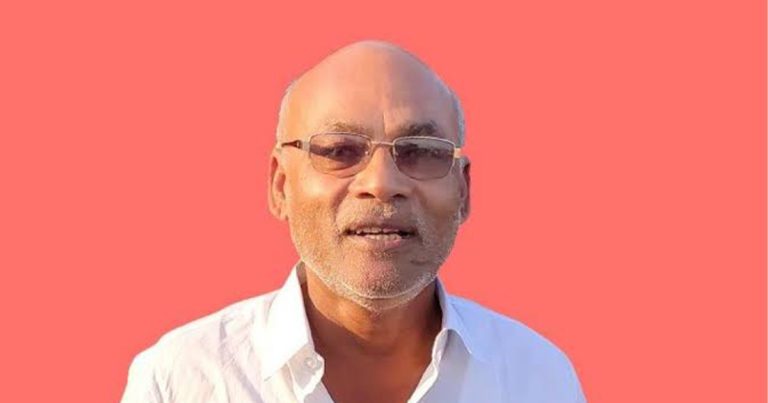
Harka Sampang Says Party Excluded From Speaker Meeting
Harka Sampang raises concern after Shram Sanskriti Party receives late notice for key Singha Durbar political meeting


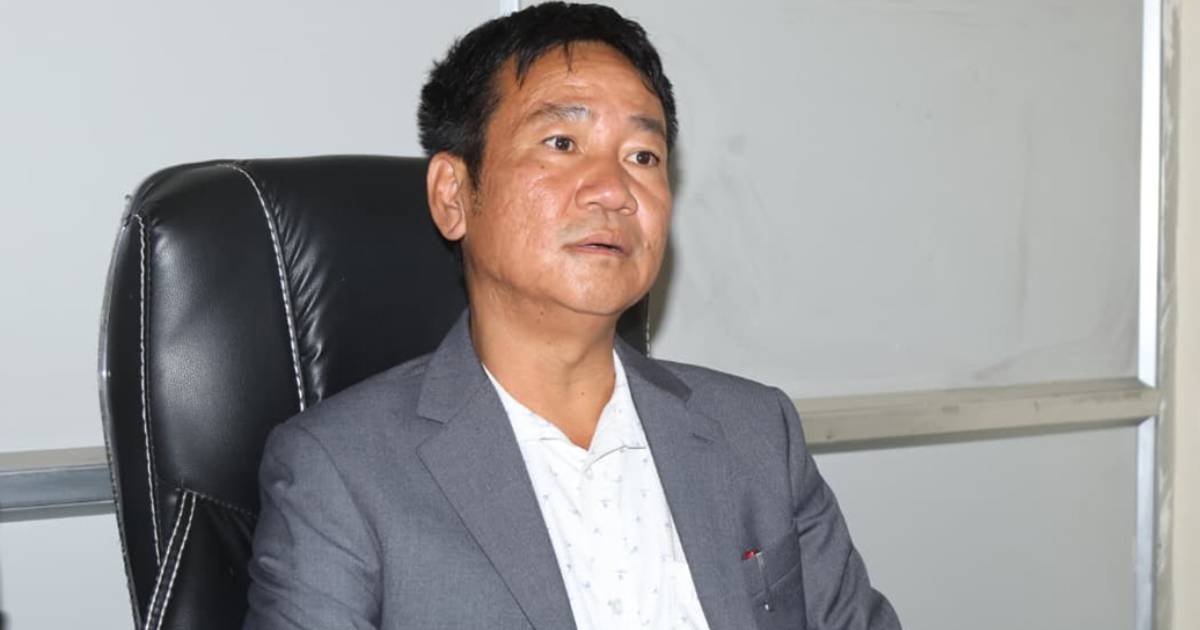
A political dispute has emerged after Harka Sampang, chairperson of the Shram Sanskriti Party, said his party was not informed about a key parliamentary meeting called by the Speaker.
The meeting, held at Singha Durbar on Monday afternoon, brought together representatives from both ruling and opposition parties, but the absence of one party has raised concerns about coordination and communication.
The issue came to light after Sampang publicly stated that his party had been left out of the invitation process. His remarks were supported by the party’s chief whip, who said they were contacted only shortly before the meeting, leaving little time to prepare or attend.
The development has drawn attention to the importance of inclusive participation in political consultations.
Meeting Held at Singha Durbar
A meeting was scheduled at around midday on Monday at Singha Durbar, a key administrative center. The Speaker had invited chief whips from both ruling and opposition parties represented in the House of Representatives.
The gathering was intended to discuss current political matters. Such meetings are often used to coordinate between parties and address important national issues or parliamentary agendas.
Harka Sampang Raises Concern
Harka Sampang said through social media that his party had not received prior information about the meeting. According to him, there was no formal invitation or clear communication sent to their representatives in advance.
His statement highlighted a possible gap in communication, raising concerns about whether all parties were given equal opportunity to participate in the discussion.
Late Notification Cited by Party
The party’s chief whip explained that they were informed about the meeting only a short time before it began. He said a call was received from the secretariat roughly two hours before the scheduled time.
Because of the short notice, he said it was not possible for him to attend the meeting.
- Notification received about two hours before the meeting
- Call made by secretariat staff
- Party unable to participate due to limited time
This timeline suggests that the communication may not have been managed effectively, leading to the party’s absence.
Conversation with the Speaker
After informing that he could not attend, the chief whip said he had a conversation with the Speaker. During the exchange, the Speaker reportedly mentioned that the meeting was focused on discussing current issues.
While this clarified the purpose of the meeting, it did not fully resolve the concern about the delayed communication.
Importance of Inclusive Participation
The situation has underlined the importance of ensuring that all political parties are included in discussions, especially when meetings involve both ruling and opposition groups.
When a party feels excluded or insufficiently informed, it can raise questions about fairness and transparency in the process. Timely communication is essential to maintain trust among political actors.
Effect on Parliamentary Coordination
The absence of the Shram Sanskriti Party from the meeting may have reduced the range of perspectives in the discussion. Meetings of this nature are meant to gather input from all sides to support balanced decision-making.
If such issues are not addressed, they may affect cooperation between parties in future engagements.
Focus on Ongoing Political Discussions
Despite the controversy, the meeting itself was aimed at addressing ongoing political matters. These discussions are part of regular efforts to manage parliamentary affairs and respond to current issues.
The situation now draws attention to how future meetings will be organized and whether communication processes will be improved to ensure full participation.


Written by Pushpa Tamang
Pushpa Tamang is Managing Editor at Khoj Samachar, leading English and Nepali bureaus, newsroom operations, and editorial standards.

Sobita Gautam Leads Law Commission Act Amendment
Gyanendra Shahi Comments on Nagdhunga Tunnel Dispute
What Did Gyanendra Shahi Say to His Trolls?
Sobita Gautam Leads Nepal’s 166-Bill Legal Reform Drive
Bishnu Paudel Released Without Bail by Special Court
Industry Ministry Recovers Rs 467 Million in Unpaid Rent

Rekha Thapa Criticises Taxes, Says ‘Swarnim Nepal’