Aftab Alam Release Sparks Uproar, Judge Attacked in Birgunj
The decision by the Janakpur High Court’s temporary bench to overturn the life sentence of former Minister and Nepali Congress leader Mohammad Aftab Alam has ignited a political and legal storm across Nepal. Following the controversial ruling, one of the judges involved in the decision was attacked with […]


Kathmandu – The decision by the Janakpur High Court’s temporary bench to overturn the life sentence of former Minister and Nepali Congress leader Mohammad Aftab Alam has ignited a political and legal storm across Nepal. Following the controversial ruling, one of the judges involved in the decision was attacked with black ink, and the Judicial Council is preparing for an emergency meeting to address the growing backlash.
On Thursday, a group affiliated with the ruling CPN (Maoist Centre) reportedly stormed the judge’s chamber at the Birgunj-based temporary bench and splashed black ink on Justice Khusi Prasad Tharu. The group accused the judge of facilitating the release of Alam, the prime accused in the deadly 2008 Rautahat bomb blast case.
Court Ruling and the Legal Justification
The Janakpur High Court’s temporary bench had issued its ruling on May 27 (Jestha 14), overturning a 2024 (2081 B.S.) Rautahat District Court verdict that sentenced Alam and three others to life imprisonment. The bench, comprised of Justices Khusi Prasad Tharu and Arjun Maharjan, cited insufficient evidence from the prosecution as the basis for acquitting Alam.
According to the summary judgment, the court found that the Office of the Attorney General had earlier decided not to pursue charges against Alam, and the Supreme Court had also issued a precedent that influenced the lower court’s final decision.
The judges further noted that the prosecution had failed to present conclusive proof that individuals injured in the explosion—allegedly Trilok Prakash Singh alias Pintu and Oshi Aftab—were burned in a brick kiln after being transported on a tractor, as claimed.
Despite the ruling, critics argue that the case involved grave human rights violations, and the lack of thorough evidence presentation should not lead to the dismissal of such serious charges.
Judicial Council Meeting and Judge Accountability
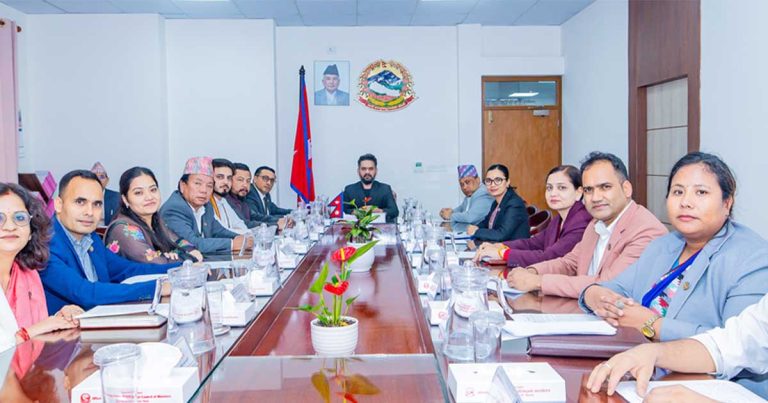
Amid widespread criticism, Nepal’s Judicial Council is holding an emergency meeting to address the fallout. Minister for Law, Justice, and Parliamentary Affairs, Ajaya Chaurasiya, confirmed that the meeting will review several pending judicial appointments and specifically assess the conduct of Justices Tharu and Maharjan in connection to the Alam verdict.
According to council sources, formal complaints have already been lodged against the judges involved, and a preliminary internal investigation is underway. Following the court’s decision, Alam, who had been held at Nakkhu Prison in Lalitpur, was released on Wednesday evening.
The former lawmaker had been in custody for years in connection to the Rautahat bombing, which allegedly killed several people and involved the burning of injured individuals to destroy evidence.
Initially, the district court had found Alam, his brother Mohammad Mehtab Alam, and two others—Sheikh Saraj and Badri Sahani—guilty and sentenced them to life imprisonment. The High Court’s ruling has now nullified that verdict.
Broader Implications for Nepal’s Justice System
The case has once again thrust Nepal’s judicial independence into the spotlight, with growing calls for transparency, accountability, and reform. While some hail the judiciary’s courage to reassess past rulings, others see the decision as politically motivated and a blow to justice for the victims and their families.
As public pressure mounts and political reactions intensify, legal experts and civil society alike are demanding a thorough review of the case and the processes that led to the release of one of Nepal’s most controversial political figures.


Written by Khoj Samachar Editorial Team | News Desk
Editorial team of Khoj Samachar responsible for publishing and managing news content, quality and timely coverage of national and global developments.
What Did Gyanendra Shahi Say to His Trolls?
Sobita Gautam Leads Nepal’s 166-Bill Legal Reform Drive
Bishnu Paudel Released Without Bail by Special Court
Industry Ministry Recovers Rs 467 Million in Unpaid Rent

Rekha Thapa Criticises Taxes, Says ‘Swarnim Nepal’
Supreme Court Orders Immediate Release of Former UML MP Koiri
Government Restores Personal Secretary Facility for Lawmakers