Ghimire Highlights NSU’s Historic Role, Calls for Stronger Youth Engagement in Nepal
Gururaj Ghimire says the Nepal Student Union’s contribution is inseparable from Nepal’s political history and stresses stronger youth engagement and organizational reform.


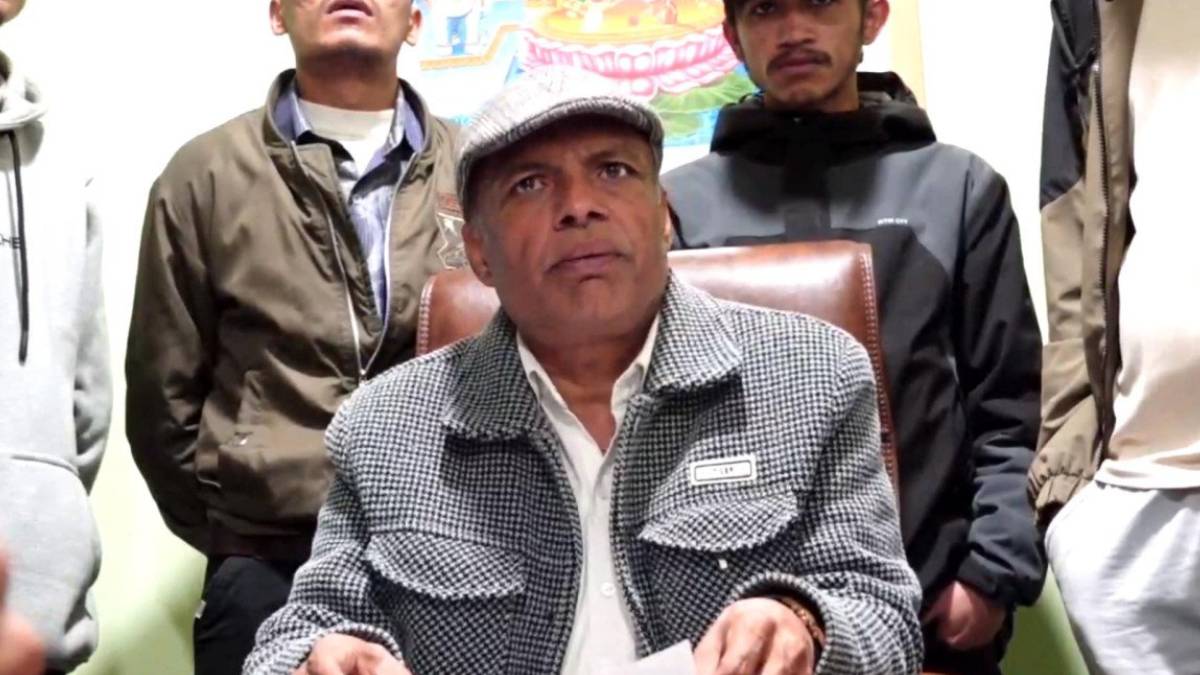
Lalitpur — Nepali Congress General Secretary Gururaj Ghimire on Sunday said the Nepal Student Union (NSU) has played an indispensable role in Nepal’s political history, warning that the country’s democratic journey would remain incomplete without recognizing its contribution.
NSU’s Legacy and Role in Democratic Movement
Speaking while receiving a memorandum from NSU members at the party’s central office in Sanepa, Ghimire said the organization’s legacy cannot be diminished or pushed into obscurity.
He noted that during the Panchayat era, NSU mobilized students against the autocratic system and contributed significantly to the restoration of democracy, at times making sacrifices greater than those of the parent party.
Youth Engagement and Internal Concerns
Amid evolving political dynamics and the rise of new political forces, Ghimire stressed that NSU’s role must become more effective and impactful. He said adapting to changing political realities and addressing the aspirations of younger generations is now essential.
Highlighting that nearly 12 million people in Nepal are under the age of 40, he warned that ignoring such a large youth population would be a serious mistake for any political party.
Ghimire said decisions regarding the future of sister organizations fall within the party’s jurisdiction, but described NSU as an integral part of the party. He added that the Nepali Congress is preparing to take institutional decisions soon on NSU, Nepal Tarun Dal, and the Nepal Women’s Association.
He said the party will introduce clear guidelines to make these organizations more effective and end long-standing organizational vacancies. Meanwhile, NSU-affiliated members have expressed concern over recent internal activities, alleging that some decisions were made without following proper procedures.
They said meetings were held and decisions taken without the required quorum, calling such actions against both organizational norms and party values. Responding to the concerns, Ghimire said the party is closely monitoring the situation and will take necessary steps to strengthen unity and institutional discipline within the organization.

Written by Khoj Samachar Editorial Team | News Desk
Editorial team of Khoj Samachar responsible for publishing and managing news content, quality and timely coverage of national and global developments.
Majid Ansari and Gen Z Arrests Raise Kirtipur Police Questions
Kulman to Energy Minister: Give NEA a Full-Time Chief
Is the Balen Government Heading Toward Authoritarianism?
Santosh Rajbanshi: When Will Farmers Get Fertilizer?
Lima Adhikari Urges EU Air Safety List Review
Bhutanese Refugee Scam: 16 Convicted, 7 Acquitted, 8 Fled
Kulman Ghising: Government Has Energy, Needs Experience