
Nepal Plans IVF Rules to Strengthen Patient Safety
The Health Ministry is drafting operating standards and pursuing a separate law to strengthen patient safety and oversight.


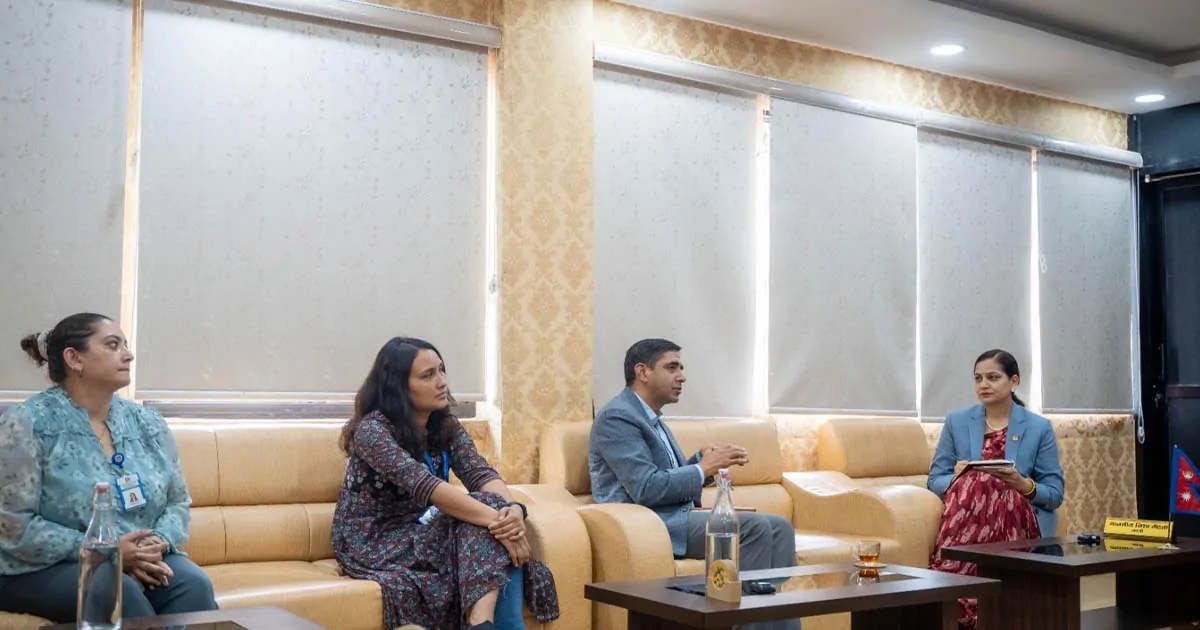
The government has begun work to bring in-vitro fertilisation services under a clearer regulatory system as more couples turn to assisted reproductive treatment in the hope of having children.
A discussion held at the Ministry of Health and Food Hygiene on Friday reviewed the condition of IVF centres operating across Nepal, including their infrastructure, treatment standards, approval procedures and the existing monitoring system.
The meeting, attended by Health and Food Hygiene Minister Nisha Mehta, laid the groundwork for preparing an immediate operating procedure for IVF services. The ministry also plans to pursue a separate law in the longer term to place the sector within a formal legal framework.
The move shows that the government is beginning to treat IVF not only as a specialised medical service, but also as an area where patient rights, clinical standards, ethical practice and institutional accountability must be addressed together.
Patient safety at the centre of proposed rules
IVF treatment is closely linked to reproductive health and involves sensitive medical decisions. The meeting noted that Nepal still needs a clear legal structure covering how centres operate, how treatment is provided, how patients are protected and what ethical standards practitioners must follow.
Minister Mehta said protecting the rights and safety of people receiving treatment was a government priority.
She stressed that effective regulation was necessary to prevent poor-quality services and possible irregularities. The ministry, she said, remained committed to expanding access to safe and responsible reproductive health services.
For couples entering IVF treatment, the absence of clear standards can leave uncertainty over who is accountable when procedures are not followed properly. A formal system would also give regulators a stronger basis to act when institutions fail to meet required standards.
Infrastructure, staffing and approvals under review
The discussion also focused on setting minimum requirements for infrastructure and human resources at IVF centres.
Officials considered the need to organise the approval process and develop a mechanism for regular inspection. At present, the ministry is looking at how centres should be assessed before receiving permission to operate and how their services should be monitored after approval.
The proposed operating procedure is expected to cover:
- Minimum infrastructure required for IVF centres
- Standards for qualified medical and technical personnel
- A structured approval and licensing process
- Regular monitoring of treatment quality and institutional practice
- Measures to protect patients and ensure responsible service delivery
The ministry expects that clear procedures and a dedicated legal framework will help define the responsibilities of institutions providing IVF treatment.
It also believes the measures can improve transparency in the treatment process and reduce risks faced by service users.
The meeting was attended by Dr Shriprasad Adhikari, Dr Jyoti Thapa and Dr Binita Thapa.

Written by Roshan Shrestha
Roshan Shrestha is a Nepali investigative journalist and founder of Khoj Samachar, covering corruption, transparency, and public-interest issues.

Heavy Monsoon Rain Raises Flood Risk Across Nepal
Young Doctors Demand Legal Limits on Hospital Duty Hours
Heavy Monsoon Rain Puts Nepal on Alert
Health Minister Mehta Promises Better Healthcare for Minorities
National ID Now Required for Old Bank Accounts in Nepal

Saptakoshi Flood Rises, 21 Koshi Barrage Gates Opened
Why Are Protests Spreading Everywhere Across Nepal Right Now?