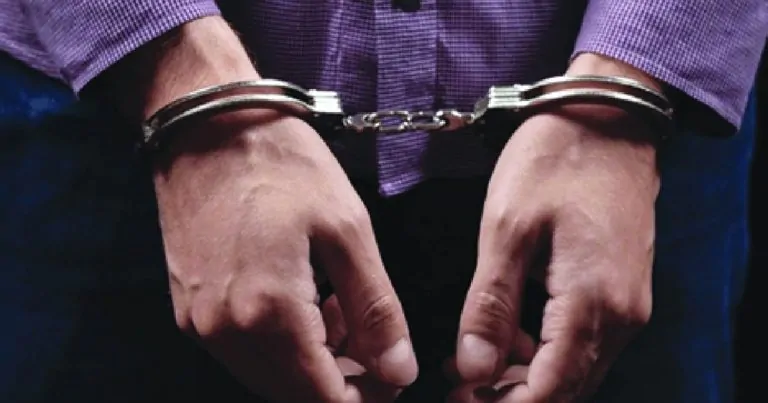
Ganesh Nepali Dies During Treatment at Bir Hospital
The 25-year-old Mugu resident died at Bir Hospital after suffering severe burns, leaving his low-income family without its main support.


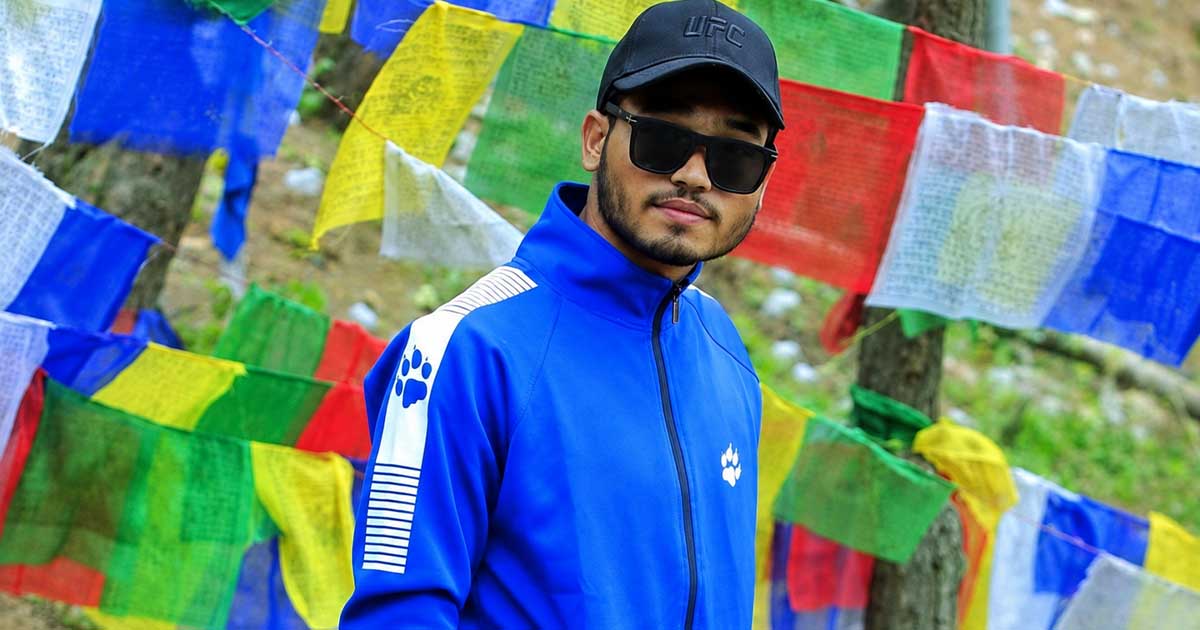
Ganesh Nepali, a 25-year-old ride-sharing worker from Soru Rural Municipality-1 in Mugu, has died while undergoing treatment for severe burn injuries at Bir Hospital in Kathmandu. His death has left a low-income family without its main source of support and brought renewed attention to the economic pressure, penalty systems and institutional treatment faced by workers struggling to survive in the capital.
Nepali had been receiving treatment in the hospital’s burn intensive care unit after attempting self-immolation in Kathmandu. Around 55 percent of his body was burned, with serious injuries to his face and airway.
His condition deteriorated further during treatment, District Police Range Kathmandu SSP Dilip Ghimire said.
Doctors had placed him on a ventilator in the burn ICU. Bir Hospital had earlier said at a press conference that his condition remained extremely unstable and that further complications could occur at any time.
Severe airway damage complicated treatment
The damage to Nepali’s respiratory tract, along with burns covering a large part of his body, made his treatment particularly difficult, doctors involved in his care said.
The hospital had formed a 21-member special medical team led by Dr Piyush Dahal, coordinator of the Department of Plastic Surgery.
The team included unit chief Dr Apar Lamichhane, critical care specialist Dr Nirman Gyawali, anesthetist Jayaprakash Thakur, Prof Dr Raviram Shrestha and health workers from the nursing service.
The scale of the medical response reflected the seriousness of his condition. But despite intensive care and the involvement of specialists from several departments, doctors were unable to stabilise him.
Preparations had also been made to take Nepali to New Delhi for further treatment. The transfer could not go ahead because his health remained too unstable for travel.
He died during treatment despite the medical team’s efforts.
A family’s loss, and a wider question
Nepali had been working through the Pathao ride-sharing platform to meet his family’s daily expenses.
His death is not only the loss of a young worker. It has taken away the support of a family already living with financial hardship.
The case also leaves a wider and uncomfortable question in Kathmandu, where thousands of workers depend on daily earnings and have little protection when financial pressure deepens. For those living from one day’s income to the next, fines, interruptions to work and encounters with state agencies are not minor administrative matters. They can directly affect food, rent and the survival of an entire household.
The planned transfer to India never became possible. The medical effort ended in the burn ICU, but scrutiny over the pressures surrounding Nepali’s final days will not end with his death.

Written by Roshan Shrestha
Roshan Shrestha is a Nepali investigative journalist and founder of Khoj Samachar, covering corruption, transparency, and public-interest issues.
What Kulman Ghising Said After the Ganesh Nepali Incident
Unpaid Traffic Fines to Block Transport Services
‘We’re Not Balen’s Police’: Kailali DSP Called In Over Viral Speech
What Allowances Do Nepal Oil Corporation Employees Get?
Kathmandu Traffic Police Fine 2,076 Drivers in 24 Hours
Balen Government at 100 Days: How Many of Its Promises Were Delivered?
Who Is Khem Bhandari and Why Was He Arrested in the Nirmala Pant Case?