Oil Prices Rise as US-Iran Tensions Flare
Fresh military escalation and attacks on commercial vessels have renewed fears over global energy supplies, with potential consequences for oil-importing countries including India.


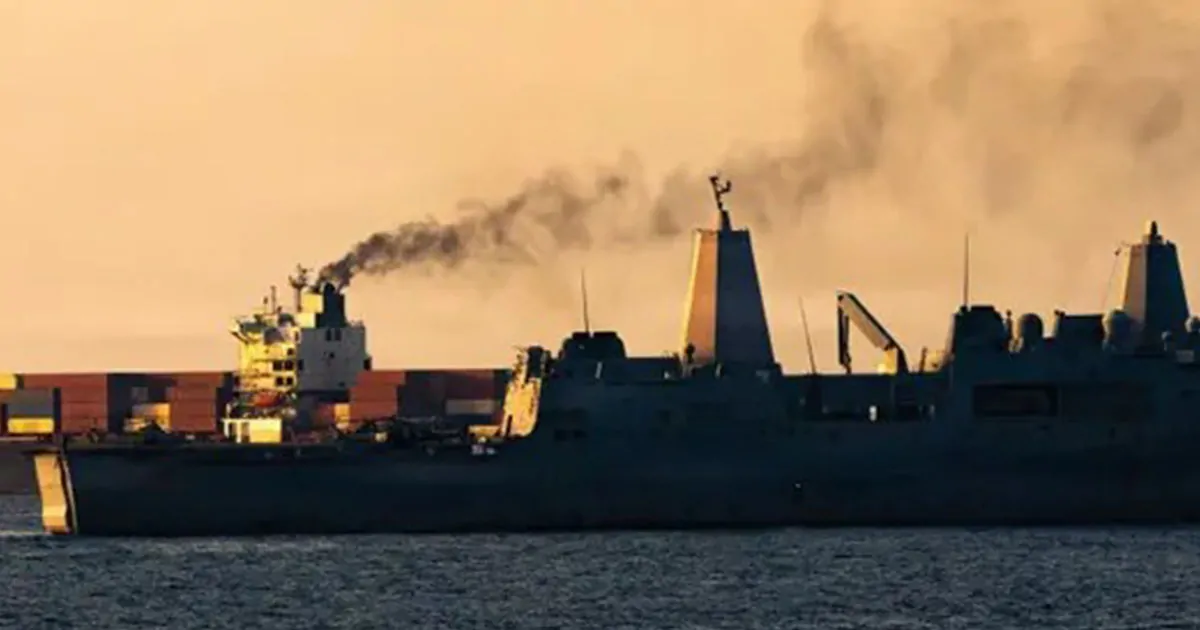
Global oil prices climbed sharply on Wednesday as military tensions between the United States and Iran intensified again, raising fresh concerns over the security of one of the world’s most critical energy corridors. The developments have unsettled energy markets beyond the Gulf, with countries heavily dependent on imported crude watching the situation closely for signs of prolonged disruption.
Military escalation pushes energy markets higher
The US military confirmed carrying out airstrikes against Iran, describing the operation as a response to attacks on three commercial vessels transiting the Strait of Hormuz. The US Central Command said assaults on international maritime trade would not be tolerated and signalled a firm military posture toward further threats in the region.
The renewed confrontation immediately fed into global commodity markets. Brent crude rose about 5.5 percent to USD 75.94 per barrel, while West Texas Intermediate (WTI) gained nearly 3 percent to trade above USD 72 per barrel. The second straight day of price increases reflected growing uncertainty over future oil supplies and shipping security.
The market reaction also underlined how quickly geopolitical developments in the Gulf can influence global fuel costs, even before any confirmed disruption to energy exports takes place.
Explosions reported near Strait of Hormuz
Iranian state media said explosions were heard around several locations near the Strait of Hormuz, including Qeshm Island, Sirik and the area surrounding Bandar Abbas. Bandar Abbas is one of Iran’s principal ports and a key gateway for maritime trade.
Qatar also accused attacks on three commercial vessels operating in the Gulf. One of them, the Qatari LNG carrier Al Rekayyat, was said to have been struck by a drone, triggering a fire in its engine room. Authorities said the crew remained safe and rescue efforts were underway.
Maritime security sources also said a large Saudi-flagged oil tanker suffered damage near the coast of Oman. The exact cause of the damage has not yet been disclosed.
Concerns over global supply routes
The Strait of Hormuz remains one of the world’s most sensitive energy chokepoints. Roughly one-fifth of globally traded crude oil passes through the narrow waterway, making any escalation in the area a direct concern for international energy markets.
Energy analysts warn that if tensions persist, both crude oil and liquefied natural gas shipments could become more expensive, with insurance, transport costs and supply risks adding pressure across global markets.
Potential impact on India
The developments are also expected to have implications for India, which imports more than 85 percent of its crude oil requirement.
If international oil prices continue to rise, India could face higher import costs, widening trade deficits and renewed pressure on domestic fuel prices. Any sustained disruption in Gulf shipping would therefore carry consequences well beyond the immediate conflict zone, affecting economies across Asia that rely heavily on energy imports.

Written by Roshan Shrestha
Roshan Shrestha is a Nepali investigative journalist and founder of Khoj Samachar, covering corruption, transparency, and public-interest issues.

Is It Illegal for Nepalis to Get an Aadhaar or PAN Card in India?

Germany: Six died in Stade Shooting

Neymar Gives $250K for Venezuela Earthquake Victims

Kolkata Warehouse Collapse Update: 5 Dead, 2 Arrested

Colombia Beat Uzbekistan 3-1 in World Cup Opener

6.7-Magnitude Earthquake Shakes Indonesia’s Sulawesi

Saudi Arabia vs Uruguay Ends 1-1