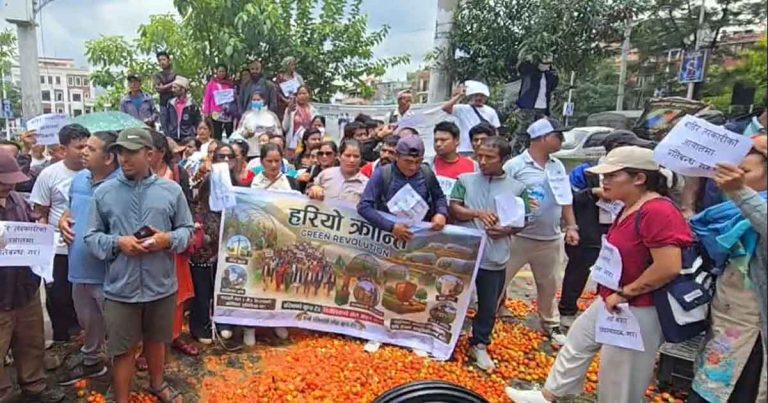
Kulman Ghising Raises Questions After Bhesraj Darji Death
Following the death of Bhesraj Darji in a Kirtipur holding centre, Kulman Ghising has urged the government to prioritize rehabilitation, housing, healthcare and basic services for displaced riverbank residents.


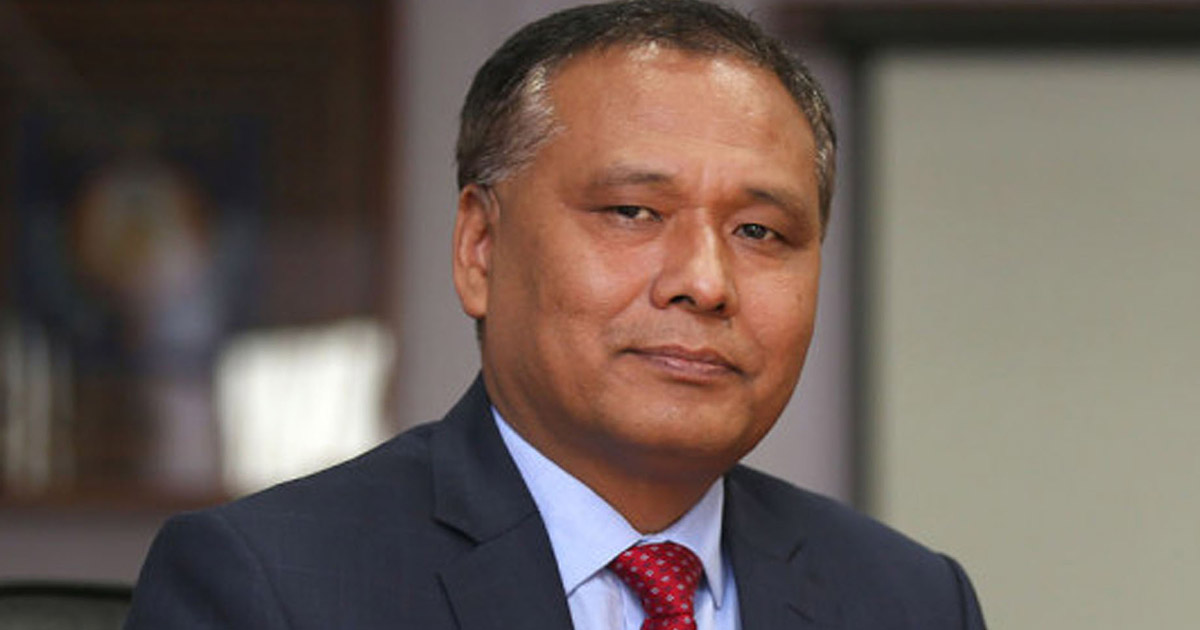
The death of 36-year-old Bhesraj Darji at a holding centre in Kirtipur has renewed scrutiny of the government’s campaign to clear settlements along riverbanks in the Kathmandu Valley. For many of the families removed from those settlements, the issue is no longer only about land management or urban planning. It has become a question of how the state treats people after displacement and whether adequate safeguards exist for those pushed out of their homes.
Ujyalo Nepal Party chair Kulman Ghising has expressed concern over the incident, saying the death should not be viewed as an isolated tragedy but as part of a wider humanitarian issue affecting displaced citizens.
In a statement shared through social media, Ghising paid tribute to Darji and extended condolences to the bereaved family.
He said the government moved ahead with eviction drives targeting informal and landless settlements along Kathmandu Valley river corridors without first putting in place a clear and practical plan for the management and rehabilitation of affected families. According to him, the resulting displacement has already led to the deaths of three people, a situation he described as deeply distressing.
Questions Over Care and Support
Ghising referred to information that has surfaced regarding Darji’s health condition, stating that he had long been suffering from serious medical complications and required specialized treatment.
He argued that concerns over whether timely treatment and adequate care were provided raise serious questions about the state’s responsibility toward those living in temporary facilities after being displaced. The incident, he said, highlights the vulnerability of people relocated to holding centres and the need for stronger support systems.
The debate surrounding the riverbank eviction campaign has increasingly shifted beyond the legality of settlements and toward the conditions faced by families after removal. Rehabilitation, health care access and basic living standards have become central concerns for those affected.
Call for Rehabilitation to Be Prioritized
Ghising said the same level of urgency shown in clearing settlements should be reflected in efforts to rehabilitate displaced families and ensure dignified living conditions.
He urged the government to guarantee:
- Safe housing for displaced households
- Accessible health services
- Reliable drinking water and sanitation facilities
- Basic conditions necessary for a dignified life
He also called for immediate measures to improve conditions at the holding centres where displaced residents are currently staying.
According to Ghising, the state’s responsibility does not end with removing people from settlements. Any decision that leaves citizens without homes must be accompanied by protection of their lives, health and fundamental human rights.

Written by Pushpa Tamang
Pushpa Tamang is Managing Editor at Khoj Samachar, leading English and Nepali bureaus, newsroom operations, and editorial standards.
Heavy Monsoon Rain Raises Flood Risk Across Nepal
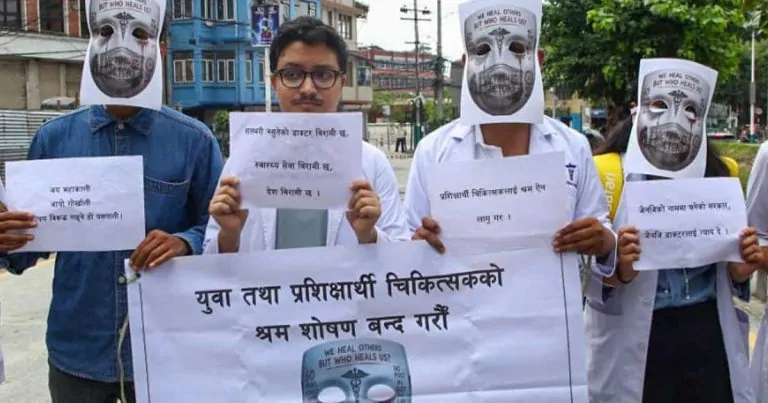
Young Doctors Demand Legal Limits on Hospital Duty Hours
Heavy Monsoon Rain Puts Nepal on Alert
Health Minister Mehta Promises Better Healthcare for Minorities
National ID Now Required for Old Bank Accounts in Nepal
Saptakoshi Flood Rises, 21 Koshi Barrage Gates Opened
Why Are Protests Spreading Everywhere Across Nepal Right Now?