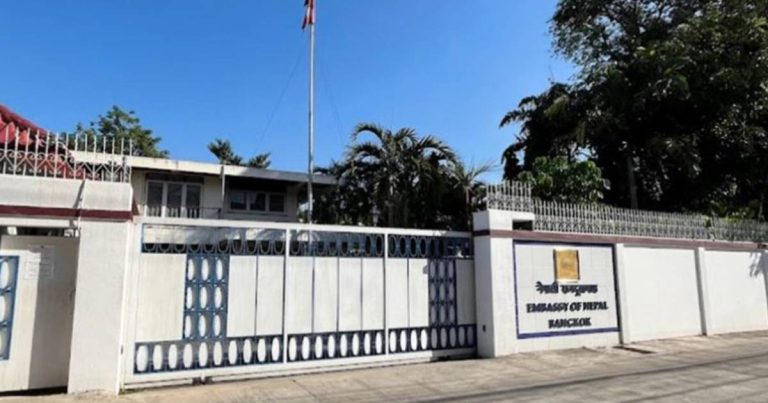
453 Nepalis Rescued from India, Probe Underway
Hundreds of Nepalis brought back from Kushinagar in Uttar Pradesh are being questioned as investigators examine possible human trafficking and organized fraud networks.


A large-scale rescue operation involving 453 Nepali nationals from Kushinagar in India’s Uttar Pradesh has prompted an investigation into possible human trafficking and organized fraud networks operating across the Nepal-India border. The group was brought back to Nepal through the Belahiya border point in Rupandehi on Saturday morning after coordination between Indian and Nepali authorities.
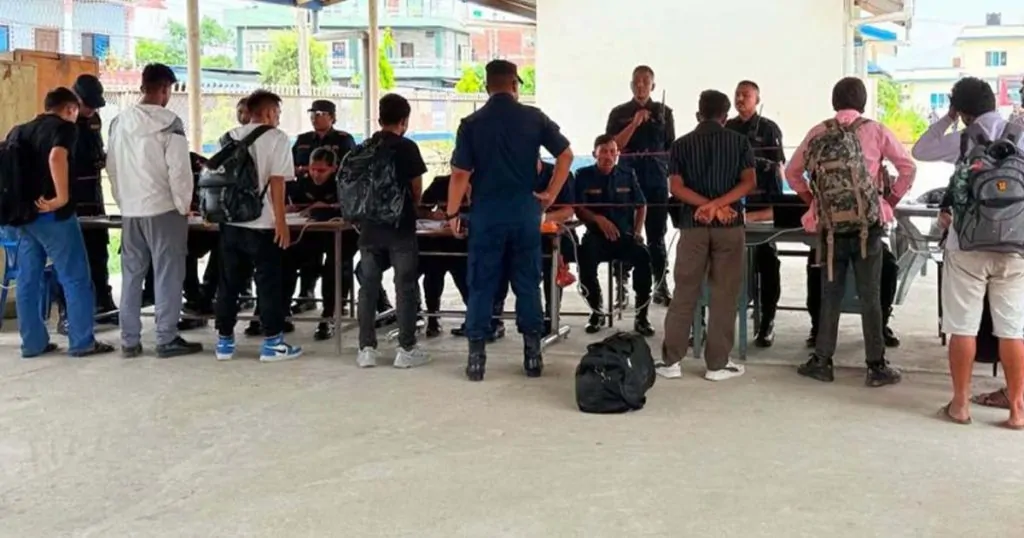
Police say many of those rescued are young men and women, with women making up nearly half of the group. They are currently being kept under the supervision of the District Police Office in Rupandehi while officers verify their identities, addresses and personal details.
The sheer number of people found together in a foreign location has drawn attention from investigators, who are now trying to establish how they were recruited and transported across the border.
Promises of Jobs Under Scrutiny
Initial findings suggest the individuals were taken to India after being offered employment opportunities and other incentives. Once there, some were allegedly kept under the pretext of receiving training, while others may have been involved in activities linked to collecting membership fees and recruiting new participants.
Police have not yet disclosed the identity of the group or individuals behind the operation. Investigators are examining whether the case involves human trafficking, organized deception, or a network operating under the cover of employment and training programs.
Officials say it remains unclear who coordinated the movement of such a large number of Nepalis and what the ultimate objective was.
Eight Buses Used for Repatriation
All 453 rescued individuals were transported back to Nepal in eight Indian buses.
Authorities are collecting information related to their journeys, family backgrounds and current health conditions before proceeding with legal and administrative procedures. Statements from those rescued are expected to play a key role in determining the full nature of the case.
Police are also working to identify the planners and key figures believed to be behind the operation.
Investigation Focuses on Trafficking and Fraud
The incident has once again highlighted the vulnerability of Nepalis seeking opportunities outside their communities, particularly when recruitment promises are made through informal channels.
For investigators, the immediate priority is understanding how hundreds of people ended up in the same location in India. For policymakers and law enforcement agencies, the case is a reminder of the continuing risks posed by cross-border networks that exploit hopes of employment, training or financial gain.
Authorities say the rescued individuals are expected to be reunited with their families after the preliminary phase of the investigation is completed.

Written by Roshan Shrestha
Roshan Shrestha is a Nepali investigative journalist and founder of Khoj Samachar, covering corruption, transparency, and public-interest issues.
9 Detained After 453 Nepalis Rescued from India

What Is MoFA Mitra App and How to Use It?
Durga Prasai Remanded for Three Days in Anti-State Case

Probe Begins After iPad Found With Sulabh Agrawal in Custody

Nepal Apologises After False Claim on Amrit Jha’s Release
Kathmandu Youth Arrested for Threatening Dailekh Ward Secretary
Labour Ministry Raids Manpower Firm in Lalitpur