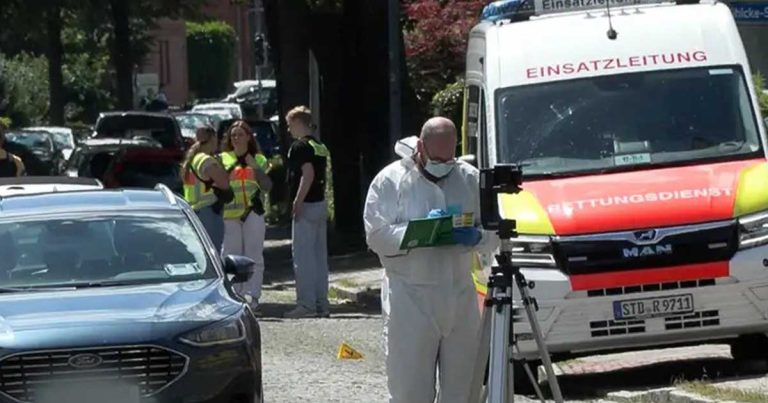
Himachal Panchayat Campaign Ends May 24 Before Voting
Public campaigning for the first phase of Himachal Pradesh’s Panchayati Raj elections will stop at 5 pm on May 24 before voting begins on May 26.


Himachal Pradesh’s three-phase Panchayati Raj elections have entered their final campaign stretch, with villages across the state witnessing intense political activity ahead of the first round of voting on May 26. Public campaigning for the first phase will officially end at 5 pm on May 24, after which candidates will only be allowed to conduct door-to-door outreach and private meetings with voters.
The rural election atmosphere has become increasingly charged in recent days, with local promises, development agendas and community alliances shaping the final phase of campaigning in many districts.
The State Election Commission has already announced the full polling schedule. Voting for the second phase will take place on May 28, while the third and final phase is scheduled for May 30. Counting for the posts of pradhan, up-pradhan and ward members will begin immediately after polling on the same day, while the final results for Panchayat Samiti and Zila Parishad members are expected on May 31.
Youth Presence Reshaping Rural Politics
One of the most visible shifts in this election has been the growing presence of younger voters and candidates in village politics. More than 52,000 voters will cast ballots for the first time in the Panchayati Raj elections this year.
Across Himachal Pradesh, around 5.079 million voters are eligible to participate in the elections.
In several Panchayats, younger candidates are directly challenging long-established local political networks. New faces are contesting for positions ranging from pradhan to up-pradhan, reflecting a broader generational transition in rural leadership.
The elections are being held across 3,758 Panchayats, with thousands of candidates competing for different local bodies and ward-level positions.
Still, elections will not be required everywhere.
Hundreds of candidates for pradhan, up-pradhan and ward member posts have already been elected unopposed. In some areas, this is being viewed as a sign of local political consensus. In others, it has raised questions about the absence of electoral competition.
Sharp Differences Between Districts
The scale of the election varies dramatically across districts.
Kangra remains the state’s largest electoral district with nearly 1.2 million voters, while Lahaul-Spiti has the smallest voter base in the state. Some Panchayats have thousands of registered voters, while certain wards have fewer than 25.
The contrast reflects the social and geographical diversity of Himachal’s rural political landscape.
Election officials and district administrations say preparations for peaceful voting have been completed. Polling teams are undergoing final rehearsals before being dispatched to their assigned voting centres.
With campaign time now running out, Himachal’s villages are entering the last political sprint before polling day. Roads, water supply, jobs, local leadership and access to development remain central issues in many rural areas as candidates make their final push for votes.

Written by Pushpa Tamang
Pushpa Tamang is Managing Editor at Khoj Samachar, leading English and Nepali bureaus, newsroom operations, and editorial standards.

South Korean Sailor Found Dead Near Northern Sea Border

US-Iran Clash Raises Gulf Alarm After Drone Attacks

Iran-America War Update: Hormuz Strait Closed
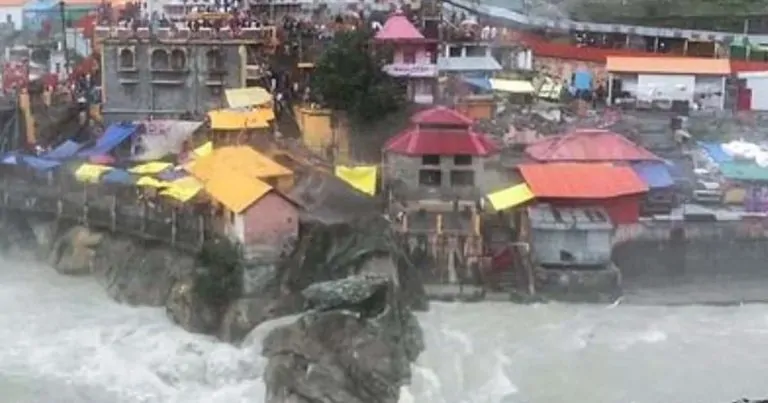
Heavy Rain Triggers Landslides in Uttarakhand
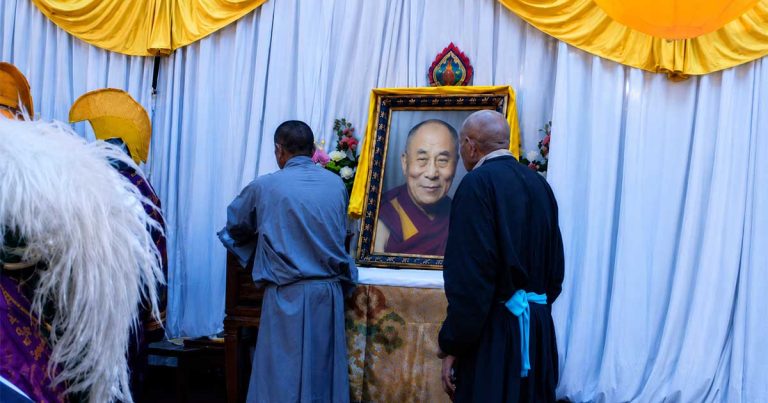
Dalai Lama Birthday Controversy in Nepal: Tibet-China Risk Explained

Oil Prices Rise as US-Iran Tensions Flare
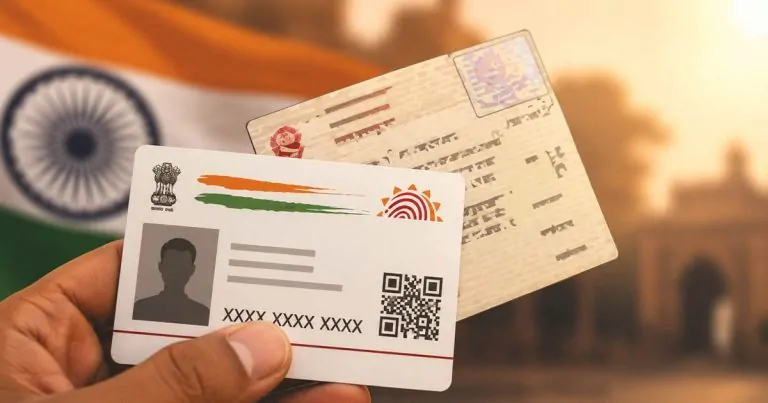
Is It Illegal for Nepalis to Get an Aadhaar or PAN Card in India?