Asim Shah Reacts to Possible Gen Z Boycott of Talks
The task force coordinator called for constructive participation after some youth representatives raised concerns ahead of the meeting



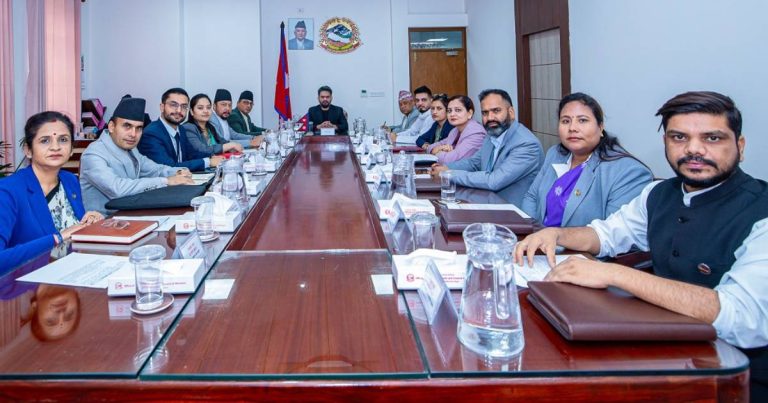
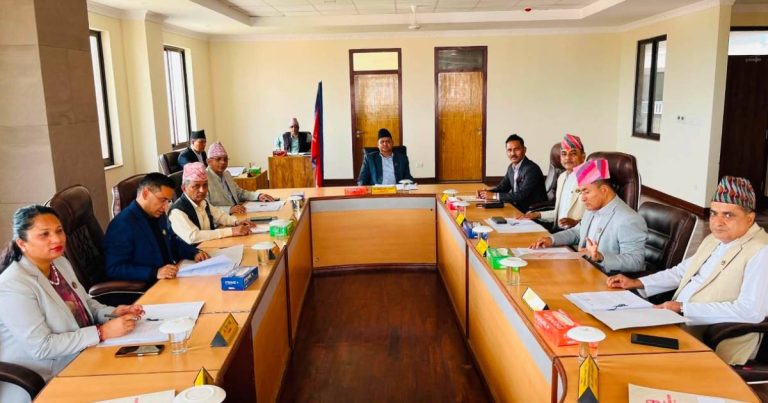
A government task force formed to prepare a discussion paper on constitutional amendment has urged members of the Gen Z community to join a planned dialogue and avoid confusion surrounding the consultation process.
The appeal came ahead of a discussion scheduled for 5 pm, after some youth representatives expressed dissatisfaction and hinted at a possible boycott over agreements reached with a previous government. Officials involved in the process said the upcoming meeting is focused solely on collecting suggestions related to constitutional reform and should not be mixed with other political concerns.
The task force, which has been holding consultations with various stakeholders since late March, said meaningful participation from younger generations is essential as Nepal moves forward with discussions on governance reform, the electoral system, and federalism.
Task Force Clarifies Purpose of Gen Z Consultation
According to the Prime Minister’s Secretariat, task force coordinator Asim Shah said the primary objective of the committee is to finalize a comprehensive discussion paper by gathering views from all concerned groups, including young citizens.
He clarified that the consultation with Gen Z representatives was arranged as part of that broader effort and is intended to ensure wider public participation in the constitutional amendment process.
The clarification came after concerns emerged from some invited participants regarding earlier agreements signed during the tenure of a previous administration. Some representatives had publicly questioned whether those commitments had been implemented and raised concerns about taking part in the latest dialogue.
Shah stated that those earlier agreements are already in the implementation phase and that work related to the formation of a Gen Z council has reached its final stage.
Government Seeks Broader Participation in Constitutional Reform
Officials involved in the process said the constitutional amendment discussion is being carried out under the government’s 100-point action plan.
The consultation process is expected to focus on major national issues, including the system of governance, the electoral structure, and the future of federalism. The task force believes that reaching a shared understanding on these topics requires participation from a wide range of communities and age groups.
Representatives from multiple political parties are included in the committee overseeing the discussions. The group has emphasized that younger generations should play a meaningful role in shaping constitutional reforms so that all sections of society feel represented in the final outcome.
The government has repeatedly highlighted the importance of public ownership in any constitutional amendment effort, particularly on issues that could affect the country’s long-term political structure.
Concerns Raised Over Discussion Format
Ahead of the scheduled meeting, some Gen Z representatives questioned the format of the discussion and raised concerns over the amount of time allocated for participants to speak.
Responding to those concerns, Shah said there has been misleading information circulating about the event. He insisted that no participant’s voice would be ignored during the consultation process.
The task force has arranged separate time for both verbal and written submissions so participants can share their views in different ways. Officials said the structure was designed to ensure that as many suggestions as possible could be included in the final discussion paper.
Shah also urged invitees not to be influenced by political disputes or confusion surrounding the event. He called on participants to focus on their rights and responsibilities and contribute constructively to the national discussion.
Consultations With Experts Already Completed
The task force began its consultation process on April 8 and has already held discussions with several groups connected to constitutional and governance issues.
According to officials, consultations have so far been completed with constitutional experts, former bureaucrats, and media professionals. More meetings with additional stakeholders are planned in the coming days.
The committee believes broader consultation will help produce a more balanced and practical discussion paper before any formal constitutional amendment proposal moves forward.
Government officials involved in the process have indicated that collecting diverse opinions remains a central part of the strategy. They say recommendations gathered from various sectors will help identify areas where broader political and public consensus may be possible.
Focus on Governance, Electoral System and Federalism
Among the key issues expected to dominate the constitutional amendment debate are Nepal’s governing structure, the electoral system, and the implementation of federalism.
These subjects have remained at the center of political discussions for years, with different political actors proposing changes aimed at improving governance and representation.
The current consultation process is intended to gather public and expert feedback before any concrete amendment proposals are finalized. Officials say involving young citizens in those conversations is particularly important because the decisions could shape the country’s future political direction for decades.
The task force believes participation from younger generations can bring fresh perspectives to debates that have traditionally been dominated by senior political leaders and institutional figures.
Task Force Calls for Constructive Engagement
As the scheduled consultation approaches, the committee has appealed for calm and constructive participation from all invited groups.
Officials said the consultation should be viewed as an opportunity for dialogue rather than a political confrontation. The task force also stressed that disagreement and criticism can still be expressed within the discussion process itself.
By encouraging both written and oral participation, the committee hopes to create a platform where different views can be presented openly and respectfully.
The constitutional amendment discussion is expected to continue with further consultations involving additional stakeholders in the weeks ahead, as the government seeks to build broader consensus on key national issues.


Written by Roshan Shrestha
Roshan Shrestha is a Nepali investigative journalist and founder of Khoj Samachar, covering corruption, transparency, and public-interest issues.
Nepal Government to Print National ID Cards Itself
Everything You Need to Know About the 2026/27 National Budget

Singha Durbar Toilets Remain in Poor Condition
Manoj Kumar Sharma Set to Become Nepal’s Chief Justice

Koshi Police Honors Inspector Sagar Sah for Innovative Policing
Lumbini Province Plans to Reduce Ministries to Eight
Nepal Moves National Investigation Department to PM Office