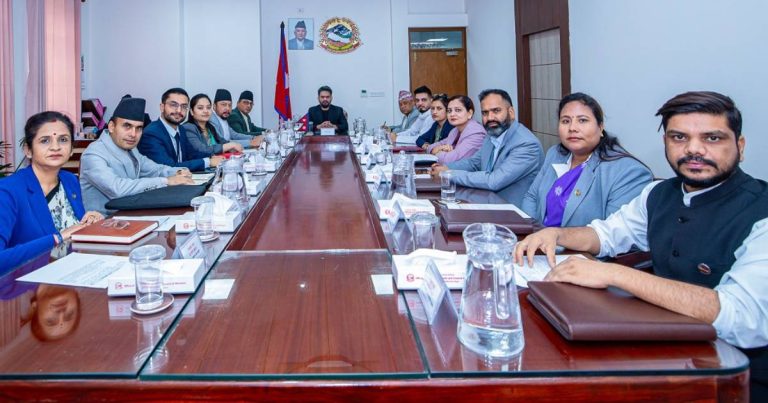
Nepal Moves National Investigation Department to PM Office
The Cabinet has approved a new administrative structure placing the National Investigation Department under the Prime Minister’s Office once again


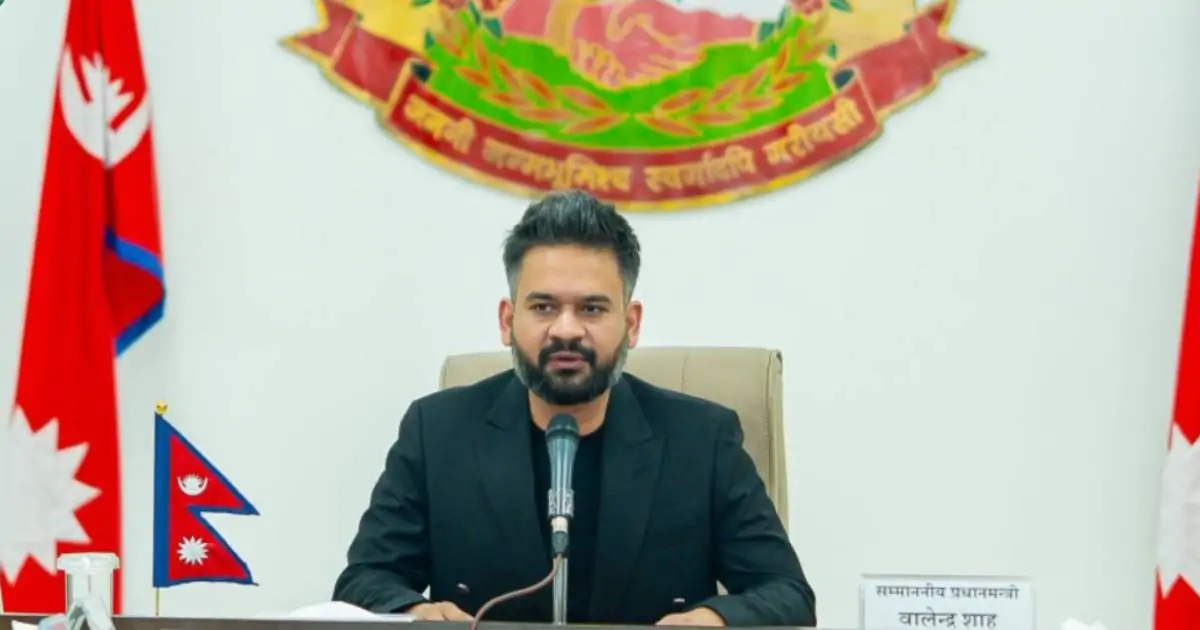
The Nepal government has once again placed the National Investigation Department under the Office of the Prime Minister and Council of Ministers, marking another major administrative shift in the country’s security and governance structure.
The decision was approved during a Cabinet meeting held on Wednesday through the endorsement of the Government of Nepal Allocation of Business Rules 2026. With the latest revision, the Prime Minister’s Office has also expanded its jurisdiction, now overseeing 48 agencies and areas of responsibility.
The move brings back a structure that had previously existed during an earlier administration, before later governments reassigned several departments to their respective ministries.
Cabinet Approves Administrative Restructuring
The Cabinet approved the revised business allocation rules as part of a broader restructuring of government responsibilities. Under the newly endorsed framework, the National Investigation Department has officially been moved from the Home Ministry back to the Office of the Prime Minister and Council of Ministers.
The change represents a significant adjustment in the management of state intelligence and administrative coordination. The Prime Minister’s Office will now directly supervise the department as part of its expanded operational responsibilities.
Officials also confirmed that the Prime Minister’s Office now includes 48 different agencies and work areas under its authority following the latest revision.
Prime Minister’s Office Expands Its Role
The revised rules have considerably widened the scope of the Prime Minister’s Office. The expansion reflects a growing concentration of administrative oversight within the office responsible for coordinating government operations at the highest level.
The addition of the National Investigation Department is being viewed as one of the most notable changes under the updated framework. The department plays a key role in intelligence gathering and internal security coordination, making its placement within the government structure politically and administratively significant.
The new arrangement also highlights the continuing adjustments being made to how sensitive government institutions are managed and supervised.
Previous Government Had Made Similar Decision
This is not the first time the National Investigation Department has been placed under the Prime Minister’s Office.
During an earlier administration led by Prime Minister KP Sharma Oli, a decision taken on February 28, 2019 moved the National Investigation Department, the Department of Money Laundering Investigation, and the Revenue Investigation Department under the Office of the Prime Minister and Council of Ministers.
At the time, the move was presented as part of efforts to strengthen central coordination and oversight of key state agencies.
The latest Cabinet decision effectively restores part of that earlier structure by once again shifting the National Investigation Department back under direct supervision of the Prime Minister’s Office.
Departments Were Later Returned to Ministries
The arrangement introduced during the Oli administration did not remain permanent.
After the rise of the Gen Z movement, the government led by Sushila Karki decided on September 25, 2025 to return several departments to their parent ministries.
Under that decision:
- The National Investigation Department was returned to the Home Ministry
- The Department of Money Laundering Investigation was shifted back to the Finance Ministry
- The Revenue Investigation Department was also returned to the Finance Ministry
The reversal was seen as an effort to decentralize authority and place departments back under their sector-specific ministries.
National Investigation Department Shifted Again
With the latest Cabinet endorsement, the National Investigation Department has once again changed its reporting structure.
Unlike the earlier restructuring, the current decision only involves the National Investigation Department. The available details do not indicate any fresh changes regarding the Department of Money Laundering Investigation or the Revenue Investigation Department.
The repeated transfer of the department between ministries and the Prime Minister’s Office reflects ongoing debates within the government over how intelligence and sensitive investigations should be supervised.
Such administrative changes can influence coordination between ministries, reporting mechanisms, and overall decision-making processes within the government system.
Political and Administrative Significance
The decision carries both political and administrative importance because the National Investigation Department is directly connected to national security and intelligence operations.
Bringing the department under the Prime Minister’s Office places it closer to the country’s central executive authority. Supporters of such arrangements often argue that direct oversight can improve coordination and response efficiency at the highest level of government.
At the same time, the repeated restructuring over the years shows how different administrations have adopted different approaches toward handling key state institutions.
The latest move also signals the government’s intention to strengthen the role of the Prime Minister’s Office in supervising strategic departments and national-level administrative functions.
Government Continues Institutional Realignment
The approval of the new business allocation rules demonstrates the government’s continuing effort to reorganize institutional responsibilities across ministries and central offices.
By expanding the scope of the Prime Minister’s Office and reassigning the National Investigation Department, the Cabinet has introduced another important change in Nepal’s administrative structure.
The decision is expected to shape how intelligence coordination and high-level government oversight function in the coming period, while also continuing a pattern of institutional realignment seen under successive administrations.


Written by Roshani Shrestha Pathak
Roshani Shrestha Pathak is the English Bureau Chief at Khoj Samachar, overseeing English-language editorial operations and newsroom coordination.
Nepal Government to Print National ID Cards Itself
Everything You Need to Know About the 2026/27 National Budget
Singha Durbar Toilets Remain in Poor Condition
Manoj Kumar Sharma Set to Become Nepal’s Chief Justice

Koshi Police Honors Inspector Sagar Sah for Innovative Policing

Asim Shah Reacts to Possible Gen Z Boycott of Talks
Lumbini Province Plans to Reduce Ministries to Eight