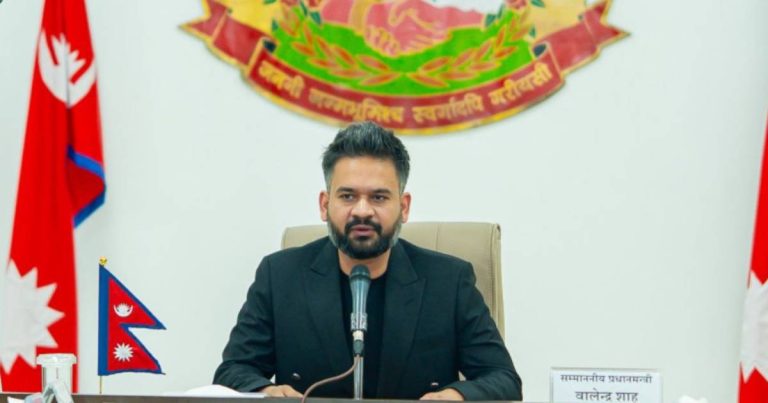
Balen Shah Government Cuts Ministries to Reform Administration
The federal government has reduced ministries from 22 to 18 as part of a wider effort to improve efficiency and lower public spending


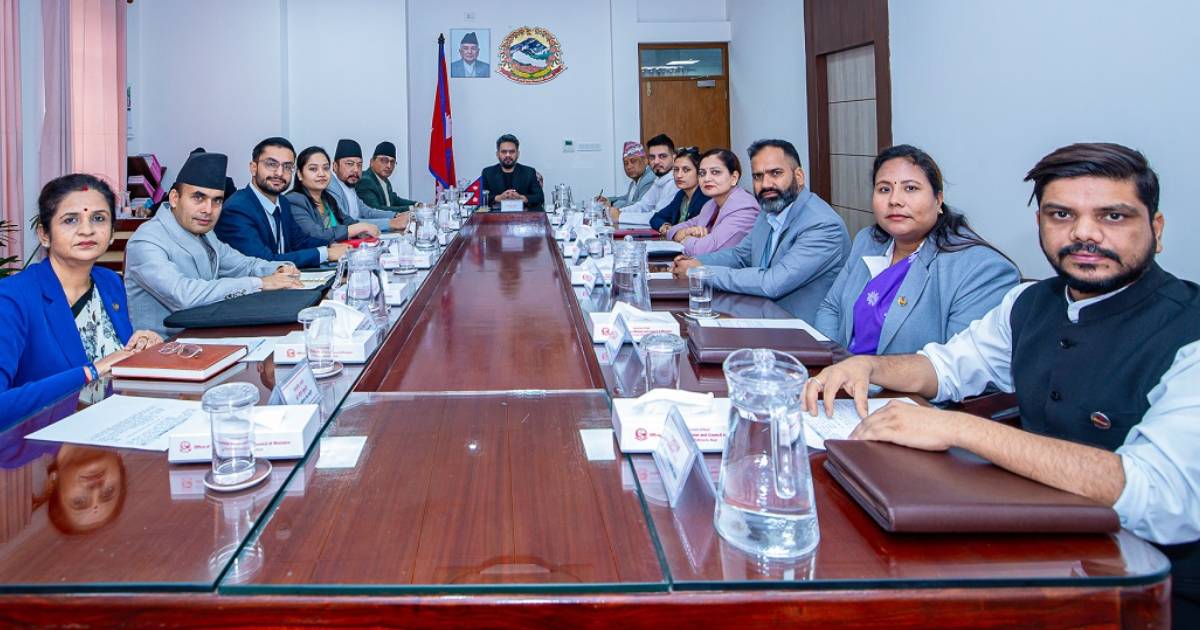
The government led by Prime Minister Balen Shah has moved ahead with a long-discussed administrative reform by reducing the number of federal ministries from 22 to 18, a decision that experts say could reshape the structure of Nepal’s public administration if implemented effectively.
The Cabinet approved the restructuring on Wednesday and also completed the redistribution of ministerial responsibilities. The move comes less than two months after the new government took office and follows years of recommendations from multiple administrative reform commissions formed after the 2015 constitution.
Officials say the main goals behind the ministry reduction are to improve service delivery, cut government spending, and streamline overlapping responsibilities inside the federal system. However, questions remain over how employees will be managed and whether the restructuring will lead to long-term reforms beyond symbolic changes.
Government Pushes Ahead With Administrative Reform
According to Cabinet Secretary Govinda Bahadur Karki, the restructuring is part of a broader effort to make the federal government more efficient and financially disciplined.
He said the reduction in ministries is expected to decrease operational costs linked to ministers and ministerial secretariats while also simplifying decision-making processes across government agencies.
Karki clarified that no employees or secretaries from the existing ministries will immediately lose their positions. For now, the immediate impact will mainly be seen in the reduction of ministerial offices and political appointments attached to them.
The government also plans to merge departments, divisions, and subordinate agencies that currently perform similar responsibilities under different ministries.
Officials Aim to Reduce Duplication and Expenses
Government officials argue that many public institutions currently perform overlapping duties, creating delays, duplication of work, and confusion over accountability.
The restructuring aims to address these issues by combining institutions with similar functions into smaller and more focused administrative structures.
Karki said the government intends to gradually manage excess staff by reallocating employees where needed, particularly in provincial structures.
- The number of ministries has been reduced from 22 to 18
- Departments and divisions under ministries are expected to be merged
- Excess employees may be reassigned to provincial offices
- Vacant positions could be reduced or adjusted over time
- The government plans to study long-term staffing and cost impacts later
He added that the federal government’s larger objective is to improve public service delivery while lowering recurring state expenses.
Past Reform Model Seen as Reference Point
Former bureaucrats say the current government appears to be following a model similar to reforms introduced in 1991, when the state significantly reduced the size of the civil service.
At that time, the government reportedly reduced the number of public employees from around 102,000 to approximately 77,000 within six months as part of an administrative efficiency drive.
Former secretary Krishna Hari Baskota said a special administrative reform monitoring committee had been formed during that period under the leadership of Goraksha Bahadur Pradhan.
The reform process included consultations with ministries and detailed organizational and management surveys to determine the required workforce in each institution.
Baskota explained that permanent civil servants were not directly dismissed because they had been recruited through the Public Service Commission. Instead, surplus employees were placed under reserve administrative arrangements and later reassigned when vacancies emerged elsewhere.
The government at that time also stopped new recruitment in vacant positions, allowing employee numbers to decline gradually through retirement and transfers.
Questions Remain Over Employee Management
Although the ministry restructuring has officially begun, the government has not yet completed a detailed study on staffing requirements, departmental mergers, or the exact number of positions that may eventually be reduced.
Karki acknowledged that a comprehensive framework for employee management is still under preparation.
He said the restructuring process will eventually include reviews of departments, divisions, and public agencies working under the ministries. The government also plans to examine how many employees are actually needed in each office.
According to officials, future decisions will likely focus on reallocating staff rather than immediate reductions.
The government is also considering matching employees with available positions based on necessity while reducing unnecessary vacancies over time.
Experts Support Reform but Raise Concerns
Former secretary Krishna Gyawali described the decision to reduce ministries as a positive step, particularly praising the creation of a ministry that combines science, technology, and innovation.
He said the move could improve efficiency and strengthen the government’s ability to deliver specialized services.
However, Gyawali questioned some of the merger decisions made by the government.
He argued that combining the land management ministry with general administration may not be the most logical arrangement. In his view, land management would fit more naturally alongside agriculture-related responsibilities.
He also suggested that if a separate general administration ministry is not retained, its functions could instead be managed directly under the Office of the Prime Minister.
Reform Must Go Beyond Ministry Reduction
Administrative experts say reducing the number of ministries alone will not be enough to achieve meaningful reform.
Gyawali stressed that the government must also clearly define the responsibilities of departments and agencies and establish proper job descriptions for employees.
He recommended carrying out organizational and management surveys across all public institutions within a fixed timeline to determine the actual workforce needed in different sectors.
According to him, immediate dismissal of civil servants is neither practical nor legally straightforward. Instead, unnecessary staff could be temporarily placed in reserve positions and reassigned where required.
He also supported a gradual reduction strategy by avoiding recruitment in vacant posts and decreasing staff numbers over time through retirement and transfers.
At the same time, he noted that newly established ministries may require technical experts, meaning some limited recruitment or internal staff transfers could still be necessary.
Long-Term Success Will Depend on Implementation
While the government’s decision has been welcomed as a rare attempt to address long-standing administrative inefficiencies, officials and former bureaucrats agree that the real challenge lies ahead.
The restructuring process will require careful coordination, detailed workforce studies, and clear institutional responsibilities to avoid confusion during implementation.
For now, the reduction in ministries represents one of the earliest major structural decisions taken by the Balen Shah government and signals a broader attempt to reshape the federal administration into a smaller and more cost-effective system.
Whether the reform ultimately improves governance and public service delivery will depend on how effectively the government manages employee adjustment, institutional restructuring, and long-term administrative planning.


Written by Pushpa Tamang
Pushpa Tamang is Managing Editor at Khoj Samachar, leading English and Nepali bureaus, newsroom operations, and editorial standards.
Nepal Government to Print National ID Cards Itself
Everything You Need to Know About the 2026/27 National Budget

Singha Durbar Toilets Remain in Poor Condition
Manoj Kumar Sharma Set to Become Nepal’s Chief Justice

Koshi Police Honors Inspector Sagar Sah for Innovative Policing

Asim Shah Reacts to Possible Gen Z Boycott of Talks
Lumbini Province Plans to Reduce Ministries to Eight