Lawmakers Urge Action Over Nepal Tea Export Crisis
Parliament members call for urgent diplomatic talks with India as tea farmers, workers and exporters face growing uncertainty


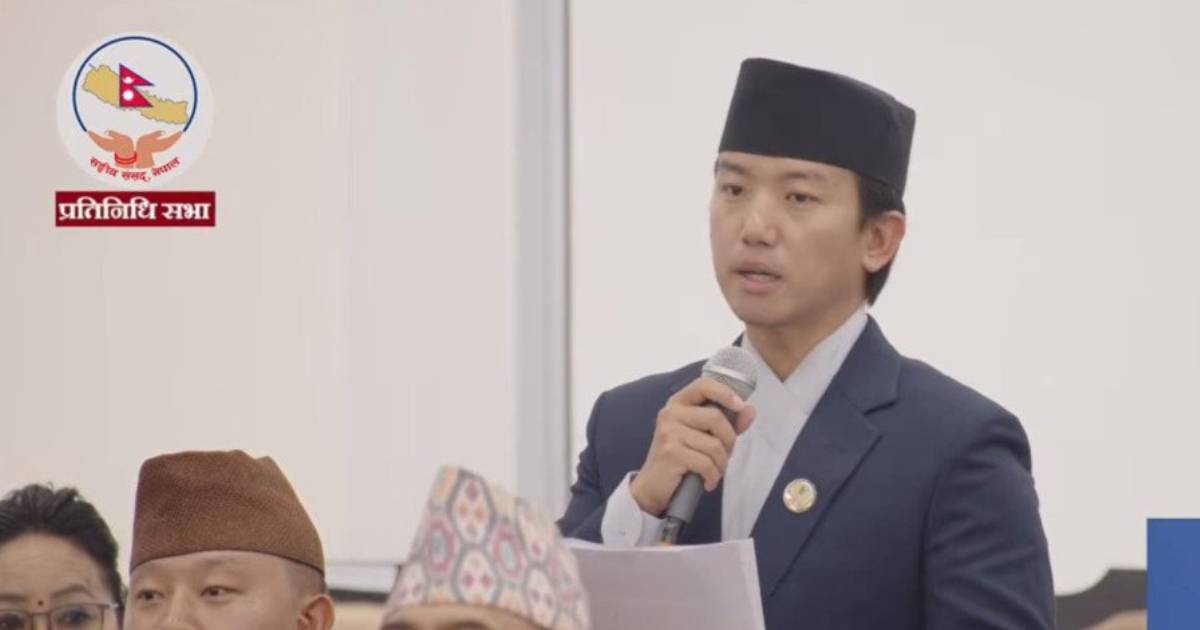
Lawmakers in Nepal’s House of Representatives on Wednesday urged the government to begin immediate diplomatic talks with India after tea exports from the country came to a halt, raising concerns over the growing pressure on farmers, workers and tea industries.
During the zero hour session of the lower house, several members of parliament warned that the disruption in tea exports could seriously affect thousands of people connected to the tea sector as well as the national economy. They called on the government to take urgent action to resolve the issue and protect producers facing uncertainty.
Parliament Raises Concern Over Tea Export Crisis
Members of the House of Representatives strongly voiced concern after tea exports were reportedly disrupted following a recent policy introduced by the Tea Board of India.
Lawmakers said the situation has created major difficulties for tea farmers, labourers, factory operators and exporters who depend heavily on cross-border trade. The issue was discussed during the parliamentary zero hour session, where representatives demanded immediate intervention from the government.
The matter gained attention as lawmakers warned that prolonged disruption in tea exports could weaken economic activities linked to Nepal’s tea industry.
Call for Immediate Diplomatic Initiative With India
Member of Parliament Suhang Nembang said the latest policy introduced by the Tea Board of India had directly affected tea exports from Nepal and created uncertainty in the sector.
Speaking in the House, he said the disruption was not only harming farmers and industrialists but also affecting the broader economy. He urged the government to immediately begin diplomatic discussions with the Indian government in order to remove barriers affecting tea exports.
Nembang also stressed the need for long-term protection policies for tea farmers and business operators. According to him, the government should not delay action while thousands of people connected to the tea sector continue to face difficulties.
- Lawmakers demanded immediate diplomatic engagement with India
- Concerns were raised over the impact on tea farmers and workers
- Parliament called for policies to protect the tea industry
Tea Industry Pressure Highlighted in Parliament
During the parliamentary discussion, lawmakers repeatedly mentioned that the tea export issue has created pressure across different levels of the industry.
Representatives said tea farmers are struggling due to uncertainty in exports, while workers and industrialists are also being affected by the slowdown. Exporters linked to the trade have reportedly faced operational difficulties following the restrictions.
Lawmakers argued that the government must treat the matter seriously because the tea sector supports a large number of livelihoods. They also stressed that the issue was becoming a national economic concern rather than only a business problem.
Questions Raised Over Fertiliser Supply and Melamchi Water
Another member of parliament, Sunil KC, raised separate concerns related to agriculture and public services during the same parliamentary session.
He asked the government to ensure that farmers receive fertiliser on time and in sufficient quantity. According to him, delays and shortages continue to affect agricultural activities and create problems for farmers.
KC also questioned how much longer residents of Kathmandu would have to wait to receive water from the Melamchi project. He demanded a clear response from the government regarding the delay in supplying water to the capital’s residents.
The lawmaker said the public deserved transparency and accountability on issues that directly affect daily life.
Concern Over Occupation of Public Land in Tinkune
During his remarks, KC also brought attention to the long-standing occupation of public land in the Tinkune area.
He questioned how long public property would continue to remain under occupation and argued that the matter required clarification from the authorities. The lawmaker said former prime ministers and ministers should appear in parliament and explain the issue clearly.
The comments added another layer to Wednesday’s parliamentary discussions, where lawmakers from different parties used the zero hour session to raise concerns linked to governance, infrastructure and public accountability.
Border Villages Facing Development Neglect
Member of Parliament Sureshkumar Chaudhary also used the parliamentary session to highlight problems faced by settlements near the Indian border.
He said many villages in border regions still lack basic infrastructure and public services. According to him, roads, electricity, healthcare, education and communication facilities have not properly reached several settlements in those areas.
Chaudhary stated that some villages appeared isolated due to the absence of development projects. He particularly referred to border areas in Bardiya and Banke, where local residents continue to face multiple challenges.
The lawmaker urged the government to speed up infrastructure development in those regions and address the concerns of people living near the border.
Government Urged to Address Multiple Public Concerns
The parliamentary session reflected growing pressure on the government over several public issues ranging from trade and agriculture to infrastructure and regional development.
Lawmakers from different areas raised concerns connected to farmers, industrial workers, urban residents and people living in remote border settlements. While the tea export crisis became one of the main issues discussed in the House, representatives also used the session to demand faster government action on public services and development projects.
Members of parliament stressed that delays in addressing these problems could deepen economic and social difficulties for affected communities. They called on the government to respond quickly and take practical steps to resolve the issues raised in parliament.


Written by Pushpa Tamang
Pushpa Tamang is Managing Editor at Khoj Samachar, leading English and Nepali bureaus, newsroom operations, and editorial standards.
Nepal Government to Print National ID Cards Itself
53 Tea Factories Shut in India Disrupts Nepal Tea Export
Everything You Need to Know About the 2026/27 National Budget
Singha Durbar Toilets Remain in Poor Condition
Manoj Kumar Sharma Set to Become Nepal’s Chief Justice

Koshi Police Honors Inspector Sagar Sah for Innovative Policing

Asim Shah Reacts to Possible Gen Z Boycott of Talks