
Harka Sampang Questions Chief Justice Appointment Process
Harka Sampang criticizes the government over the chief justice recommendation, raising concerns about seniority and constitutional procedure


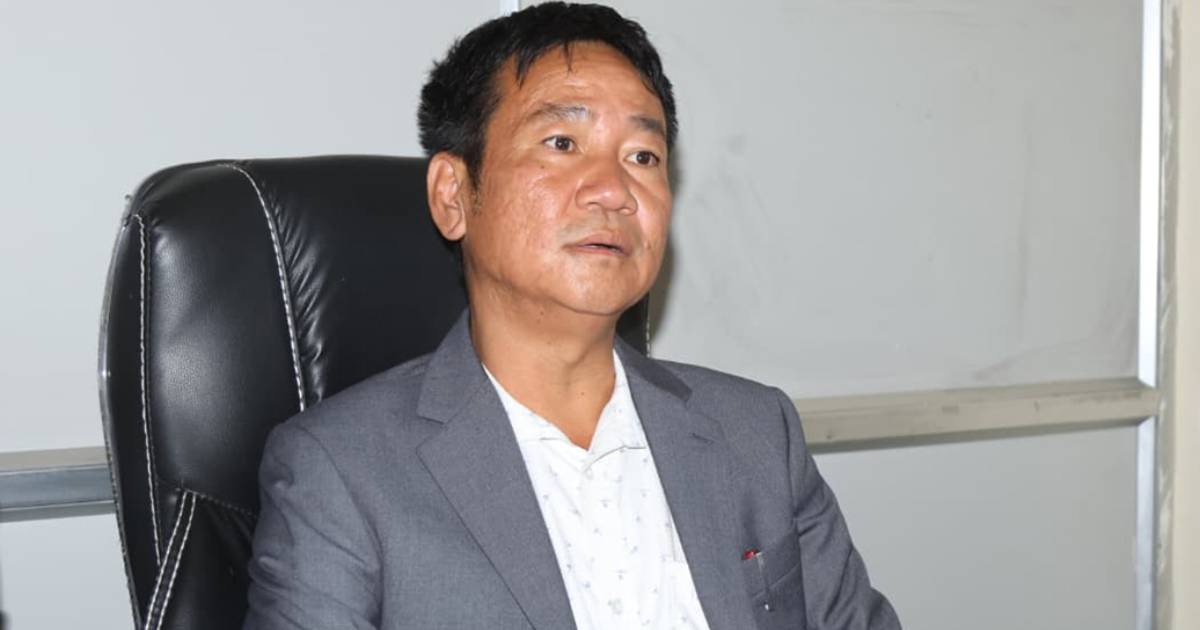
Kathmandu has entered a fresh political debate over the chief justice appointment process after Harka Sampang publicly questioned the government’s decision to recommend a candidate outside the seniority order for the country’s top judicial post.
In a press statement issued on Friday, Harka Sampang, who serves as chair of the Shram Sanskriti Party and a member of the House of Representatives, accused the government of bypassing established procedures and undermining institutional norms during the recommendation process.
His remarks come at a time when concerns over constitutional appointments and political influence in state institutions continue to draw national attention.
The statement also raised questions about the use of an ordinance related to the Constitutional Council, with Harka Sampang arguing that the move was introduced by avoiding parliamentary discussion and by placing pressure on the head of state.
He described the recommendation of a candidate ranked fourth in seniority for the chief justice position as a major mistake that could not be justified under any circumstance.
Harka Sampang Questions Constitutional Process
Harka Sampang said the process followed by the government had weakened the principles of transparency and institutional procedure. According to the statement, the decision to move ahead with the recommendation despite the existing seniority order reflected what he called a disregard for established systems.
He argued that the Constitutional Council-related ordinance itself created controversy because it was brought forward without proper parliamentary engagement. Harka Sampang further claimed that such actions risk damaging public trust in constitutional mechanisms and the judiciary.
The statement framed the issue not only as a political disagreement but also as a matter linked to governance standards and constitutional accountability.
Criticism Over Seniority Order
A major part of Harka Sampang’s criticism focused on the selection of an individual who was fourth in the seniority ranking for the position of chief justice.
According to the statement, the government’s decision to bypass more senior figures raised serious concerns about fairness in judicial appointments. Harka Sampang maintained that ignoring the established order created unnecessary controversy around an institution that should remain independent and respected.
He stated that such a move could set a troubling precedent for future appointments if seniority and procedure were no longer treated as important considerations in constitutional positions.
- Harka Sampang described the recommendation as a serious procedural mistake.
- He argued that established systems were ignored during the appointment process.
- The statement warned that public confidence in institutions could be affected.
Concerns Raised Over Role of Deputy Speaker
Harka Sampang also expressed dissatisfaction with the role played by the deputy speaker, who comes from his own political party.
In the statement, he said it was disappointing that the deputy speaker signed the decision despite concerns surrounding the appointment process. He claimed that discussions during the meeting included references to issues such as MCC and SPP, which he alleged created pressure and influence during deliberations.
Harka Sampang suggested that the decision should have respected the seniority order rather than moving forward under what he described as an atmosphere of political pressure.
The comments signaled internal unease within the party regarding the handling of the recommendation and the conduct of those involved in the process.
Allegations of Political and Legal Interests
The statement also hinted at possible political and legal motives behind the government’s actions.
Harka Sampang claimed there were suspicions that the appointment process could be connected to attempts to influence outcomes in sensitive matters. He specifically referred to the cooperative fraud case and the “Gen Z” movement linked to events on September 8 and 9.
According to him, the government may have been attempting to secure favorable decisions in these matters through the appointment process. However, the statement did not provide additional evidence to support those claims.
The remarks added another layer of controversy to the ongoing debate, as they connected the judicial recommendation issue with broader political and legal disputes currently under public discussion.
Judicial Appointment Debate Intensifies
The latest comments from Harka Sampang have further intensified discussions surrounding the chief justice recommendation process.
Questions regarding transparency, constitutional practice, and political influence have increasingly become central to the national debate. The controversy has also drawn attention to the role of constitutional bodies and the importance of maintaining confidence in judicial independence.
Harka Sampang emphasized that constitutional appointments should be guided by procedure, fairness, and institutional integrity rather than political calculations.
The issue is likely to remain a major topic of discussion as political leaders and constitutional figures continue to react to the government’s decision.
Focus Shifts to Institutional Credibility
The dispute over the recommendation has now expanded beyond a single appointment and moved into a broader discussion about institutional credibility.
Harka Sampang warned that actions perceived as politically motivated could weaken public faith in democratic systems and constitutional governance. He argued that constitutional bodies must operate independently and avoid decisions that may create doubts about neutrality.
His statement reflected growing concerns among political figures regarding how major state appointments are handled and whether existing procedures are being properly followed.
As the debate continues, attention remains fixed on how the controversy could affect public confidence in the judiciary and other constitutional institutions.


Written by Roshani Shrestha Pathak
Roshani Shrestha Pathak is the English Bureau Chief at Khoj Samachar, overseeing English-language editorial operations and newsroom coordination.

Sobita Gautam Leads Law Commission Act Amendment

Gyanendra Shahi Comments on Nagdhunga Tunnel Dispute
What Did Gyanendra Shahi Say to His Trolls?
Sobita Gautam Leads Nepal’s 166-Bill Legal Reform Drive
Bishnu Paudel Released Without Bail by Special Court
Industry Ministry Recovers Rs 467 Million in Unpaid Rent

Rekha Thapa Criticises Taxes, Says ‘Swarnim Nepal’