US Sends Iran 14-Point Proposal to End Conflict
Washington and Tehran move closer to a possible agreement as talks continue over nuclear restrictions and sanctions relief


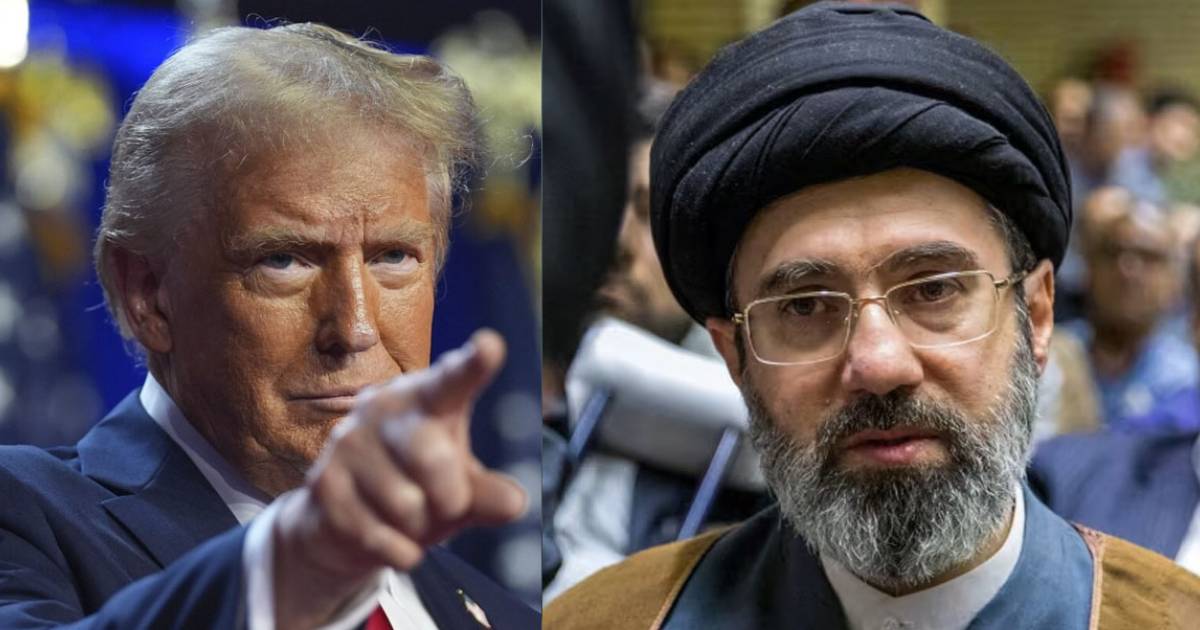
The United States has presented Iran with a 14-point proposal aimed at ending the ongoing conflict and opening a path toward broader nuclear negotiations, as both sides continue indirect contacts through regional intermediaries.
The draft understanding, delivered by Washington in recent days, outlines a temporary framework to reduce tensions, reopen the Strait of Hormuz, and launch detailed talks on Iran’s nuclear activities and sanctions relief.
Officials familiar with the discussions say Tehran is currently reviewing the proposal while the White House expects a response within the next two days.
The proposal comes at a sensitive moment as President
Washington pushes for temporary agreement
According to officials involved in the discussions, the United States sent Tehran a one-page memorandum containing 14 separate points designed to stop the conflict and create conditions for extended negotiations.
The proposed arrangement would formally announce an end to hostilities and begin a 30-day negotiation period focused on nuclear restrictions, sanctions relief, and maritime security in the Strait of Hormuz.
American officials reportedly believe the two sides are closer to a deal than at any previous stage of the recent crisis, although they acknowledge that several key disagreements remain unresolved.
One official involved in the talks said discussions are progressing but no final agreement has yet been reached.
Iran reviewing the terms of the proposal
Iranian authorities are currently examining the American draft internally while different political and military institutions continue consultations on the country’s response.
The proposal has reportedly been exchanged through intermediaries, including Pakistan, with messages and positions moving between Washington and Tehran over recent days.
The Iranian leadership has not publicly confirmed acceptance of any terms. Senior Iranian officials have instead signaled that the proposal still contains demands that may be difficult for Tehran to approve.
Internal divisions are also said to be slowing the process. Reports indicate that Iran’s political leadership and the Islamic Revolutionary Guard Corps do not fully agree on how far negotiations with Washington should go.
Officials familiar with the process say every major message ultimately needs approval from Supreme Leader
Focus on uranium enrichment and inspections
One of the most sensitive parts of the American proposal involves Iran’s uranium enrichment activities.
According to officials briefed on the talks, Washington has pushed for Iran to suspend uranium enrichment for at least 20 years, while Tehran initially suggested a five-year period. Negotiators are now reportedly discussing a possible compromise lasting between 12 and 15 years.
The proposal would also require Iran to accept surprise inspections by United Nations nuclear inspectors and implement an expanded monitoring system.
Under the draft arrangement, Iran could eventually resume low-level uranium enrichment capped at 3.66 percent if it fully complies with the agreement during the suspension period.
Officials also say the duration of restrictions could be extended if Iran is found violating the terms of the arrangement.
Sanctions relief linked to compliance
In return for Iranian cooperation, the United States is prepared to gradually ease sanctions and release billions of dollars in frozen Iranian assets held abroad.
The proposal also includes a phased removal of restrictions affecting maritime activity around the Strait of Hormuz, one of the world’s most strategically important shipping routes.
During the proposed 30-day negotiation period:
- Iran would begin removing shipping restrictions in the Hormuz region
- The United States would gradually reduce its naval blockade measures
- Both sides would continue detailed negotiations on a broader agreement
- Further talks could take place in Islamabad or Geneva
However, the proposal reportedly allows Washington to restore sanctions, naval restrictions, or military action if talks fail or if Iran breaches the agreement. ([Reuters][2])
Major disputes still unresolved
Despite signs of progress, several critical issues remain outside the current draft.
The proposal reportedly does not clearly address Iran’s missile program, Tehran’s support for armed groups across the Middle East, or the future of more than 400 kilograms of highly enriched uranium already held by Iran.
These subjects have long been among Washington’s main demands in negotiations with Tehran.
President Trump had previously stated that Iran should transfer its stockpile of highly enriched uranium to the United States. Iranian officials rejected that idea and instead suggested Russia could receive the material.
Iranian Foreign Minister
Trump warns of possible military response
While expressing optimism about the negotiations, President Trump has also renewed warnings of possible military action if diplomacy fails.
Speaking to reporters at the Oval Office, Trump said an agreement with Iran could happen within days but cautioned that future strikes would be more severe if talks collapse.
The White House had earlier suspended plans related to military escort operations intended to help ships trapped near the Strait of Hormuz after communication channels with Iran reopened.
Oil markets and global investors have reacted positively to reports that diplomacy may prevent a wider regional conflict.
Iranian officials remain publicly critical
Despite ongoing negotiations, senior Iranian political figures have publicly criticized the American proposal.
Members of Iran’s parliament described the document as reflecting Washington’s political demands rather than a balanced compromise.
Parliament Speaker
Other Iranian lawmakers also questioned whether the proposal adequately respects Iran’s national interests and security concerns.
Although diplomatic contacts continue, officials on both sides acknowledge that reaching a final agreement will require resolving deep disagreements over nuclear restrictions, sanctions, regional influence, and maritime security.


Written by Roshani Shrestha Pathak
Roshani Shrestha Pathak is the English Bureau Chief at Khoj Samachar, overseeing English-language editorial operations and newsroom coordination.

Is It Illegal for Nepalis to Get an Aadhaar or PAN Card in India?

Germany: Six died in Stade Shooting

Neymar Gives $250K for Venezuela Earthquake Victims
Kolkata Warehouse Collapse Update: 5 Dead, 2 Arrested

Colombia Beat Uzbekistan 3-1 in World Cup Opener

6.7-Magnitude Earthquake Shakes Indonesia’s Sulawesi

Saudi Arabia vs Uruguay Ends 1-1