
BJP Leads Early in West Bengal Election Results
Initial counting trends show BJP ahead in West Bengal, while regional alliances take lead in Tamil Nadu, Kerala, Assam, and Puducherry


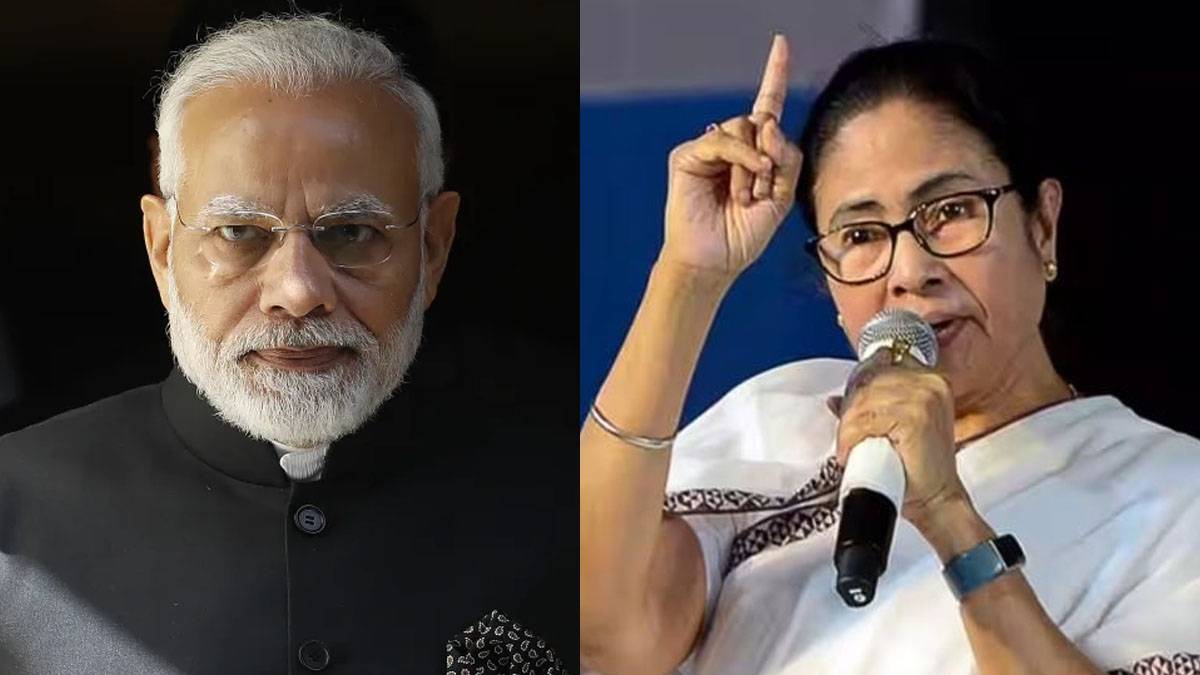
India’s state elections are beginning to take shape as early counting trends suggest a strong performance by the Bharatiya Janata Party in West Bengal, potentially reshaping the political landscape in one of the country’s most closely watched regions.
Initial figures released shortly after counting began on Monday morning indicate a significant lead for the party in a state long dominated by regional leadership.
The early developments come as counting continues across several key states, with political parties closely monitoring trends that could influence governance in multiple regions. While these figures are preliminary, they offer an early glimpse into voter sentiment following recent multi-phase voting processes.
Early Trends Show BJP Ahead in West Bengal
The counting process, which began at 8 a.m. on Monday, has placed the Bharatiya Janata Party (BJP) in a commanding early position in West Bengal. According to the initial tally, the party is leading in 155 seats, marking a significant development in a state where it has historically struggled to establish dominance.
The ruling alliance led by the All India Trinamool Congress (TMC) is trailing behind, with its candidates ahead in 58 seats during the early phase of counting. Meanwhile, the Left alliance has managed to take the lead in just two constituencies.
West Bengal’s legislative assembly comprises 294 seats, though results for 293 constituencies are expected to be declared. A party or coalition needs at least 148 seats to secure a majority and form the government.
A State with a Strong Political History
West Bengal has long been a politically significant state with a history of shifting power dynamics. For over a decade and a half, the TMC has been at the helm under the leadership of Mamata Banerjee. The party came to power in 2011, ending a prolonged period of communist rule that had defined the state’s politics for decades.
In the 2016 assembly elections, the BJP remained largely on the sidelines, failing to make a substantial impact. However, by 2021, the party had begun to emerge as a formidable challenger, narrowing the gap and intensifying competition with the TMC.
This election cycle was widely anticipated to be a closely contested battle between the BJP and TMC, with various exit polls predicting a tight race. The early counting trends now suggest that the BJP may be making deeper inroads into the state than previously seen.
Two-Phase Voting Sets the Stage
The election in West Bengal was conducted in two phases, reflecting the scale and logistical complexity of the voting process. Voter turnout and participation were closely observed, given the high stakes and competitive atmosphere.
As counting progresses, these early figures remain subject to change. However, the current trend has already sparked discussions about a potential shift in political power, depending on how the final results unfold.
Developments in Tamil Nadu Show Different Trend
While West Bengal is witnessing a strong showing by the BJP, the situation in Tamil Nadu presents a contrasting picture. Early results indicate that the ruling alliance led by the Dravida Munnetra Kazhagam (DMK) has taken an initial lead.
The DMK is contesting in alliance with the Indian National Congress, and together they appear to be ahead in the early stages of counting. Interestingly, a party led by a well-known Tamil film actor is showing strong performance and is currently positioned in second place, suggesting a competitive and evolving political landscape in the state.
The BJP-led alliance, meanwhile, is trailing in third place. Tamil Nadu’s legislative assembly consists of 234 seats, and a party or coalition must secure at least 118 seats to form a majority government.
Kerala Sees UDF Leading Early Race
In Kerala, early counting trends indicate that the United Democratic Front (UDF) is ahead, with the Left Democratic Front (LDF) following in second place. The BJP-led National Democratic Alliance (NDA) is currently in third position based on the initial results.
Kerala has traditionally seen alternating power between major alliances, and these early figures suggest another competitive contest. However, as with other states, the final outcome will depend on how the counting progresses throughout the day.
Assam and Puducherry Trends Favor NDA
In Assam, the BJP-led National Democratic Alliance is currently leading the early count, with the Congress-led alliance trailing behind in second place. Assam’s legislative assembly has 126 seats, and a minimum of 94 seats is required to form a majority government.
Similarly, in Puducherry, the NDA is ahead in the initial counting phase. The alliance comprising the DMK and Congress is in second place. Puducherry’s assembly has 30 seats, and at least 13 seats are needed to secure a governing majority.
- West Bengal: BJP leading with 155 seats (early count)
- Tamil Nadu: DMK-led alliance ahead
- Kerala: UDF leading, followed by LDF
- Assam: NDA in front, Congress alliance second
- Puducherry: NDA ahead, DMK-Congress alliance trailing
What These Early Results Could Mean
The early counting trends across these states highlight the diverse political dynamics at play in India’s regional elections. While the BJP appears to be gaining ground in West Bengal, regional alliances continue to hold strong positions in states like Tamil Nadu and Kerala.
These developments could have broader implications for political strategies and governance in the coming years. However, it is important to note that these are initial figures, and the final results may shift as counting continues.
As the day progresses, clearer outcomes will emerge, providing a more definitive picture of voter choices and political direction across these key states.


Written by Roshan Shrestha
Roshan Shrestha is a Nepali investigative journalist and founder of Khoj Samachar, covering corruption, transparency, and public-interest issues.

Heavy Rain Expected in Himachal Pradesh
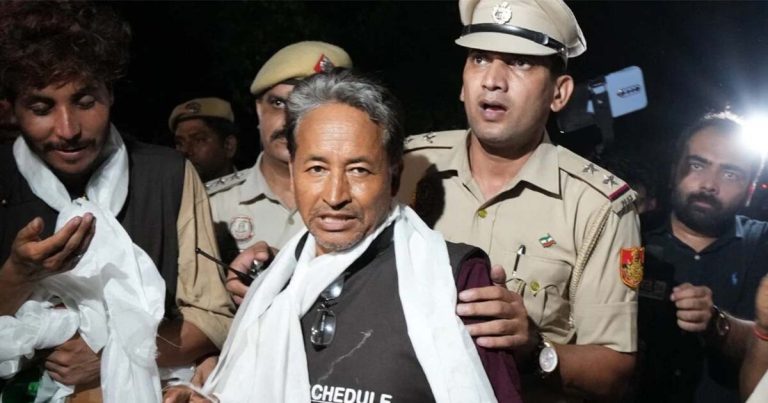
Sonam Wangchuk Update: Forced to Hospital, Says Abhijeet Dipke

Attack Was Attempted on Sonam Wangchuk, Says Abhijeet Dipke
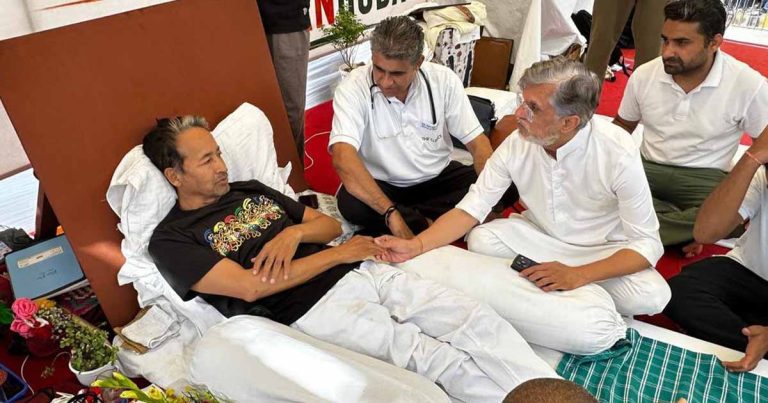
Sonam Wangchuk Vows to Survive Hunger Strike Until July 20

US Attacks Iran Again as Fighting Enters Sixth Night

Jordan Shoots Down Eight Iranian Missiles
US House Passes Permanent Daylight Saving Time Bill