Supreme Court Ends State-Funded VIP Foreign Treatment
Nepal Supreme Court abolishes state-funded foreign medical treatment for former VIPs to reduce public spending and enforce equality


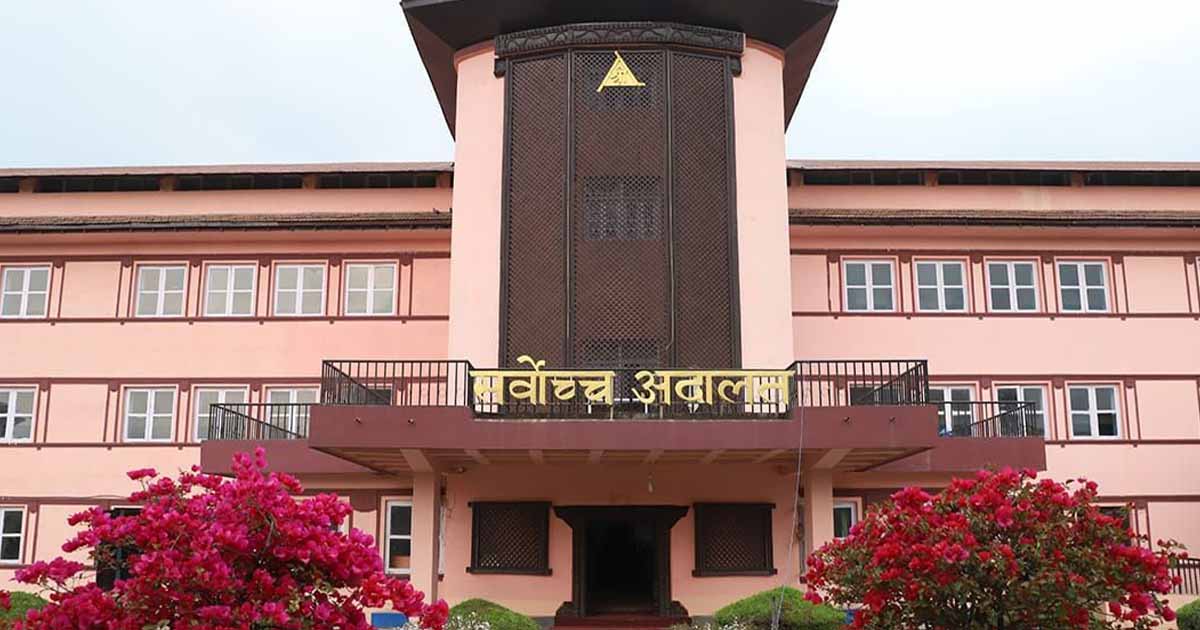
A landmark Supreme Court ruling abolishes a controversial provision that allowed former top officials to claim expensive overseas medical treatment at the expense of public funds, signaling a major shift toward accountability and fiscal discipline.
Historic Constitutional Bench Decision
Nepal’s Supreme Court has issued a landmark ruling that brings an end to a long-standing practice allowing former high-ranking officials to receive state-funded medical treatment abroad. The constitutional bench of the declared key provisions of an existing government procedure unlawful, citing conflict with the Constitution and prevailing laws.
The decision specifically annuls Clause 12(1) of the “Citizen Relief, Compensation and Financial Assistance Procedure (Second Amendment), 2073 (2016),” which had enabled former VIPs and VVIPs to claim reimbursement for overseas medical treatment.
What the Ruling Changes
Until now, former top office holders—including presidents, prime ministers, and ministers—could travel abroad for treatment and have the costs covered by the state. This practice had continued despite earlier attempts to limit such benefits through the Public Health Act introduced in 2018.
With the court’s latest ruling:
- State funding for overseas treatment of former officials is now illegal
- The previously used administrative procedure has been scrapped
- Government decisions approving such expenses will no longer hold legal validity
The judgment marks a significant policy shift aimed at curbing public expenditure and promoting equality before the law.
Who Falls Under “Former VIPs”
The category of “former VIPs” in Nepal is extensive, reflecting the country’s frequent political transitions and changes in leadership. Individuals affected by the ruling include:
- Former Presidents and Vice Presidents
- Former Prime Ministers
- Former Chief Justices
- Former Speakers and Deputy Speakers
- Former Deputy Prime Ministers and Ministers
- Former State and Assistant Ministers
- Former Members of Parliament
- Former Constitutional Office Holders
Given Nepal’s history of political instability—where governments often change within months—the number of individuals eligible for such benefits had grown significantly over time.
Context: Rising Public Concern Over Spending
The ruling comes at a time when Nepal is grappling with mounting public debt and increasing scrutiny over government spending. Critics have long argued that the state was bearing an excessive financial burden by funding privileges for former officials.
Public debate intensified after remarks by Madhav Kumar Nepal surfaced, in which he suggested that much of his personal wealth was accumulated through state-provided benefits during his political career. The statement sparked widespread discussion about the scale of benefits enjoyed by former leaders.
Observers note that in many developed countries, former heads of government transition to relatively modest lifestyles after leaving office, with limited state support. In contrast, Nepal’s system has allowed continued access to extensive facilities and financial assistance.
Exception Still Applies to Sitting Leaders
Despite the sweeping nature of the decision, the court has left intact certain provisions related to current office holders. Under the “President and Vice President Remuneration and Facilities Act, 2017,” sitting leaders may still receive state-funded treatment abroad under specific conditions.
These include:
- When treatment is not available within Nepal
- Upon recommendation from an official medical board
However, this exception does not extend to former officials, making the distinction between current and former office holders legally clearer.
Legal Challenge and Petitioners
The case was brought before the court by a group of petitioners, including advocate. They argued that the provision violated constitutional guarantees of equality and the right to health.
The petition claimed that allowing a select group of former officials to access state-funded foreign treatment created an unfair system that discriminated against ordinary citizens, many of whom struggle to afford basic healthcare.
The Supreme Court partially upheld the petition, concluding that the procedure in question was inconsistent with constitutional principles and should be invalidated.
Implications for Governance and Accountability
The ruling is being viewed as a step toward greater fiscal discipline and accountability in public administration. By eliminating a controversial benefit, the court has signaled a shift toward more equitable use of state resources.
Experts suggest the decision could:
- Reduce unnecessary government expenditure
- Encourage policy reforms related to public benefits
- Strengthen public trust in judicial oversight
At the same time, it may prompt broader discussions about the scope of privileges granted to political leaders during and after their tenure.
Broader Political and Social Impact
Nepal’s political landscape has been marked by frequent leadership changes, resulting in a growing pool of former officials entitled to state benefits. This ruling directly addresses one aspect of that system.
While some political figures may resist the change, public reaction has largely been supportive, with many viewing it as a necessary correction to an imbalanced system.
The decision also aligns with global trends emphasizing transparency and responsible governance, particularly in countries facing economic challenges.
As Nepal continues to navigate its economic and political realities, the Supreme Court’s intervention may serve as a precedent for further reforms aimed at balancing privilege with public accountability.


Written by Pushpa Tamang
Pushpa Tamang is Managing Editor at Khoj Samachar, leading English and Nepali bureaus, newsroom operations, and editorial standards.

Kirtipur Holding Centre Resident Arrested After Video Post
Nepal Celebrates Asar 15 with Dahi Chiura and Paddy Day
Nepal New Traffic Bill Proposes Fines of Rs 500 to Rs 1 Lakh
Why Is Nepal Emptying Holding Centres in Five Days?
Kathmandu Traffic Fines Top Rs 2.3 Million in a Day
The Story of Shree Krishna BK
NEB Publishes Grade 12 Results, 64.13 Percent Students Pass