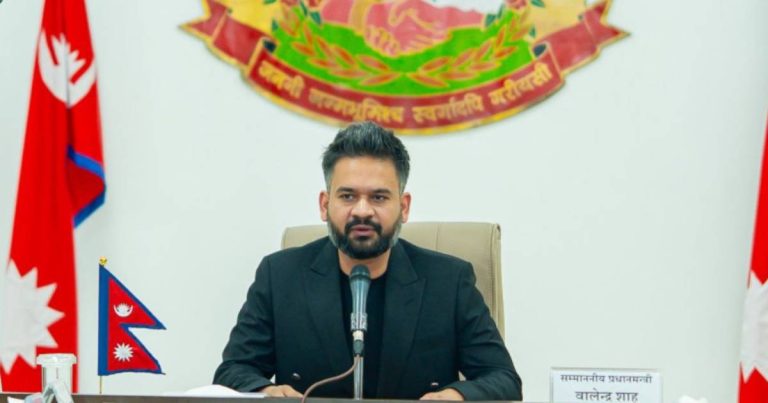
Nepal Launches Nationwide Drive to Remove Encroached Structures
Nationwide demolition drive expands as authorities clear illegal structures from government land across multiple districts.


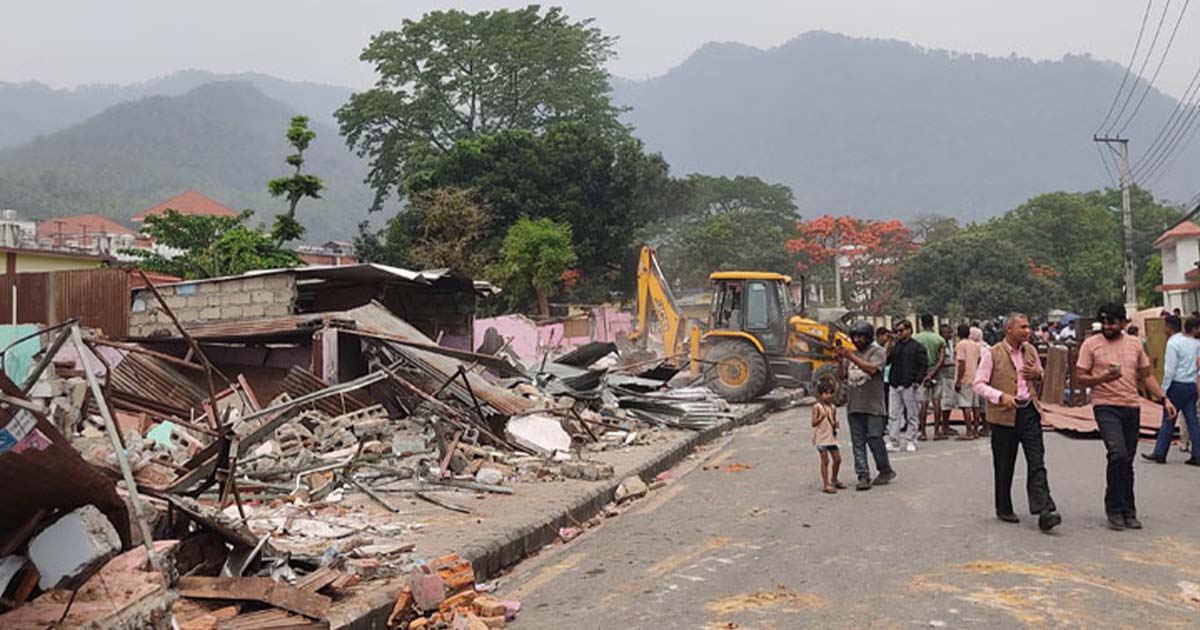
Nepal has expanded its nationwide land encroachment crackdown beyond Kathmandu, launching coordinated demolition drives across multiple districts to remove illegal structures from government land, exposing the scale of encroachment and drawing mixed public reactions.
Expansion of Nationwide Enforcement
Nepal has stepped up its nationwide efforts to reclaim government land, extending enforcement actions from Kathmandu to districts such as Rupandehi, Nuwakot, and Parsa. The move follows earlier actions in the capital, including the Thapathali squatter eviction in Kathmandu, which marked a turning point in the government’s stricter stance.
Authorities have now begun removing structures built without legal permission on public land across various regions. These include residential houses, temporary shelters, roadside shops, and other informal constructions that have existed for years.
The campaign highlights the growing concern over illegal land encroachment in Nepal, as officials attempt to restore public ownership and ensure proper land use for development and infrastructure.
Key Locations and Ongoing Operations
The land encroachment crackdown is currently active in several districts, with major developments reported from:
- Rupandehi (Butwal): Structures built on land owned by the High Court are being removed after official notices and public announcements.
- Nuwakot (Bidur Municipality): Nearly 100 structures, including government and private constructions, have been cleared by the Galchhi–Rasuwagadhi Road Project.
- Parsa (Gandak Canal area): Authorities have started removing over 300 structures along the canal embankment from Janakitol to Gandak Chowk.
In Parsa, the operation is particularly extensive, covering around 26 kilometers of canal area where encroachment had affected irrigation systems and public infrastructure.
How the Crackdown Unfolded
The sequence of events shows a structured approach by authorities to enforce land laws across the country.
The campaign initially began in Kathmandu with targeted eviction drives in informal settlements. Following that phase, the government expanded its operations nationwide, as explained in the report on eviction expanding across the country.
Local authorities then issued advance notices and conducted public announcements urging residents to vacate encroached land. In Butwal, miking announcements were made in the evening, prompting several residents to begin removing their belongings overnight.
By early morning, enforcement teams deployed bulldozers to remove remaining structures. At the same time, operations were carried out simultaneously in Nuwakot and Parsa.
A detailed breakdown of how events unfolded throughout the day can also be seen in the full-day eviction timeline, which outlines the sequence of actions across multiple districts.
Administrative Position and Justification
Officials involved in the land encroachment crackdown have stated that all actions are being carried out in accordance with legal provisions and prior notifications.
In Butwal, authorities confirmed that the land belongs to the High Court and had been occupied illegally for years. Notices were issued in advance, urging residents to vacate voluntarily before enforcement action.
The Narayani Irrigation and Management Office in Parsa stated that encroachments along the Gandak Canal posed serious risks to water management and agricultural systems. Clearing these areas is considered necessary to maintain irrigation efficiency.
Similarly, officials in Nuwakot highlighted that the removal of structures was essential for the smooth progress of the Galchhi–Rasuwagadhi road project.
Authorities have emphasized:
- Illegal occupation of public land is subject to removal.
- Advance notice was provided before demolition.
- Security personnel are deployed to maintain order.
- The campaign is part of a broader nationwide policy.
Voices from the Ground
Public reaction to the land encroachment crackdown has been mixed.
In Butwal, some residents expressed frustration, stating that although they had begun vacating after receiving notices, they were unable to complete the process before bulldozers arrived. This led to tension and anger among locals.
Others raised concerns about the lack of relocation options, especially for families who have been living in these areas for extended periods.
Key concerns include:
- Limited time given to vacate properties.
- Absence of clear rehabilitation plans.
- Impact on vulnerable households.
- Loss of livelihood for small business owners.
At the same time, some members of the public support the crackdown, arguing that strict enforcement is necessary to prevent misuse of government land and ensure proper development.
Scale of Demolition and Immediate Effects
The impact of the land encroachment crackdown is already visible across multiple districts.
In Parsa, more than 300 structures—including homes, shops, and fish ponds—are being removed along the canal embankment. In Nuwakot, close to 100 structures have been cleared, while in Butwal, around two dozen houses and shelters are being dismantled.
The immediate effects include:
- Displacement of residents from informal settlements.
- Closure of small businesses operating on encroached land.
- Restoration of public land for institutional use.
- Improvement in irrigation and road infrastructure projects.
However, the long-term social impact remains uncertain, particularly for displaced families who now face housing and economic challenges.
What Lies Ahead
The ongoing land encroachment crackdown reflects a broader policy shift toward stronger land governance in Nepal.
By expanding operations beyond Kathmandu, authorities are attempting to address a nationwide issue that has persisted for years. However, experts suggest that enforcement alone may not be sufficient.
Future success will depend on:
- Consistent enforcement of land laws across all districts.
- Transparent communication with affected communities.
- Development of fair relocation and rehabilitation programs.
- Long-term planning to address housing shortages.
As the campaign continues, Nepal faces the challenge of balancing legal enforcement with social responsibility, ensuring that development efforts do not disproportionately affect vulnerable communities.


Written by Roshani Shrestha Pathak
Roshani Shrestha Pathak is the English Bureau Chief at Khoj Samachar, overseeing English-language editorial operations and newsroom coordination.
Nepal Government to Print National ID Cards Itself
Everything You Need to Know About the 2026/27 National Budget
Singha Durbar Toilets Remain in Poor Condition
Manoj Kumar Sharma Set to Become Nepal’s Chief Justice

Koshi Police Honors Inspector Sagar Sah for Innovative Policing

Asim Shah Reacts to Possible Gen Z Boycott of Talks
Lumbini Province Plans to Reduce Ministries to Eight