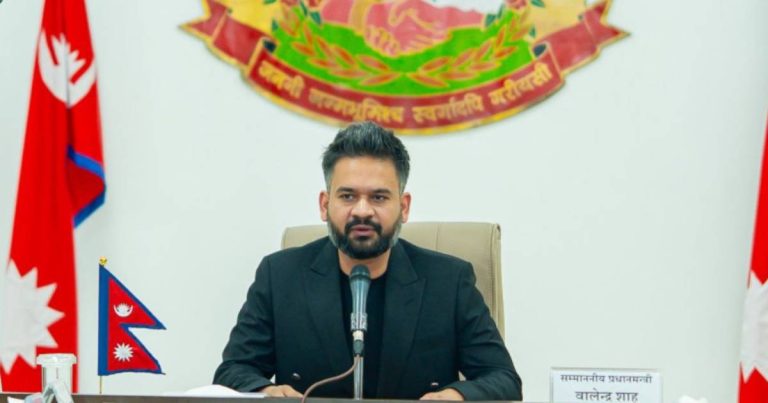
Nepal Squatter Settlements Evictions: Full-Day Timeline of Events
Evictions of squatter settlements across Nepal intensified today from morning to evening, as authorities carried out demolition drives in Kathmandu’s Gairigaun, Sinamangal, and Jadibuti areas, triggering protests, political reactions, and clashes while hundreds of families were displaced.


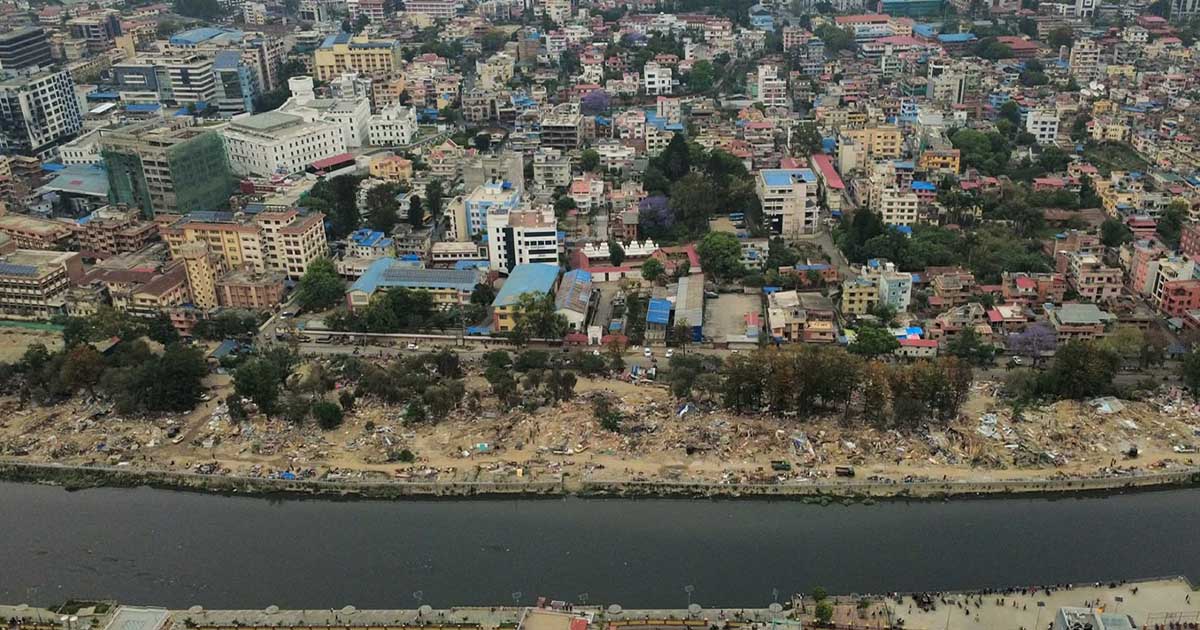
A large-scale eviction drive targeting informal settlements across Kathmandu Valley intensified today, with bulldozers deployed from morning to evening in areas including Gairigaun, Sinamangal, and Jadibuti. The operation, led by Kathmandu Metropolitan City with support from security forces, triggered both cooperation and resistance, sparking political debate and humanitarian concerns.
The events of the day unfolded rapidly, reflecting a complex situation involving law enforcement, urban policy, and the struggles of vulnerable communities. Related developments can also be seen in earlier eviction actions in Thapathali, where similar drives were carried out.
Morning: Bulldozers Deployed in Gairigaun
The operation began early in the morning in Gairigaun, located in Ward No. 9 of Kathmandu Metropolitan City.
Authorities used bulldozers to demolish houses and temporary structures built along the riverbanks, which they described as illegal encroachments.
- Large numbers of Nepal Police, Armed Police Force (APF), and municipal police were deployed
- Residents were seen removing belongings from their homes
- Police assisted in transporting goods to safer locations
- More than 100 structures were reportedly demolished
Officials stated that prior notices had been issued, urging residents to vacate the area.
Late Morning: Expansion of Eviction Operations
Following the initial demolition in Gairigaun, authorities expanded the operation to nearby areas.
The government has been actively clearing settlements built along riverbanks and public land across Kathmandu Valley as part of a broader campaign.
- Encroachments along rivers were identified as a key concern
- Authorities emphasized environmental protection and flood risk management
- Evictions were conducted under government directives
The operation remained largely controlled during this phase, with no major clashes reported.
Afternoon: Sinamangal Clearance Begins
By afternoon, the demolition teams moved toward Sinamangal to continue the campaign.
According to police officials:
- Joint security forces continued clearing settlements
- The process followed similar procedures as in Gairigaun
- No immediate large-scale conflict was reported
Authorities maintained that the structures were built through unauthorized occupation of public land.
Government Data and Scale of the Operation
Officials revealed that the eviction drive is part of a wider effort affecting multiple areas.
Estimated number of households in targeted locations:
- Shantinagar: 476 households
- Gairigaun: 162 households
- Thapathali: 143 households
- Gothatar: 77 households
- Manohara area: 13 households
In total, around 871 households are identified in unauthorized settlements.
Relocation and Temporary Arrangements
Authorities stated that steps are being taken to manage displaced families.
- Some families have been moved to temporary shelters near Dasharath Stadium
- Belongings are being stored in designated facilities in Kirtipur
- Verification of “genuine squatters” is set to begin
- Relocation to government apartments in Nagarjun has been proposed
However, long-term solutions remain uncertain.
Political Reaction: Criticism from Harka Sampang
Harka Sampang, chairman of the Labor Culture Party, criticized the eviction drive.
He claimed that:
- The government is treating squatter settlements as a problem rather than addressing root issues
- The approach lacks empathy toward economically vulnerable communities
- Millions of people living in poverty could be affected nationwide
His remarks added to growing political debate surrounding the issue.
Political Reaction: Call for Sensitivity from Shankar Pokharel
CPN-UML General Secretary Shankar Pokharel urged the government to act with greater sensitivity.
He emphasized that:
- The suffering of displaced families should not be ignored
- Urban development must consider human impact
- Workers who helped build the city deserve dignity and respect
He warned that ignoring public distress could have serious consequences.
Political Reaction: Kulman Ghising’s Party Calls for Dialogue
The Ujyalo Nepal Party, led by Kulman Ghising, called for dialogue-based solutions.
The party stated:
- The issue is linked to fundamental rights such as housing and dignity
- Authorities must identify genuine squatters
- Long-term and fair solutions should be prioritized
The party urged cooperation among government, civil society, and affected communities.
Support for Government Action: Gyanendra Shahi’s Position
RPP leader Gyanendra Shahi supported the government’s move.
He argued that:
- Illegal encroachment must be controlled
- Misuse of “squatter status” should be prevented
- Genuine squatters must be properly managed and supported
He called for cooperation between political forces to achieve long-term solutions.
Clashes and Tension in Jadibuti Area
The situation escalated in the Jadibuti area later in the day.
Reports indicate that:
- Local residents resisted eviction efforts
- Stones were thrown at security personnel and bulldozers
- The operation was temporarily halted due to rising tension
Following the clashes, APF teams suspended the demolition work and withdrew from the site.
Journalist Injured During Field Reporting
Amid the unrest, a journalist was injured while covering the events.
- A cameraman was reportedly attacked by locals
- He sustained injuries to his nose
- His camera memory card was taken
The incident highlights the risks faced by media personnel during conflict situations.
Public Reaction and Ongoing Debate
The eviction drive has sparked widespread debate across Nepal.
Supporters argue:
- Urban planning requires strict enforcement of laws
- Encroachment on public land must be addressed
Critics argue:
- Evictions without proper alternatives are unjust
- Vulnerable communities are being displaced without security
The issue has become a national conversation involving governance, rights, and development.
Environmental and Urban Planning Concerns
Authorities have justified the campaign citing environmental risks.
- Riverbank encroachment increases flood risk
- Unauthorized structures block natural water flow
- Urban planning requires reclaiming public land
Experts argue that sustainable development requires strict regulation of land use.
Evening: Situation Stabilizes but Uncertainty Remains
By evening, the situation remained tense in some areas but relatively controlled in others.
- Demolition was paused in conflict zones
- Security forces maintained presence
- Authorities indicated operations would continue
Residents affected by the evictions continued to face uncertainty regarding their future.
Conclusion
The eviction drive across Kathmandu Valley represents a significant moment in urban governance, highlighting the tension between legal enforcement and social responsibility.
While authorities emphasize law, order, and environmental protection, the humanitarian impact remains a central concern.
As the campaign continues, the challenge lies in balancing development goals with the rights and dignity of displaced communities.


Written by Pushpa Tamang
Pushpa Tamang is Managing Editor at Khoj Samachar, leading English and Nepali bureaus, newsroom operations, and editorial standards.
Nepal Government to Print National ID Cards Itself
Everything You Need to Know About the 2026/27 National Budget

Singha Durbar Toilets Remain in Poor Condition
Manoj Kumar Sharma Set to Become Nepal’s Chief Justice

Koshi Police Honors Inspector Sagar Sah for Innovative Policing

Asim Shah Reacts to Possible Gen Z Boycott of Talks
Lumbini Province Plans to Reduce Ministries to Eight