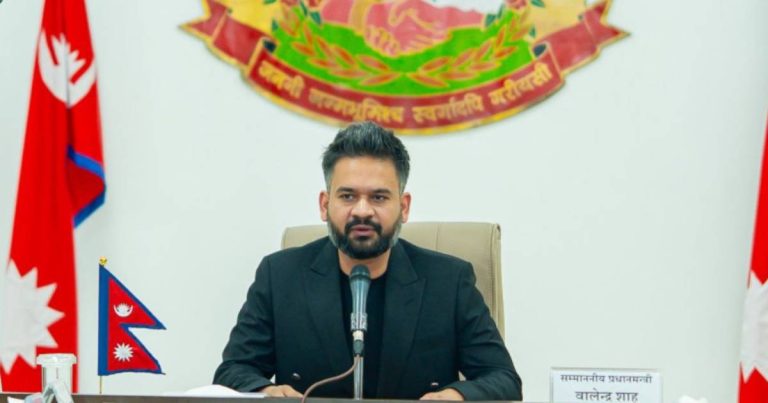
Thapathali Squatters Eviction Begins Under Heavy Security in Kathmandu
Eviction begins in Thapathali as bulldozers move in and residents dismantle homes under heavy police presence


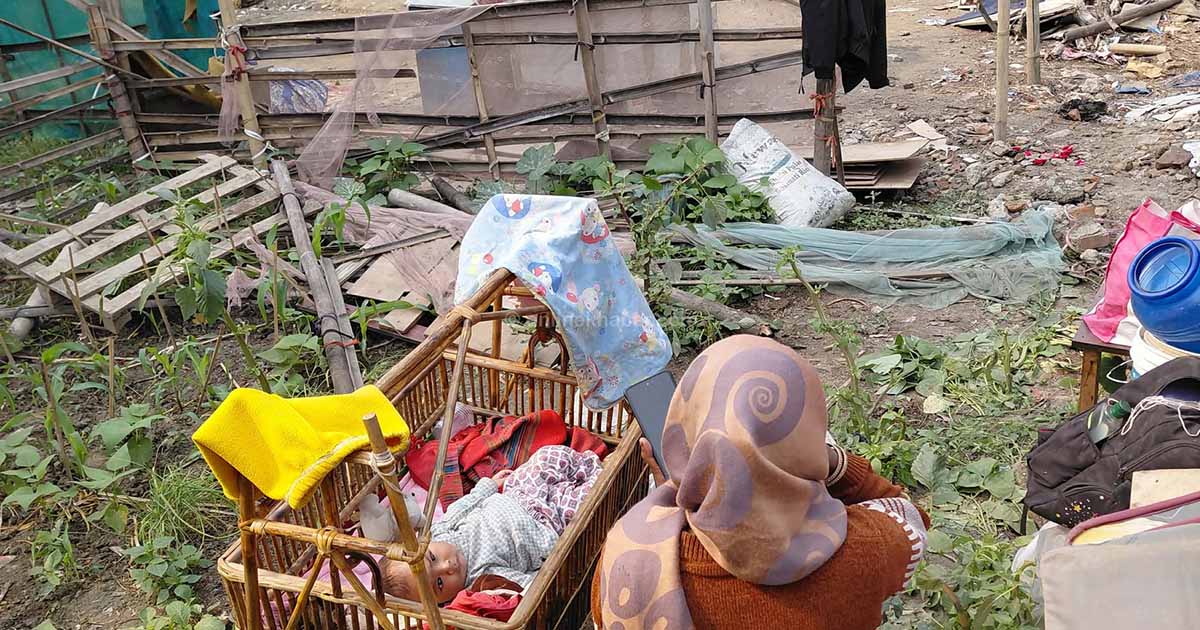
The eviction of squatters in Thapathali, Kathmandu, has officially begun, with bulldozers deployed under tight security arrangements. A large number of Nepal Police and Metropolitan Police personnel have been mobilized in the area to prevent any possible clashes during the operation.
Authorities initiated the clearance process citing concerns over settlements built in restricted and high-risk zones. Despite the sensitive nature of the situation, the operation has so far remained under control without any major confrontation.
Residents Begin Dismantling Homes
As the bulldozers move in, many residents of the Thapathali sukumbasi settlement have started dismantling their own homes and temporary structures. Both Nepal Police and city officials are assisting locals in clearing the area safely.
Unlike previous eviction attempts, which often resulted in clashes, this operation appears relatively calm. The strong security presence and early preparations seem to have reduced resistance on the ground.
Public Reaction Remains Divided
The government’s decision has received mixed reactions. A large section of the public has expressed support, stating that illegal settlements in restricted areas must be removed for safety and legal reasons.
However, opposition political groups and some members of the public have raised concerns regarding the timing of the eviction and the handling of genuine landless families.
According to a recent poll conducted by Khoj Samachar, around 93% (1941 votes) supported the government’s action, while 1% (11 votes) opposed it. Meanwhile, 7% (137 votes) stated they would support the move only if proper relocation is ensured.
Relocation Plan Announced
The government has announced relocation plans for identified genuine sukumbasi families. Alternative settlement locations include Nagarjun (Ichangu), Kirtipur, Bode, Chandbagh, and Kharipati.
Families identified from Thapathali, Manohara, and Gairigaun settlements are expected to be relocated as part of the rehabilitation process.
Political Response
Local representative Ranju Darshana stated that separating genuine sukumbasi from illegal occupants was necessary. However, she also expressed concern that insufficient time was given for proper management, apologizing for the fear and urgency caused by the current situation.
Legal Framework on Sukumbasi
According to Nepal’s laws, including the Land Act 2020 and the National Land Commission, settlements in riverbanks, road areas, forests, heritage sites, high-tension zones, and disaster-prone areas cannot be legalized and must be relocated to safer locations.
Genuine landless citizens can receive land from the government in safe areas. In urban areas, up to 130 square meters can be allocated, while in rural areas up to 340 square meters may be provided. For agricultural purposes, larger land allocations are possible depending on the region.
Situation Under Control
Security agencies had already installed surveillance systems, including CCTV cameras, to monitor the situation and prevent unrest. The strong presence of police forces has discouraged protests, and many residents are cooperating with authorities.
While the eviction continues, genuine sukumbasi families remain hopeful for fair rehabilitation, as the government faces the challenge of ensuring a lawful and humane resolution.


Written by Roshani Shrestha Pathak
Roshani Shrestha Pathak is the English Bureau Chief at Khoj Samachar, overseeing English-language editorial operations and newsroom coordination.
Nepal Government to Print National ID Cards Itself
Everything You Need to Know About the 2026/27 National Budget
Singha Durbar Toilets Remain in Poor Condition
Manoj Kumar Sharma Set to Become Nepal’s Chief Justice

Koshi Police Honors Inspector Sagar Sah for Innovative Policing

Asim Shah Reacts to Possible Gen Z Boycott of Talks
Lumbini Province Plans to Reduce Ministries to Eight