US-Iran Hold Overnight Talks in Islamabad, Clash Over Hormuz
Overnight Islamabad negotiations expose deep divisions on Strait of Hormuz, nuclear limits, and regional ceasefire demands


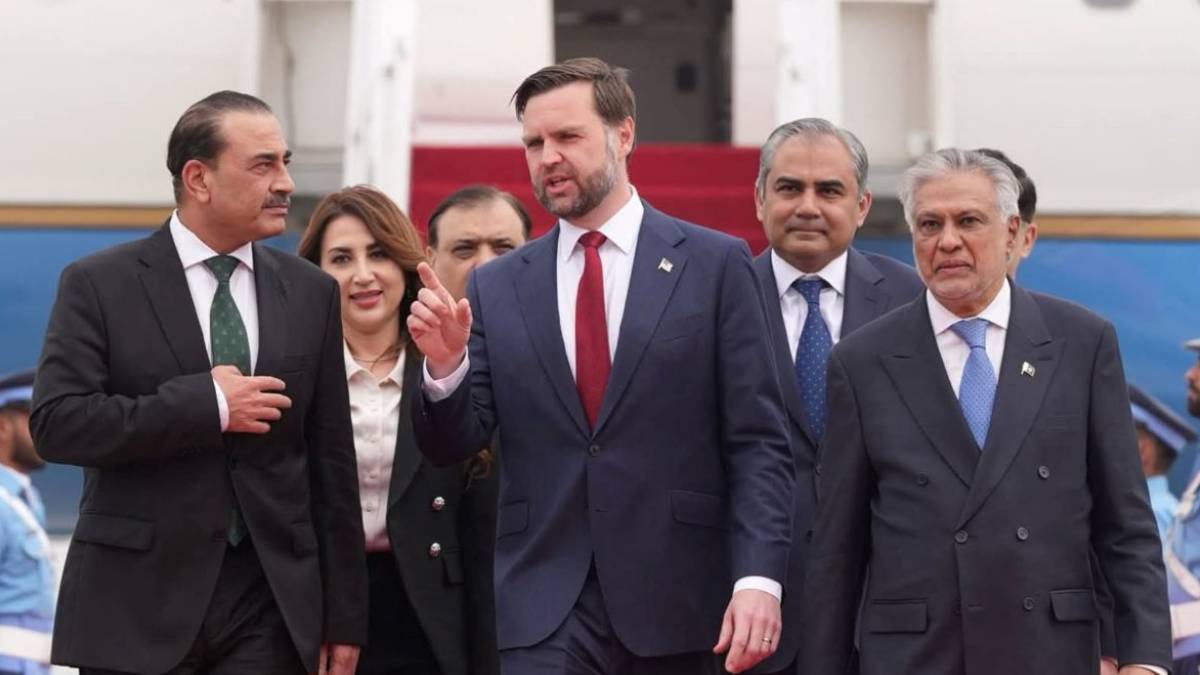
The US-Iran talks in Islamabad have exposed deep divisions over control of the Strait of Hormuz, raising fresh uncertainty over regional stability and a fragile ceasefire. The overnight negotiations mark a rare direct engagement between the two rivals after nearly five decades.
The high-stakes talks, held at a hotel in Islamabad, stretched from Saturday afternoon until early Sunday morning, with both sides exchanging written proposals through technical teams.
Historic Talks Mark Rare Direct Engagement
The meeting represents the first official and direct talks between the United States and Iran since the 1979 Islamic Revolution and the hostage crisis in Tehran. The US delegation was led by Vice President JD Vance, alongside special envoy Steve Witkoff and Jared Kushner.
Iran was represented by Parliament Speaker Mohammad Bagher Ghalibaf and Foreign Minister Abbas Araghchi. Despite the historic nature of the meeting, officials have not disclosed details of the exchanged documents.
Hormuz Control Emerges as Key Flashpoint
The most contentious issue remains control over the Strait of Hormuz, a critical global oil transit route. Iran has pushed for greater control over the strait, release of frozen overseas assets, war compensation, and a broader regional ceasefire including Lebanon. It has also proposed levying fees on vessels passing through the waterway.
The US, however, has insisted on ensuring uninterrupted global shipping and placing strict limits on Iran’s nuclear program, according to international reports.
Military Moves Add Pressure to Talks
As negotiations began, the US military signaled preparations to clear naval mines in the Hormuz region and reportedly deployed warships nearby. Iran denied any entry of US vessels into the area, highlighting the fragile and contested security environment surrounding the talks.
Sources cited by Reuters described the atmosphere as volatile, with tensions rising and easing intermittently during discussions.
Symbolism and Tension Shape Negotiation Atmosphere
Iranian delegates arrived in Islamabad dressed in black, mourning those killed in recent conflict, including Supreme Leader Ali Khamenei, according to reports. They also carried symbolic items such as shoes and bags representing students killed in alleged US strikes—an issue currently under Pentagon investigation.
Ceasefire Future Hinges on Outcome
The outcome of the talks is expected to determine the fate of a temporary two-week ceasefire currently in place. Iranian state media indicated that despite disagreements, negotiations are likely to continue, with another round expected shortly.
Pakistan’s Mediation Signals Diplomatic Shift
Hosting the talks in Islamabad marks a significant diplomatic moment for Pakistan, which had faced relative international isolation in recent years. The city was placed under tight security, with thousands of troops deployed across key areas during the negotiations.
The White House has yet to issue an official response, though Vice President Vance is expected to address the media later, potentially offering the first formal insight into the outcome of the talks.


Written by Roshani Shrestha Pathak
Roshani Shrestha Pathak is the English Bureau Chief at Khoj Samachar, overseeing English-language editorial operations and newsroom coordination.

Is It Illegal for Nepalis to Get an Aadhaar or PAN Card in India?
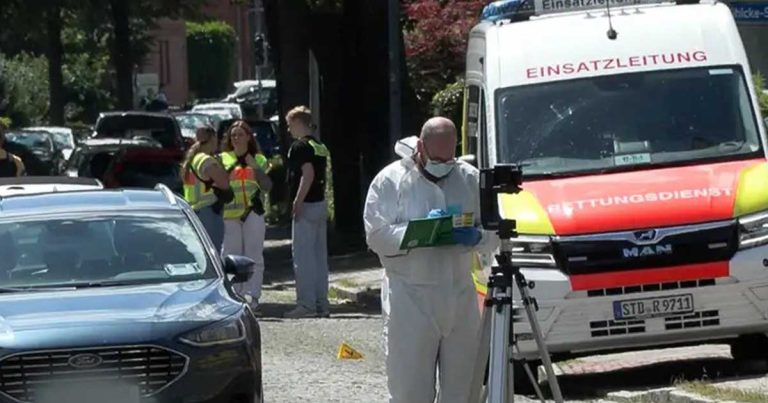
Germany: Six died in Stade Shooting
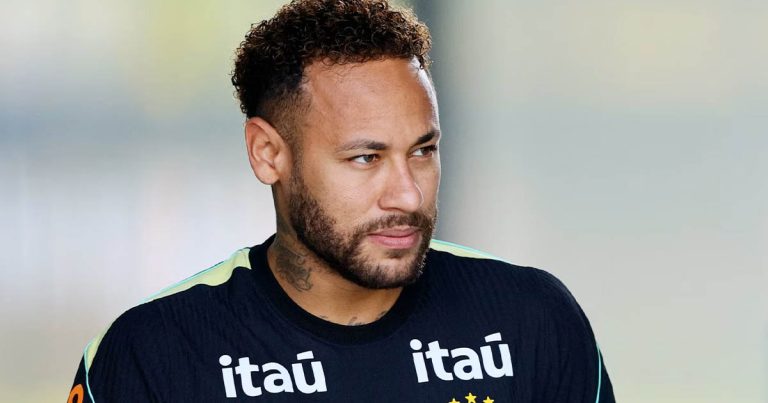
Neymar Gives $250K for Venezuela Earthquake Victims
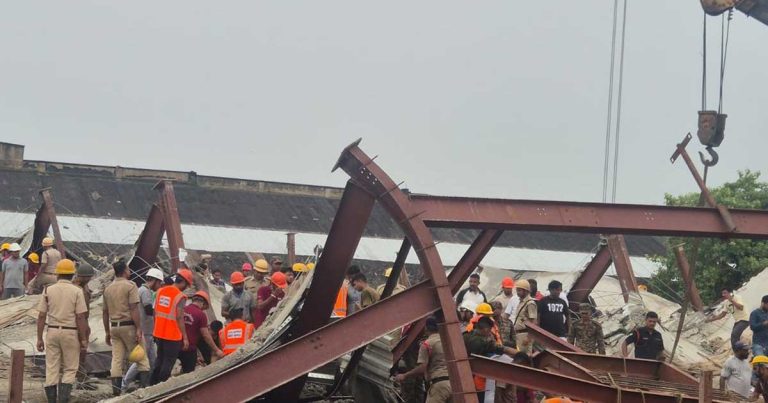
Kolkata Warehouse Collapse Update: 5 Dead, 2 Arrested

Colombia Beat Uzbekistan 3-1 in World Cup Opener

6.7-Magnitude Earthquake Shakes Indonesia’s Sulawesi

Saudi Arabia vs Uruguay Ends 1-1