K.P Oli Habeas Corpus Hearing Continues in Supreme Court
Lawyers challenge arrest process as Supreme Court reviews Oli habeas corpus petition linked to Bhadra incidents


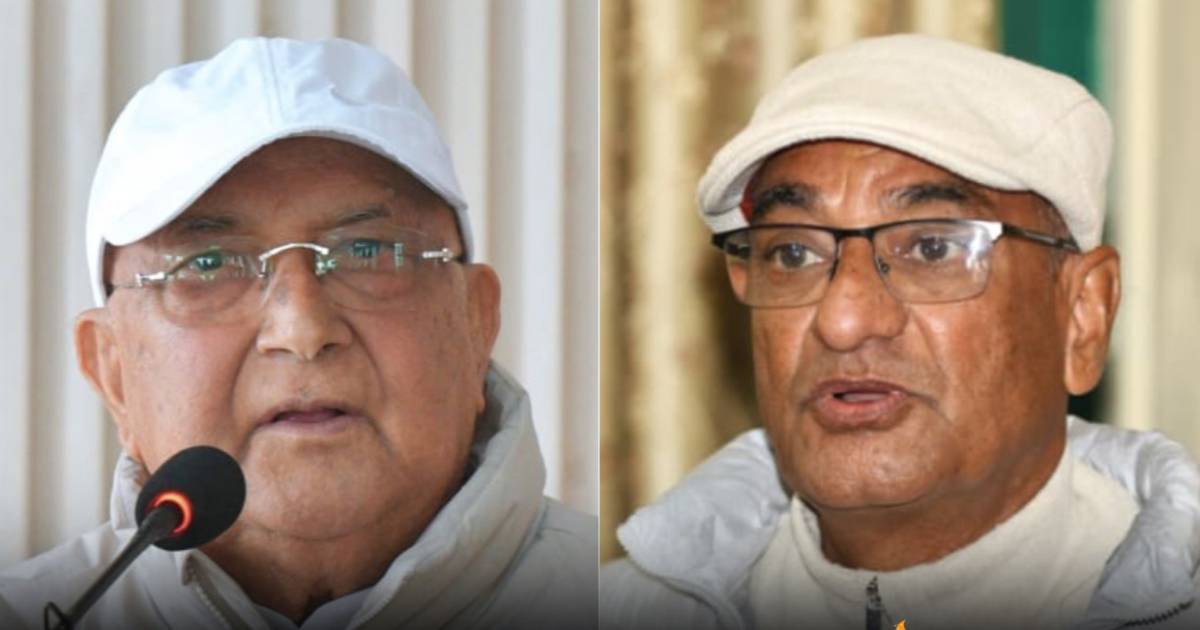
A Supreme Court hearing on the Oli habeas corpus petition challenging the arrest of former Prime Minister KP Sharma Oli and former Home Minister Ramesh Lekhak continued Sunday, with arguments from the petitioners underway.
The bench of Justices Binod Sharma and Sunil Kumar Pokharel began proceedings in the afternoon, with senior advocate Tikaram Bhattarai leading arguments for Oli and Lekhak. Other lawyers followed, extending the hearing, which is unlikely to conclude within the day.
Bhattarai questioned the legality of the arrests, arguing that due legal procedures were not properly followed. He claimed both leaders were detained under political direction rather than an independent investigation. He also said key details, including the basis of complaints and justification for arrest warrants, were not clearly disclosed.
Legal Arguments Focus on Detention Grounds
He further argued that both individuals, given their public status and security arrangements, posed no risk of absconding or destroying evidence. Bhattarai cited past rulings where courts granted release under habeas corpus petitions even after detention extensions by lower courts.
The Oli habeas corpus petition relates to arrests made on Chaitra 14 over incidents from Bhadra 23 and 24. Authorities launched the investigation following recommendations from a probe commission. Police said the arrests were made under provisions of the National Criminal Procedure Code 2017.
Hearing to Continue With Government Response
The hearing has focused on whether the legal conditions for immediate arrest were met. While the petitioners argue the detention lacked transparency, officials maintain that procedures were followed under the law.
Government lawyers are expected to present arguments in the next session. The case has drawn significant public attention due to its political implications and legal sensitivity. The outcome of the Oli habeas corpus petition could set a key precedent on arrest procedures and judicial oversight in Nepal.


Written by Pushpa Tamang
Pushpa Tamang is Managing Editor at Khoj Samachar, leading English and Nepali bureaus, newsroom operations, and editorial standards.
Majid Ansari and Gen Z Arrests Raise Kirtipur Police Questions
Kulman to Energy Minister: Give NEA a Full-Time Chief
Is the Balen Government Heading Toward Authoritarianism?

Santosh Rajbanshi: When Will Farmers Get Fertilizer?
Lima Adhikari Urges EU Air Safety List Review
Bhutanese Refugee Scam: 16 Convicted, 7 Acquitted, 8 Fled
Kulman Ghising: Government Has Energy, Needs Experience