Trump Delays Iran Strike by 10 Days Amid Ongoing U.S.-Iran Talks
Trump postpones a planned U.S. strike on Iran’s energy infrastructure for 10 days to allow negotiations, as Tehran rejects Washington’s ceasefire proposal and submits counter demands.


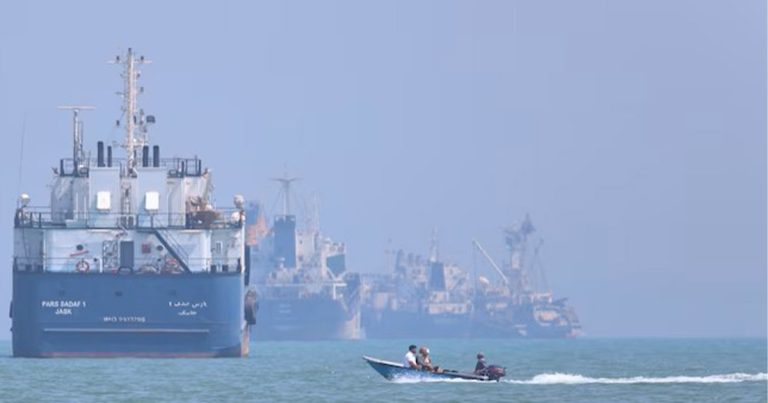
U.S. President Donald Trump has delayed a planned military strike on Iran’s energy infrastructure by up to 10 days to allow more time for ongoing negotiations between Washington and Tehran.
Writing on Truth Social, Trump said discussions with Iran are continuing and described the talks as showing positive signs, prompting the decision to postpone military action.
U.S. Ultimatum and Rising Middle East Tensions
The delay follows a series of warnings issued by the U.S. administration. Trump had earlier given Iran a 48-hour ultimatum to fully reopen the Strait of Hormuz, a critical global oil transit route. He later warned that failure to comply within five days would lead to strikes on Iran’s electricity-generating facilities.
With that deadline nearing, the United States has now extended the timeline, pushing any potential action into early April. Iran has warned that any attack on its energy infrastructure would be met with retaliation targeting key infrastructure across the Middle East, raising concerns about wider regional escalation.
U.S. Ceasefire Proposal to Iran and Tehran’s Counteroffer
Diplomatic efforts are continuing alongside the military pressure. Pakistani officials are reportedly acting as intermediaries to help facilitate a ceasefire. U.S. special envoy Steve Witkoff confirmed that a 15-point proposal has been conveyed to Iran through mediation channels and said there are indications of progress.
According to details reported by Foreign Policy, the U.S. proposal calls on Iran to commit to never developing nuclear weapons, shut down nuclear facilities in Fordow, Natanz, and Isfahan, and hand over enriched uranium to international oversight under the International Atomic Energy Agency (IAEA). It also includes limits on Iran’s ballistic missile program and demands the full reopening of the Strait of Hormuz.
The proposal further urges Iran to end financial and military support to regional groups, including Hezbollah in Lebanon, the Houthis in Yemen, and Hamas in Palestine. In return, Washington has indicated it would lift international sanctions and support Iran’s civilian nuclear program under strict monitoring.
Iran rejected the proposal within 24 hours and submitted a counteroffer. Tehran has demanded guarantees against future U.S. attacks, compensation for previous strikes, and the withdrawal of American forces from parts of the Gulf region. It has also proposed charging transit fees for ships using the Strait of Hormuz.
Additional conditions include halting Israeli strikes against Hezbollah in Lebanon and allowing Iran to continue its missile program without restrictions.
Ongoing U.S.-Iran Talks and Growing Distrust
Despite ongoing talks, Iranian officials remain skeptical. International media reports indicate that Tehran fears the United States could again carry out military action during negotiations, citing past incidents.
That concern has been reinforced by reports that the United States is increasing its military presence in the Middle East. To strengthen confidence in the negotiations, Trump is reportedly considering sending Vice President JD Vance to take part in the talks.
Earlier negotiations held in February under Omani mediation involved senior U.S. representatives, including envoy Steve Witkoff and Jared Kushner. The situation remains highly sensitive, with diplomatic engagement continuing alongside military preparations, and the coming days expected to be critical for regional stability.


Written by Khoj Samachar Editorial Team | News Desk
Editorial team of Khoj Samachar responsible for publishing and managing news content, quality and timely coverage of national and global developments.
Heavy Rain Expected in Himachal Pradesh
Sonam Wangchuk Update: Forced to Hospital, Says Abhijeet Dipke

Attack Was Attempted on Sonam Wangchuk, Says Abhijeet Dipke

Sonam Wangchuk Vows to Survive Hunger Strike Until July 20
US Attacks Iran Again as Fighting Enters Sixth Night
Jordan Shoots Down Eight Iranian Missiles
US House Passes Permanent Daylight Saving Time Bill