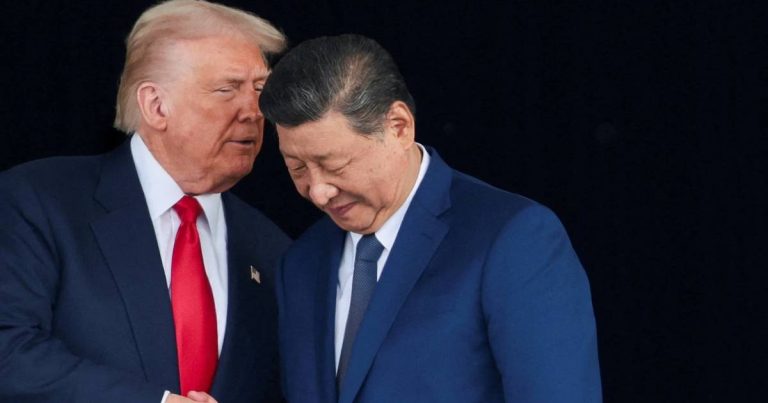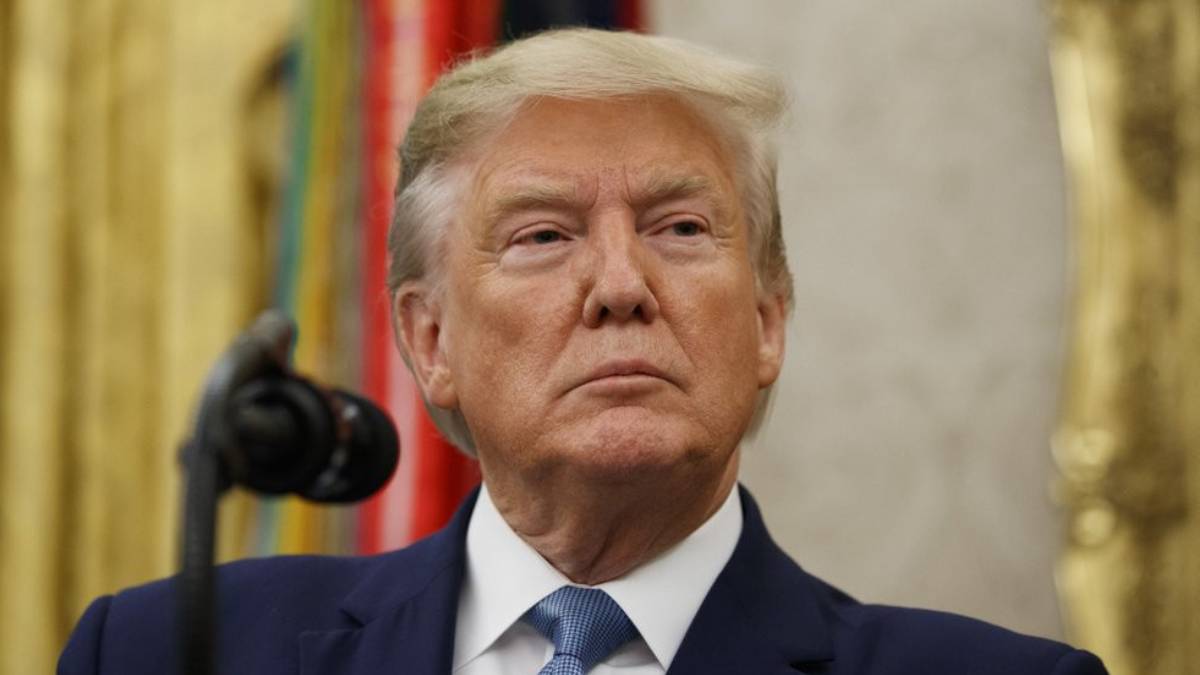
U.S. President Donald Trump has announced plans to impose tariffs of up to 15 percent on imports from key trading partners after the U.S. Supreme Court struck down his previous tariff order in a 6–3 ruling.
Last year on April 2, which he referred to as “Liberation Day,” Trump introduced a 10 percent baseline tariff on all trading partners and higher “reciprocal” tariffs on certain competitor nations. On Friday, the Supreme Court ruled that the authority to impose tariffs and taxes during peacetime rests with Congress.
Although the court has a conservative majority, three Republican-appointed justices joined Democratic-appointed justices in the decision. Chief Justice John Roberts, writing for the majority, stated that during peacetime the power to levy tariffs belongs to the legislative branch and that the executive branch does not have independent authority to impose such duties under normal conditions.
Trump had relied on the International Emergency Economic Powers Act (IEEPA), a law enacted in the 1970s, to justify the earlier tariffs. The court ruled that IEEPA applies to wartime or genuine national emergencies and cannot be used to impose broad trade tariffs in ordinary circumstances.
New Tariffs Announced Under Section 122
Following the ruling, Trump posted on his social media platform, Truth Social, announcing a new tariff plan. He initially reiterated a 10 percent tariff before later stating that the rate would be raised to 15 percent.
According to Reuters, the new measure is being introduced under Section 122 of federal trade law. The provision allows the president to impose tariffs of up to 15 percent for a limited period. However, such tariffs cannot remain in effect for more than 150 days without congressional approval. Reuters reported that no previous president has invoked this authority.
International Reaction and Political Implications
European leaders welcomed the Supreme Court’s decision. French President Emmanuel Macron said the ruling reflected the importance of maintaining a balance of powers in a democratic system. German Chancellor Friedrich Merz said the decision could provide relief to German companies affected by U.S. tariff measures.
Trade analysts have said that securing congressional approval to maintain the 15 percent tariffs beyond the temporary period may be difficult. The ruling has intensified debate in Washington over the limits of presidential authority in trade policy, and Trump has indicated he intends to proceed with his tariff strategy despite the court’s decision.