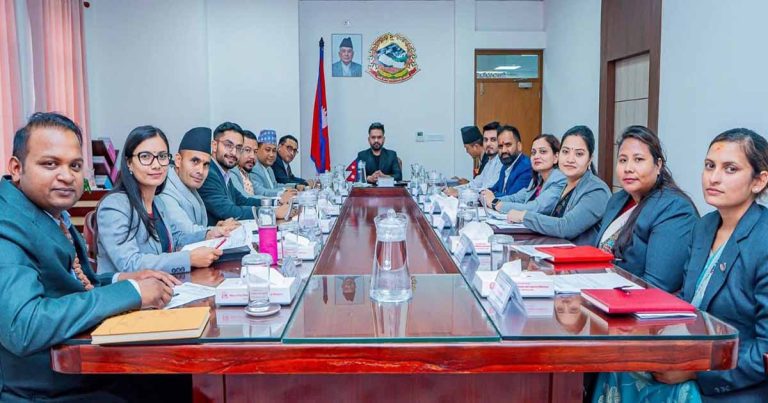
Sharin Tamang Quits Politics After RSP Koshi Convention
After losing the Koshi Province chair election, Sharin Tamang alleged irregularities in the convention process and announced his departure from active politics.


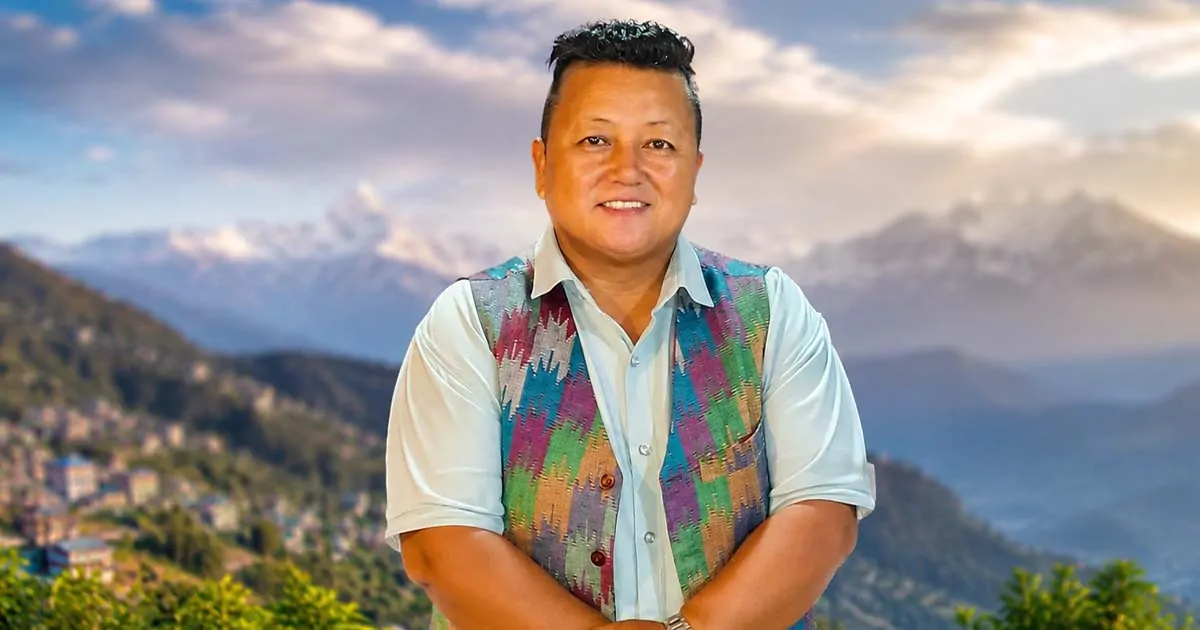
The conclusion of the Rastriya Swatantra Party’s (RSP) Koshi Province convention has brought internal competition, dissatisfaction and questions over the party’s organizational direction into public view. What was expected to be a routine leadership contest has instead highlighted a growing tension between early party builders and newer power centers emerging inside the party structure.
Sharin Tamang, one of the candidates defeated in the election for provincial chairperson, has announced his withdrawal from active politics after raising concerns about the convention process. His statement came shortly after the results were declared, adding a new layer of scrutiny to the party’s ongoing nationwide organizational drive.
Chandra Rai secured victory in the contest, defeating Tamang and three other candidates. Following the announcement of the results, Tamang shared materials on social media alleging irregularities during the convention and questioning the integrity of the process. His allegations have not been independently verified, and the party leadership has yet to issue a detailed public response.
For many long-time party members in eastern Nepal, Tamang’s departure carries symbolic weight.
He is widely regarded as one of the early organizers who worked to establish the party’s presence in the region when RSP was still struggling to build local structures. Party workers familiar with those early efforts say he remained active across multiple districts, helping expand the organization during a period when established parties such as the Nepali Congress, CPN-UML and CPN (Maoist Centre) maintained strong political networks.
The challenge was even greater in eastern Nepal, where independent political figure Harka Sampang had already built considerable public influence. Several party members say organization-building during that period depended heavily on personal commitment and volunteer efforts rather than institutional resources.
According to leaders associated with the party, Tamang invested significant time and effort in expanding RSP’s network despite having limited financial means.
Leadership Battles Reach the Organization’s Base
The dispute emerging from the Koshi convention comes as RSP conducts organizational conventions across the country. In several districts, leadership contests have become increasingly competitive, with disagreements and factional tensions surfacing during the selection process.
Some district conventions have reportedly faced delays and procedural disputes, reflecting the pressures that often accompany rapid organizational expansion.
Within the party, discussions have also intensified over the influence of different groups competing to shape future leadership structures. Some leaders claim that individuals aligned with Kathmandu Metropolitan City Mayor Balen Shah and those considered close to party president Ravi Lamichhane are both seeking to strengthen their influence during the ongoing convention cycle.
The party leadership has not publicly endorsed or confirmed such characterizations.
Old Guard and New Entrants
RSP has expanded its organizational presence across most districts of Nepal within just a few years. That rapid growth is now producing a familiar political challenge: balancing the expectations of founding activists with those of leaders and members who joined later.
Some long-time party workers argue that individuals who helped establish local organizations in the party’s early days increasingly feel sidelined as newer figures gain prominence in leadership contests.
They point to the period following the Gen-Z political wave, when the party experienced fresh momentum and attracted entrants from multiple political backgrounds. In several districts, they say, the struggle is no longer about building the organization but about determining who controls it.
Bhupadev Shah, the party’s general secretary and a figure often viewed as close to Balen Shah, has been visibly active in organizational expansion and convention management in various districts. His involvement has drawn attention as debates over internal alignment and influence continue to grow.
A Test for Party Management
Political analysts note that leadership competition tends to intensify once a political party moves from an expansion phase to a consolidation phase. As organizations become larger and more influential, rival centers of power naturally emerge.
The developments following the Koshi Province convention suggest RSP may be entering that stage.
The immediate question is not only whether Tamang’s allegations are addressed but whether the party can manage growing expectations among different groups competing for leadership positions. How the leadership responds to dissatisfaction raised publicly by its own long-time organizers could shape perceptions of internal democracy and organizational unity in the months ahead.
For a party that built much of its appeal around promises of political renewal, the challenge now extends beyond electoral success. It must also convince its own members that space remains for those who helped build the organization from the beginning.

Written by Pushpa Tamang
Pushpa Tamang is Managing Editor at Khoj Samachar, leading English and Nepali bureaus, newsroom operations, and editorial standards.
Gyanendra Shahi Comments on Nagdhunga Tunnel Dispute
What Did Gyanendra Shahi Say to His Trolls?
Sobita Gautam Leads Nepal’s 166-Bill Legal Reform Drive
Bishnu Paudel Released Without Bail by Special Court
Industry Ministry Recovers Rs 467 Million in Unpaid Rent

Rekha Thapa Criticises Taxes, Says ‘Swarnim Nepal’
Supreme Court Orders Immediate Release of Former UML MP Koiri