Nepal House of Representatives Election 2026: Campaign Period Ends, Silence Period Begins Ahead of Vote
Nepal’s House of Representatives election campaign officially ends at midnight as the Election Commission enforces a nationwide silence period ahead of Thursday’s vote. Strict restrictions on political activities, media content, and digital campaigning will remain in place until polling concludes.


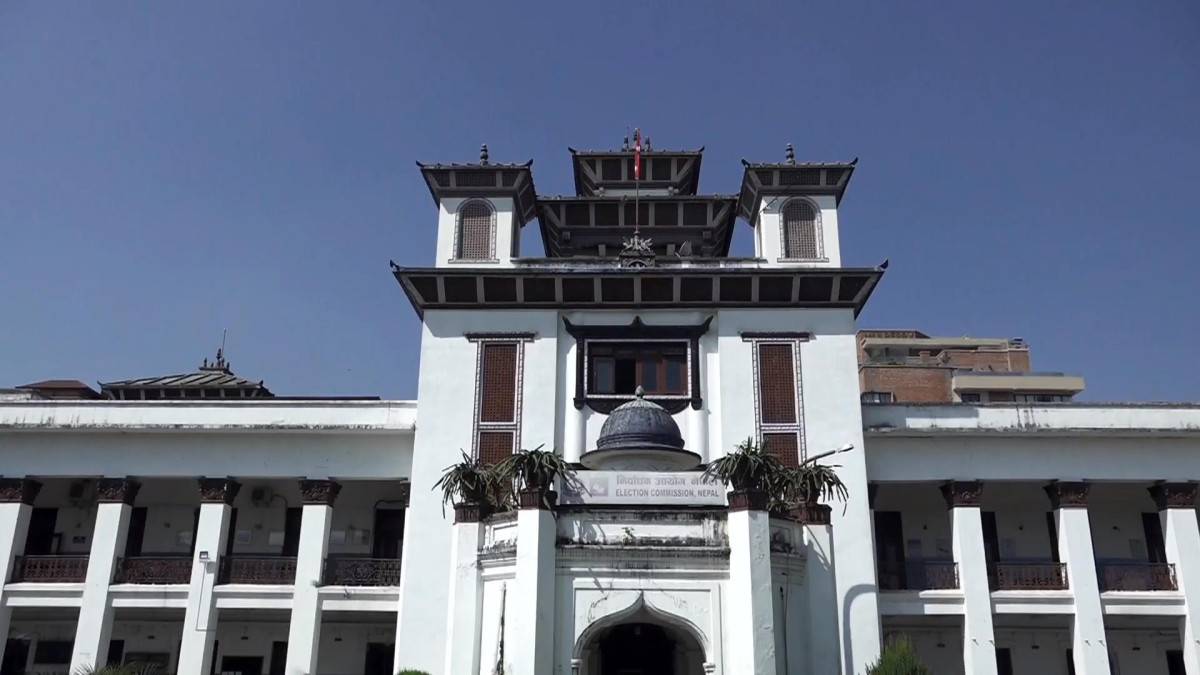
Kathmandu — The official campaign period for Nepal’s upcoming House of Representatives election will end at midnight tonight, after which the legally mandated silence period will come into effect, the Election Commission announced.
Political parties and candidates were allowed to campaign from Falgun 4 until 12:00 a.m. tonight. Once the deadline passes, all campaign-related activities must stop and will remain prohibited until voting is completed.
Under Nepal’s election code of conduct, no rallies, speeches, meetings, public discussions, campaign reviews, or any activity intended to influence voters are permitted during the silence period. The Commission has also barred candidates and parties from soliciting votes, distributing promotional materials, or engaging in any action designed to affect the electoral process.
Acting Chief Election Commissioner Ram Prasad Bhandari said strict legal action will be taken against violations during the silence period. If financial transactions or other efforts aimed at influencing voters are detected, a candidate’s nomination may be canceled and the individual could be prohibited from participating in any election process for up to six years.
The Election Commission stated that it will enforce a zero-tolerance policy toward activities that compromise the integrity of the election. The silence period is intended to ensure that voters can make independent and informed decisions in a calm and secure environment.
Election Code, Media Restrictions and Enforcement Measures
During this period, authorities will focus on final election preparations, including polling station setup, voter queue management, and security assessments. The Commission noted that silence periods lasting between 24 and 72 hours are common practice in several countries.
According to the code of conduct, all campaign materials and party symbols displayed within a 300-meter radius of polling centers must be removed before the silence period begins. The use of SMS, Facebook, Viber, and other social media platforms to request votes or promote candidates is strictly prohibited. Media outlets are also barred from publishing or broadcasting content that could favor any candidate or political party during this time.
Candidates, Voter Data and Nationwide Election Preparations
The House of Representatives election, scheduled for Thursday, will be held under both the first-past-the-post (direct) and proportional representation systems.
Under the direct electoral system, 65 political parties will compete under 61 election symbols. A total of 3,406 candidates are contesting in this category, including 3,017 men, 388 women, and one candidate from the “other” category.
Under the proportional representation system, 3,135 candidates are competing, including 1,363 men and 1,772 women. Voting will take place for 165 constituencies under the direct system and 110 seats under the proportional representation system.
A total of 18,903,689 voters are eligible to cast ballots. Of them, 9,663,358 are men, 9,240,131 are women, and 200 are registered under the “other” category. Additionally, 186,142 temporary voters have been registered.
Nationwide, 10,967 polling locations and 23,112 polling centers have been designated. An additional 143 temporary polling sites have been established. For election security, 79,727 personnel from the Nepali Army, 75,797 from Nepal Police, 34,567 from the Armed Police Force, 1,921 from the National Investigation Department, and 149,090 election security personnel have been deployed.
Approximately 215,000 staff members will manage the election process. The Election Commission has printed a total of 42,251,200 ballot papers for both electoral systems. The election will be monitored by four international observer organizations and 39 national observer groups.
With the campaign period ending, the focus now shifts to ensuring a peaceful, secure, and orderly voting process across the country.

Written by Khoj Samachar Editorial Team | News Desk
Editorial team of Khoj Samachar responsible for publishing and managing news content, quality and timely coverage of national and global developments.
Nepal Moves to Standardise Burn Treatment Nationwide
Nepal to Impose VAT on Electricity Bills from Tomorrow
Nepal’s Free Treatment Portal Serves Over 2,200 in 90 Days

Minister Nisha Mehta Pushes Burn Care Across Seven Provinces
Nepal Supreme Court Opens Government Ads to Private Media
Full LPG Cylinders to Be Sold After Minister Yadav’s Order
Khawalung School Video: What Happened Between Teacher and Student?