Mahabir Pun Slams Nepotism in Nepal Politics, Warns Governance Weakening Risk
Lawmaker urges parties to end favoritism as concerns grow over institutional decay and unequal resource distribution


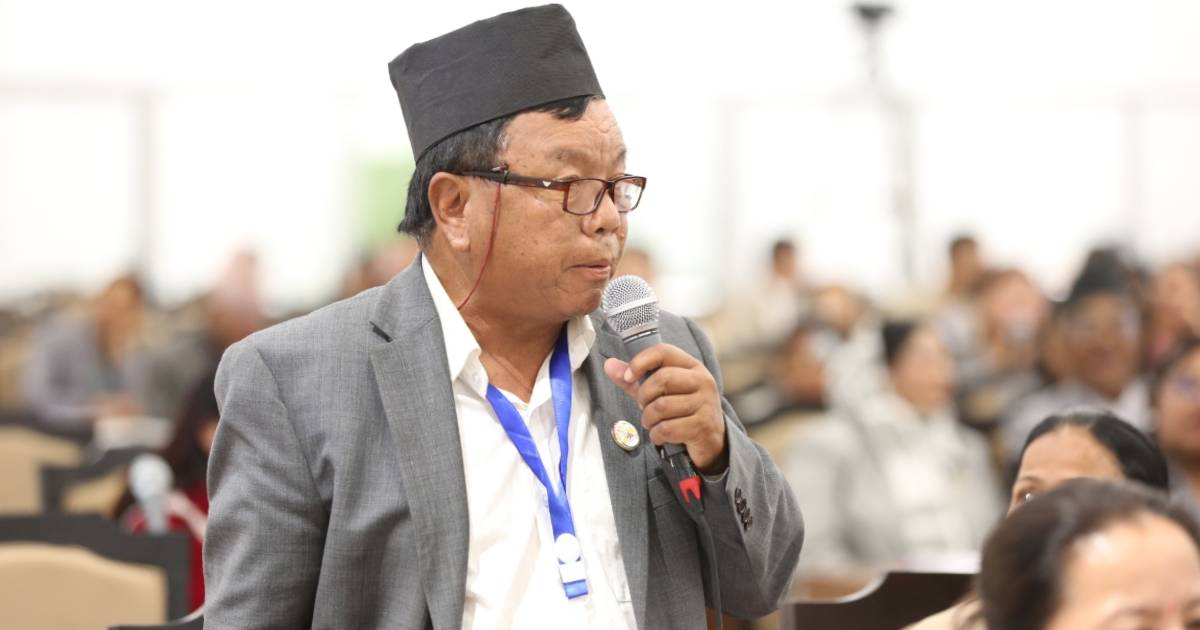
Mahabir Pun has sharply criticized entrenched nepotism in Nepal’s political system, warning that such practices are weakening governance and public trust. His remarks highlight growing concern over systemic favoritism within state institutions.
Speaking at Wednesday’s session of the House of Representatives Nepal, Pun called on the government and political parties to dismantle long-standing practices of nepotism, patronage, and sycophancy.
Lawmaker Raises Alarm Over Deep-Rooted Practices
Pun argued that tendencies such as nepotism, favoritism, and political patronage have been embedded in Nepal’s governance since early state formation. He described these trends as a “virus” that continues to influence decision-making at the highest levels.
He urged political leaders to commit to ethical standards, specifically calling for an end to appointing relatives to public positions. “In the coming days, we should not hear that ministers or lawmakers are appointing their own relatives,” he said.
Call for Political Accountability and Reform
The lawmaker emphasized that reform must begin within political parties themselves. Without internal discipline and transparency, he warned, institutional integrity would continue to erode.
His remarks reflect broader public frustration over perceived inequality in opportunities and access to state resources, an issue that has repeatedly surfaced in national debates.
Gulmi Service Gap Sparks Additional Concern
In a separate issue, Pun raised concerns about the lack of services in Gulmi District, despite its designation as a Himalayan district in 2019. He noted that residents have yet to receive the benefits typically granted to such regions, including infrastructure and social support programs.
Government Urged to Deliver Promised Benefits
Pun called on the government to immediately provide the facilities guaranteed to Himalayan districts, stressing that delays undermine public confidence. He said the gap between policy decisions and implementation reflects deeper governance challenges — the same issues he linked to entrenched political favoritism.


Written by Roshani Shrestha Pathak
Roshani Shrestha Pathak is the English Bureau Chief at Khoj Samachar, overseeing English-language editorial operations and newsroom coordination.
What Did Gyanendra Shahi Say to His Trolls?
Sobita Gautam Leads Nepal’s 166-Bill Legal Reform Drive
Bishnu Paudel Released Without Bail by Special Court
Industry Ministry Recovers Rs 467 Million in Unpaid Rent

Rekha Thapa Criticises Taxes, Says ‘Swarnim Nepal’
Supreme Court Orders Immediate Release of Former UML MP Koiri
Government Restores Personal Secretary Facility for Lawmakers